


Introduction — Wandering Athens’ Varvakios Central Market: A Food Lover’s Guide
Getting lost in the lively maze of Athens’ central market, the Varvakios Agora, is a full-on sensory plunge: beds of crushed ice clinking under silvery fish, pyramids of bright citrus, spice stalls sending out the warm scent of cumin and cinnamon, and Greek voices that set the pace of the bargaining. Nestled between Athinas Street and Monastiraki Square, the market plays a unique role in Athenian daily life and is a must-see for any food-curious traveler. Every aisle has a story tied to the Aegean Sea, the Peloponnese mountains, the islands and the country’s orchards. Varvakios is more than a market: it’s a modern agora where producers, cooks, restaurateurs and locals meet, where Byzantine Athens meets Mediterranean present-day life.
In this introduction I invite you to ready your senses: your eyes for dawn colors and light, your nose for the aroma of grilled fish, kotelettas and fresh olive oil, your hands to touch fish, cheeses and herbs, and your curiosity to haggle, taste and ask questions. Varvakios thrives early: the first fish deliveries often arrive before dawn, while butchers and charcutiers set up their stalls at the official opening. By midday the crowd compacts and the market becomes a forum-style scene where you can eat on the spot or buy to take home. At nightfall some stalls close while others leave behind the scent of traditional Greek cooking, and the nearby restaurants take over.
This article has a twofold aim: to give you the keys to stroll Varvakios with confidence — addresses, opening hours, price benchmarks — and to offer step-by-step culinary ideas to turn a walk into a genuine taste adventure. You’ll find detailed descriptions of the essential areas and stalls, examples of products (prices shown in euros), practical buying-and-eating tips, recommended nearby restaurants and tavernas, plus local anecdotes that make this market unique. Whether you love fish, cured meats, Greek cheeses like feta or mizithra, or simply want to watch the daily choreography of a Mediterranean market, this guide will help you experience Varvakios like a seasoned wanderer.
 Click here to discover the ultimate food tour
History and atmosphere of the Varvakios central market
Athens’ central market, known as Varvakios Agora (Βαρβάκειος Αγορά), is named after Ioannis Varvakis, a Pontic Greek benefactor whose fortune helped create a hospice and a market in the 19th century. Located on Athinas Street (Athinas 42, Athens 105 51), it grew around the historic core of the Byzantine and Ottoman market. Today the market’s architecture mixes metal market halls and narrow lanes lined with small shops: an urban patchwork where a long trading tradition continues. Its proximity to landmarks like Monastiraki Square and the Monastiraki metro station reinforces its role as a central stop for visitors.
The vibe shifts with the hours: dawn (between 04:00 and 07:00) is for professional trade — fishermen, restaurateurs and wholesalers — amidst carts, crates and intense comings and goings. From 08:00 the market opens to the public. The meat and fish stalls are arranged in distinct sections: the fishmongers along Athinas Avenue, butcher shops down the inner lanes, and delicatessens and fruit stalls on the sides. Scents mingle into an unmistakable perfume: olive oil, citrus peels, fresh herbs, fish and the smoky notes of nearby tavern grills.
The place is also a social microcosm: regulars — small taverna owners, visiting chefs, elderly women picking up their feta and olives — gather to swap news. Varvakios is often praised in guidebooks for its authenticity. It has also adapted to modern expectations: stricter hygiene, more structured hours and rising tourist footfall. Despite that, the market keeps its communal spirit. Sellers will call out to you in Greek, but many understand basic English, and some speak French or German, especially near the more tourist-heavy spots.
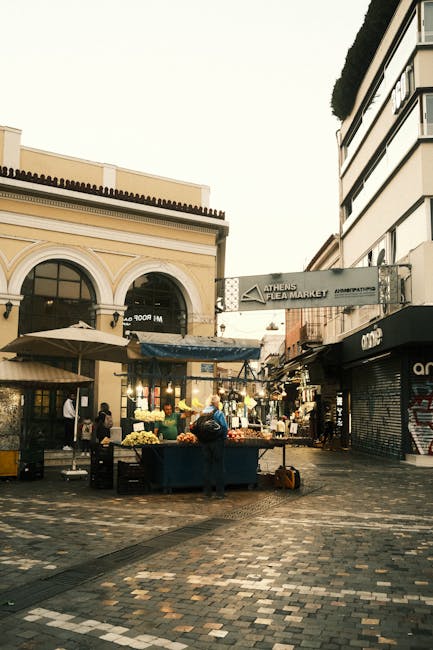
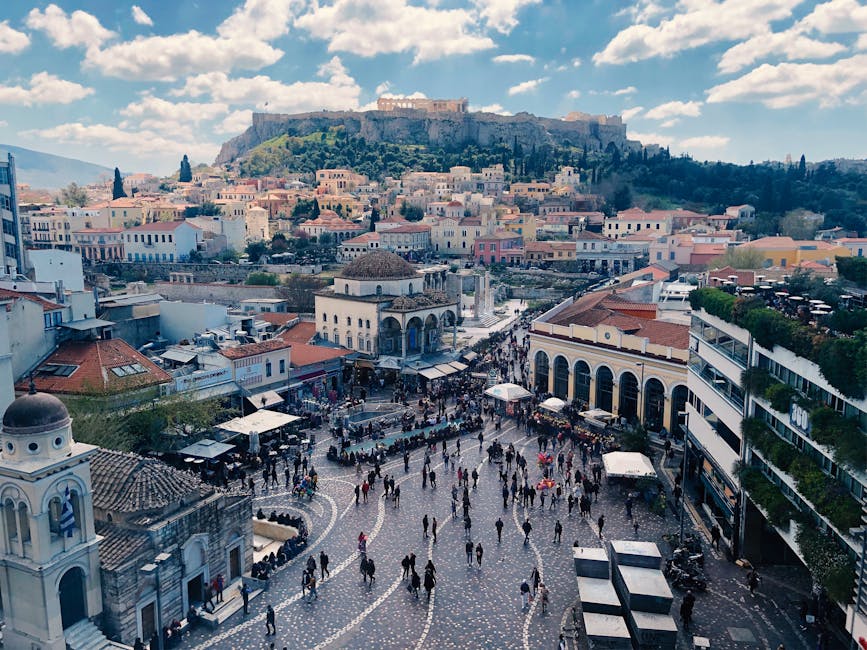
Practical and historical points: Varvakios Agora sits between Athinas and Evripidou streets, a few minutes’ walk from Monastiraki Square and the shopping street Ermou. Nearby you’ll find the Monastiraki flea market and the Byzantine church of St. Nicholas. To get your bearings, follow the smell of grilled food or the sight of fish on ice — often the best GPS for a food wanderer.
Click here to book your private Acropolis and Plaka tour
Must-see stalls and precise addresses
Among the many stalls at the central market, some spots have become iconic. Here’s a selection of places and types of stalls you shouldn’t miss, with addresses and clear cues to help you find them while you wander.
-
Main fish market — Varvakios Fish Market
Address: Athinas 42, Varvakios Agora, Athens 105 51.
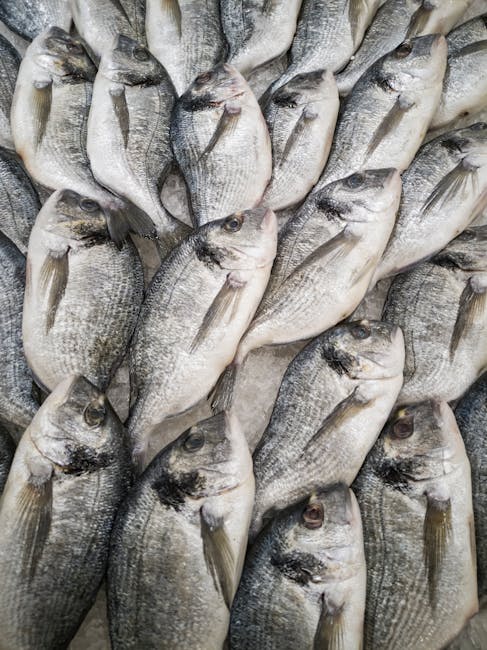
Description: running along Athinas Street, this area hosts several fishmongers with rows of sea bream, European sea bass and octopus freshly landed from the Aegean. The best stalls heap crushed ice to keep the catch cold. Busy hours: 04:00–10:30 for professionals, 08:00–12:00 for casual visitors. Indicative prices: whole sea bream 8–15 €/kg depending on season, sea bass 10–20 €/kg, octopus 12–18 €/kg. -
Traditional butcher shops
Address: inner market lanes (Evripidou entrance), several butchers on Mitropoleos side lanes.
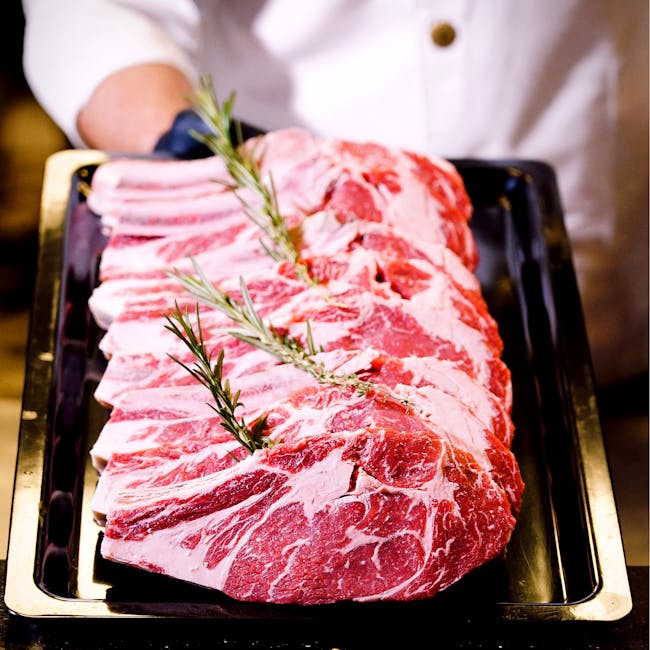
Description: lamb chops (arni), pork for souvlaki, bifteki (meat patties) and local cured meats. Butchers often offer boneless cuts and cuts tailored for tavernas. Hours: 07:00–17:00, closed Sunday. Indicative prices: lamb chops 14–22 €/kg, minced meat for bifteki 7–12 €/kg. -
Cheese shops and dairy products
Address: north aisles of the market, near the small interior chapel.
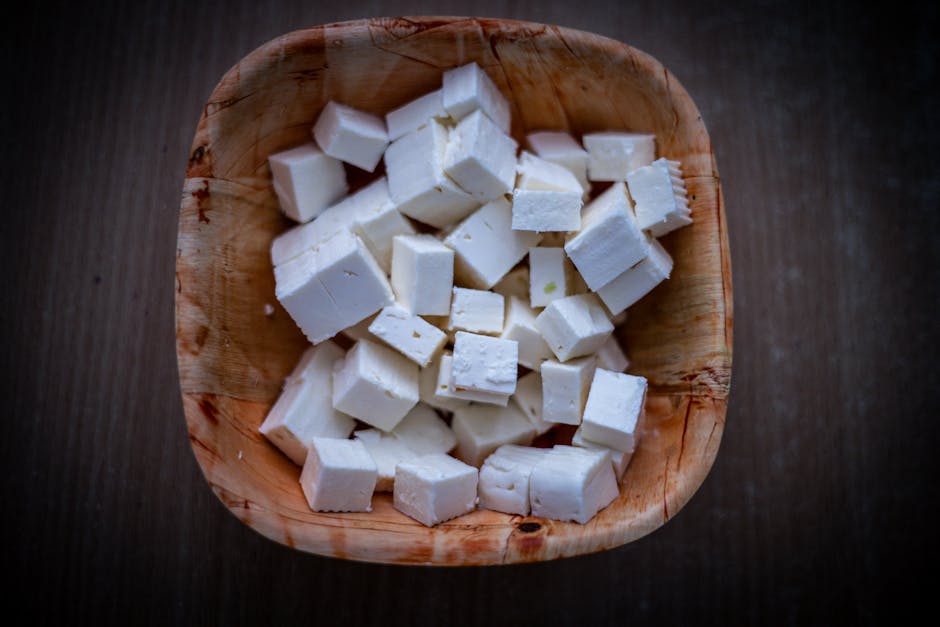
Description: fine PDO feta, graviera, kasseri, fresh mizithra for desserts or cooking. You’ll also find whole yogurts and anthotyro. Hours: 08:00–17:00. Indicative prices: PDO feta 6–12 €/kg depending on quality, fresh mizithra 8–14 €/kg. -
Olive and oil stalls
Address: east aisle, near the exit onto Athinas Street.
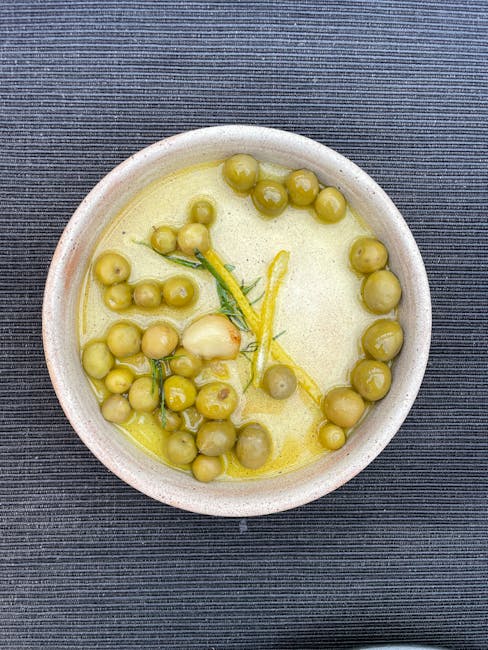
Description: jars of Kalamata olives, green stuffed olives, extra virgin olive oil from Crete, the Peloponnese and Lesbos. Tip: taste before you buy and ask for a small spoon to sample the oil. Indicative prices: olives 4–10 €/kg, extra virgin olive oil 8–25 €/liter depending on origin and quality. -
Citrus and seasonal fruit stall
Address: Athinas side stalls, south corner.
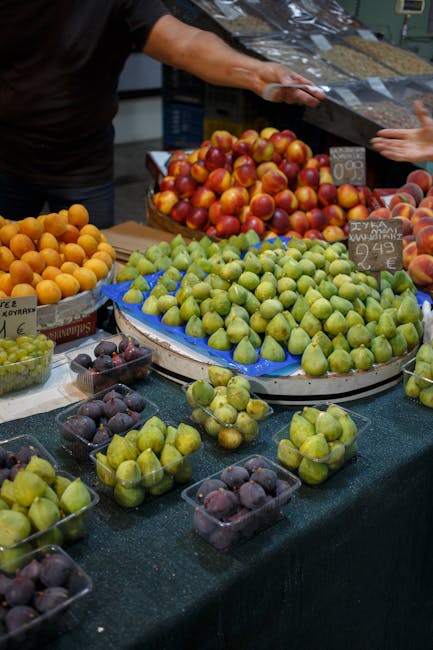
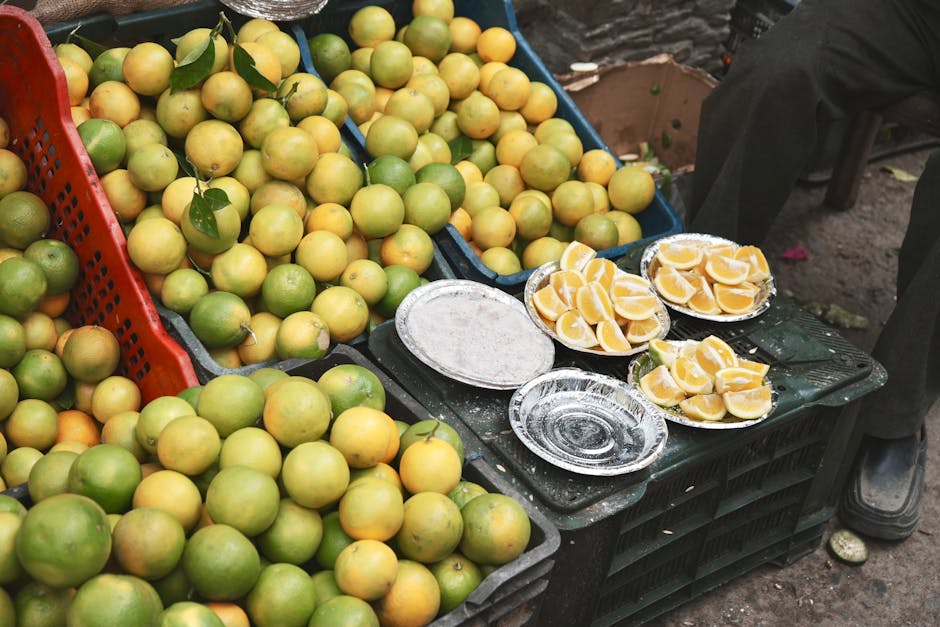
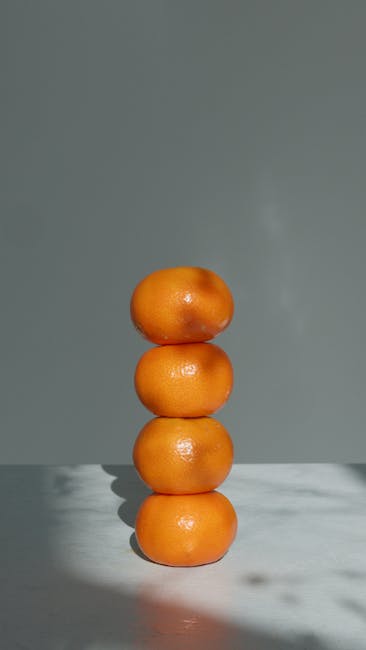
Description: mountains of lemons, blood oranges, mandarins and summer exotics. Sellers often note origins (Nafplio, Chios, Kalamata). Indicative prices: oranges 1–2 €/kg in season, fresh figs 3–6 €/kg depending on variety. -
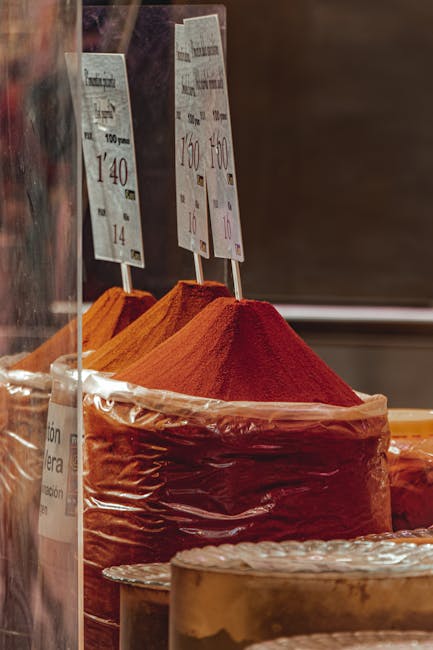
Spices and dried herbs
Address: southwest aisle, near the butcher shops.
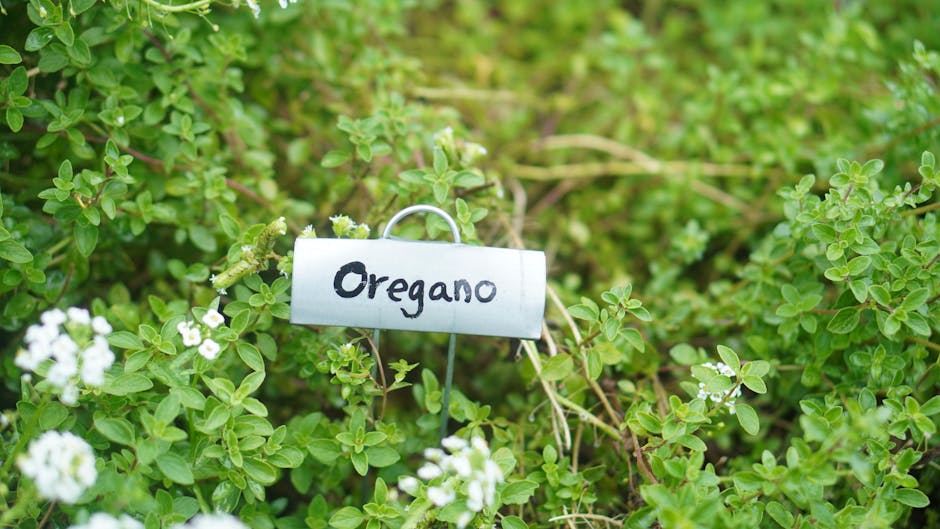
Description: mountain thyme, wild oregano, sumac, zaatar and seasoning blends for souvlaki. You’ll also find mixes for roast chicken and for dolmades. Indicative prices: dried herbs 3–8 €/100 g, artisan blends 5–12 €/100 g.
Each stall has its own rhythm. To spot a good vendor: look for local customers, Greek chatter and a clean stall. Don’t hesitate to ask « πόσο κοστίζει; » (poso kostizei? — how much?) or « μπορώ να δοκιμάσω; » (mporo na dokimaso? — can I taste?). Exchanges are usually friendly and sampling is generally allowed for cheeses and oils.
Food, tastings and prices: how to turn your visit into a feast
Varvakios isn’t just a place to shop — it’s a culinary testing ground. From street food to rare ingredients, here’s how to structure your tastings and what it will realistically cost.
Start with a Greek coffee — ellinikó kafé — at one of the small kiosks near the market. Practical example: Kafeneio “Ta Flevra” (a typical local café) located on Athinas Street, just off the market’s south exit; typical hours 07:00–22:00; price: Greek espresso 1.20–2.50 €. Then head to a fish stall that grills on-site. Many fishmongers work with small embers or supply nearby tavernas that cook the fish on a plancha.
Concrete tasting examples:
– Chicken or pork souvlaki bought from a nearby taverna: 2.50–4.50 € per skewer.
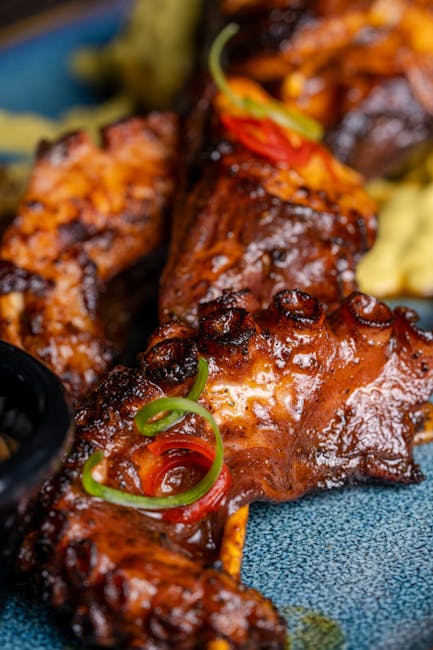
– Portion of grilled octopus at a fish stall/taverna: 8–15 €.
– Plate of mezzes (tzatziki, taramosalata, dolmades) to share: 6–12 € per person depending on selection.
– Piece of baklava from a nearby pastry shop: 1.50–3.00 €.
If you want to cook with what you buy, some simple ideas:
– Buy 1 kg of sea bream (8–12 €) and 500 g of new potatoes (1–2 €), drizzle with extra virgin olive oil (8–15 €/l), sprinkle mountain oregano (3–6 €/100 g): a meal for 2–4 people for around 15–25 € all-in.
– Make a traditional Greek salad with PDO feta (6–12 €/kg), tomatoes (1–2 €/kg), cucumber (1 €/kg), Kalamata olives (4–8 €/kg), olive oil (8–20 €/l): a dish for 3–4 people for 10–15 €.
Tasting tips on-site: arrive early to catch the best hot offers (08:00–10:30). Many stalls take cash only (bring euros), but some tavernas nearby accept cards. If you buy fish to cook immediately, ask the seller if they can clean and fillet it (often a service priced 1–3 €). When buying in bulk, haggling is common: for quantities of 5 kg or more you can often negotiate a 5–15% discount.
Click here to book a cooking class with a market visit
Click here to learn to cook like a Greek in the heart of Athens
Click here to discover street food on a gastronomic tour
Local practical tips for strolling and shopping like an Athenian
To make the most of Varvakios, a few local rules and tricks will help you avoid pitfalls and maximize your experience. Here’s a detailed practical guide for the food wanderer.
Opening hours and days: Varvakios Agora is generally open Monday to Saturday; most stalls operate from 07:00 to 17:00. On Sunday most shops are closed, though some small tavernas or cafés around Monastiraki may stay open. Fishmongers start very early (deliveries between 03:00 and 06:00), while spice, fruit and cheese stalls settle into a steady rhythm around 08:00.
Getting around: wear comfortable shoes and bring a backpack or an insulated bag if you plan to bring home fresh products. Aisles can be slippery due to ice and water, especially in the fish area. Strollers and large shopping carts are hard to maneuver during peak hours. Nearest metro stations: Monastiraki (lines 1 and 3) and Omonia (lines 1 and 2) — easy to reach from anywhere in Athens.
Language and etiquette: learning a few basic Greek words smooths interactions and wins smiles: good morning (kalimera), thank you (efcharistó), how much (poso kostizei), please (parakalo). Sellers appreciate politeness and will often reply with a bit of friendly chat. Avoid touching displayed goods without asking, especially cheeses and meats.
Payment and tipping: bring cash in euros for most purchases; some stalls accept cards for larger amounts but not always for small buys. Tipping isn’t required in a market, but leaving small change (10–50 cents) after a helpful service is appreciated. In tavernas a 5–10% tip is common if service was good.
Safety and hygiene: the market is generally safe during the day, but keep an eye on personal belongings as crowds can attract pickpockets. For food hygiene, favor stalls that keep products on ice, wear gloves when handling meat or fish, and have a steady local clientele — often a sign of quality.
Packing and transporting purchases: to carry fresh items, consider:
– An insulated bag or foldable cooler.
– Reusable bags for fruits, vegetables and spices.
– If you’re staying in an apartment, ask the seller if they can vacuum-seal items (sometimes offered for a small fee, 2–6 €) to extend freshness.
Complementary strolls: after your visit, extend the wander to Monastiraki Square, the pedestrian shopping street Ermou, and walk up to the Ancient Agora (Roman Agora, Adrianou Street 24, Athens 105 55) to contrast the contemporary market with Athens’ ancient memory. These walks are perfect for digesting your tastings and discovering contrasting urban views.
[[IMAGE:Monastiraki flea market streets early morning]]
Practical summary
- Main address: Varvakios Agora, Athinas 42, Athens 105 51, Greece.
- Typical hours: Monday–Saturday 07:00–17:00 (fishmongers earlier, around 04:00–10:30).
- Access: Monastiraki or Omonia metro, or taxi from Syntagma (5–10 minutes depending on traffic).
- Payment: cash strongly recommended, some larger stalls accept cards.
- Price benchmarks: sea bream 8–15 €/kg, sea bass 10–20 €/kg, octopus 12–18 €/kg, feta 6–12 €/kg, olive oil 8–25 €/l, souvlaki 2.50–4.50 €.
Conclusion — Taking the market’s spirit home with you
Strolling Athens’ Varvakios central market is much more than a series of purchases: it’s meeting a place, its seasons and its people. Between Athinas Street and the inner lanes lined with fishmongers, butchers, cheese shops and grocers, each stall tells a chapter of Greek gastronomy. Armed with a little local vocabulary, an insulated bag and a curious appetite, you’ll turn an ordinary visit into an unforgettable sensory and cultural experience. The market offers high-quality products at reasonable prices, and the chance to eat simple, typical dishes on the spot — from grilled octopus to Greek salad and a takeaway souvlaki.
Beyond products and prices, it’s the small interactions that leave the biggest impression: a butcher advising the ideal cut for a stew, an olive seller telling you about her latest harvest, or a fishmonger preparing your sea bream with a flourish of oregano. Take the time for these conversations: they’ll root you in local life and let you bring home not just flavors, but stories.
Finally, visit Varvakios with awareness. Respect hygiene rules, the workers and fellow visitors, use cash and watch out for slippery aisles to ensure a successful wander. To extend the experience, head to Monastiraki Square, stroll up to the Roman Agora or browse Ermou Street to pair your culinary discoveries with Athens’ historic panoramas.
Whether you’re a solo traveler, a foodie couple or a curious family, the central market of Athens offers an authentic immersion into Greek food and culture. Take your time, taste, ask, share — and let Varvakios reveal its finest flavors.
Click here to join an authentic Athens food tour