


Introduction: 48 Hours to Catch the Soul of Athens
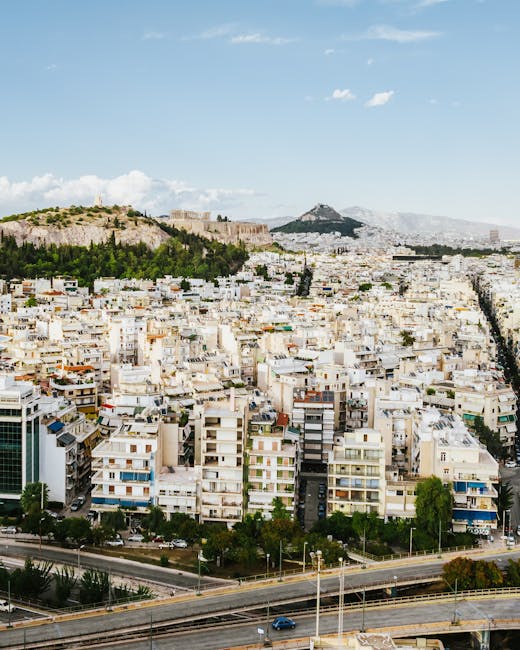
Athens is a city where time layers itself: ancient ruins sit side by side with modern cafés, markets, colorful lanes and a nightlife that almost never sleeps. In 48 hours you won’t see everything — and that’s a good thing: Athens deserves time to be savored, to be wandered through, and to invite a return visit. Still, with a well-planned itinerary you can embrace the essentials: the Acropolis, the top museums and some lesser‑visited neighborhoods that reveal another side of the Greek capital.
This article lays out a detailed 48‑hour plan: must‑see visits, exact addresses, opening hours, prices, immersive descriptions for each stop, practical tips (transport, safety, timing) and suggestions for the best photo viewpoints or tasty breaks. We’ll mix iconic monuments — the Acropolis and the Parthenon, the Acropolis Museum, the Ancient Agora — with more local or secret neighborhoods like Anafiotika, Mets and Kerameikos, plus experiences (sunset from Lycabettus, a morning wander through the central market). The goal isn’t just to tick boxes, but to feel the city: the voices, the smell of olive oil and frappé coffee, the golden light on the marble, the alleys where time seems suspended.
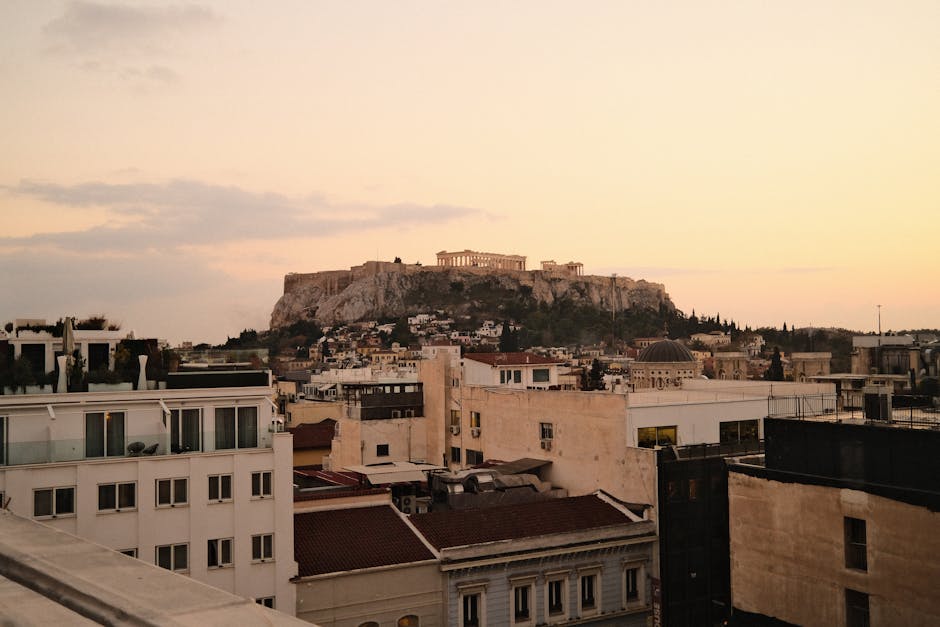
I’ll also give you exact practical info: full addresses (for Google Maps), prices in euros as updated at time of writing, typical opening hours, and local tips to avoid crowds or save time (skip‑the‑line tickets, early slots, site combos). Reference images are included as markers 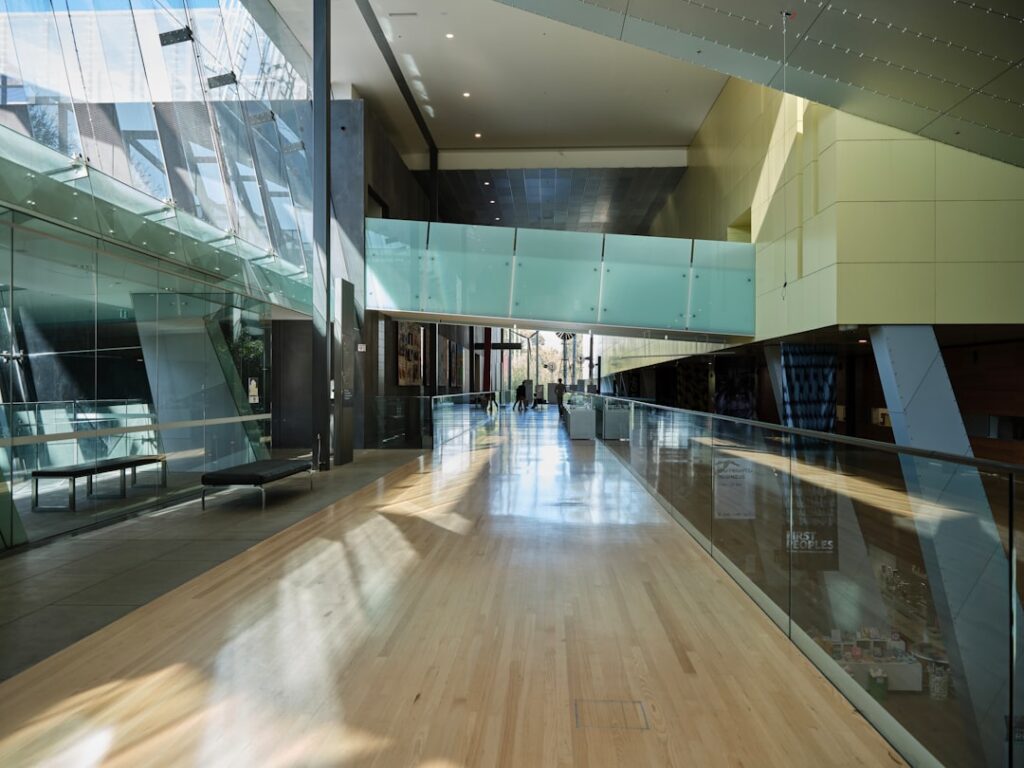 to help you visualize highlights: sunrise over the Acropolis, the Acropolis Museum’s panoramic terrace, Anafiotika’s white lanes, a fresh fish stall at the central market. Finally, each step contains recommendations for where to eat, have a drink or extend the evening — from street souvlaki to fine dining, frappé coffee to the famous loukoumades.
Day 1 — Morning: The Acropolis, the Parthenon and the Acropolis Museum
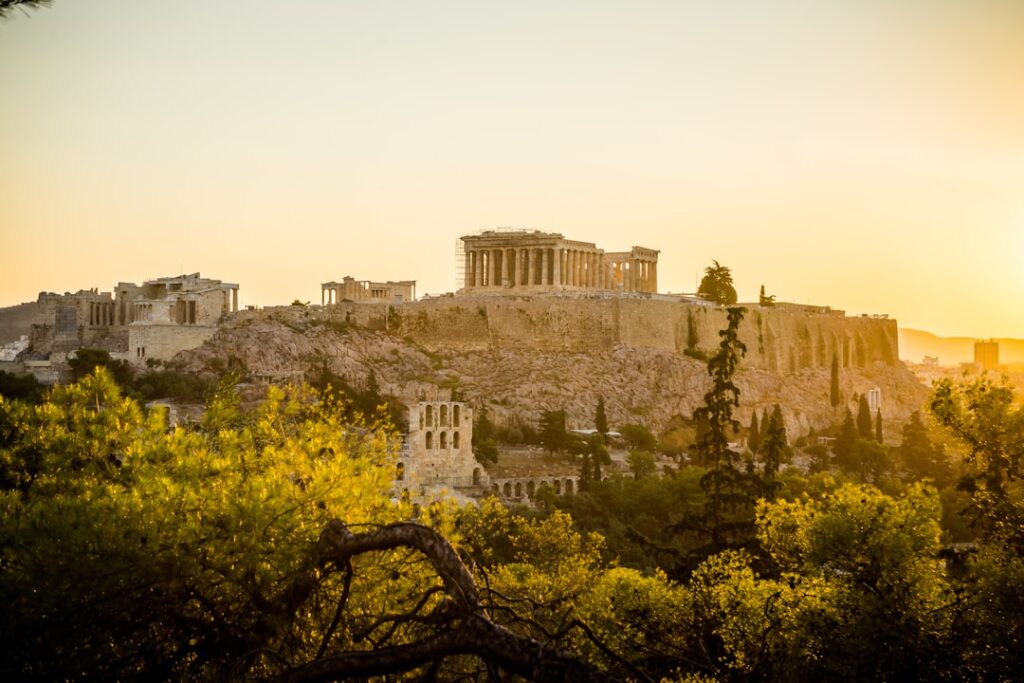
Start early to enjoy soft light and avoid the crowds. The Acropolis of Athens is the city’s historical and visual heart: the sacred hill overlooks Athens and houses the Parthenon, the Erechtheion, the Propylaea and the Temple of Athena Nike. Address: Acropolis, Athens 10558. Opening hours (seasonal): generally 08:00–20:00 (April to October) and 08:00–17:00 (November to March). Standard entry fee: around €20 in high season (combined tickets may be available); reduced tickets about €10; free entry on certain public holidays (check in advance). Tip: arrive right at opening for morning light and photos with fewer people; wear sturdy shoes — surfaces are uneven and can be slippery.
After visiting the Acropolis, head down to the Acropolis Museum — essential to understand the sculptures and daily life of ancient Athenians. Address: Acropolis Museum, Dionysiou Areopagitou 15, Athens 117 42. Hours: 08:00–20:00 (closed Mondays except in high season, check for variations). Admission: around €10–12 (adult), discounts for students and seniors. The museum has a glass terrace with a direct view of the Acropolis — perfect for a coffee break and a full panorama before exploring the old town.
 Click here to book your premium Acropolis & Parthenon tour
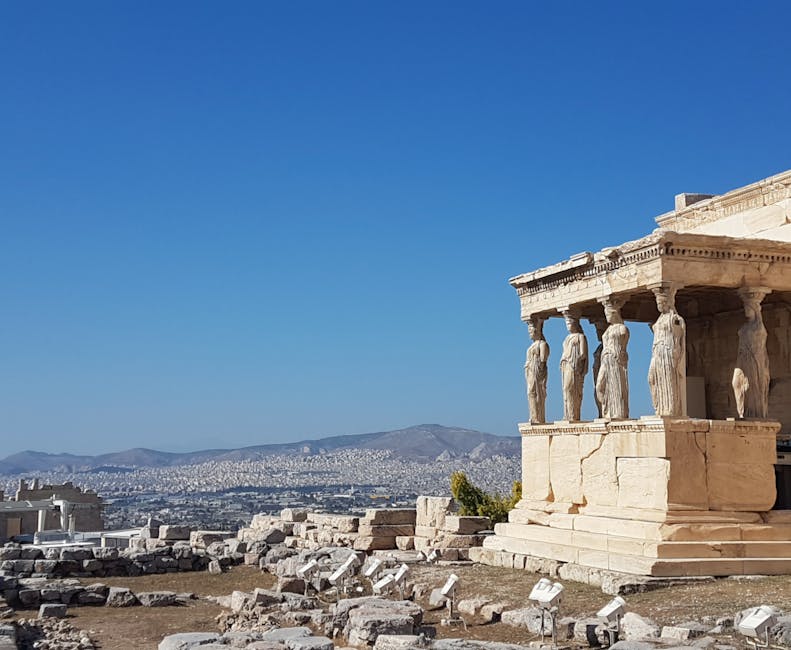
Practical tips for the morning: buy tickets online for the Acropolis and museum to skip the lines; bring water and a hat (especially in summer); allow at least 2–3 hours for the Acropolis and 1.5–2 hours for the museum. To save time, combine the visit with a breakfast in Plaka — many bakeries sell tyropita (cheese pie) and traditional Greek coffee.
Day 1 — Afternoon and Evening: Plaka, Monastiraki, Anafiotika and a Sunset Terrace
After the museum, stroll around Plaka, the picturesque neighborhood at the foot of the Acropolis. Plaka’s heart: Adrianou & Tripodon, Athens 10555. This area is a maze of cobbled lanes, tavernas and craft shops. Among the neoclassical houses, seek out the quiet island‑like cluster of Anafiotika: a pocket of white Cycladic‑style houses clinging to the Acropolis’ north slope. The atmosphere is particularly enchanting late afternoon, when the light kisses the white walls.
Click here to discover Plaka and the Acropolis with an expert guide
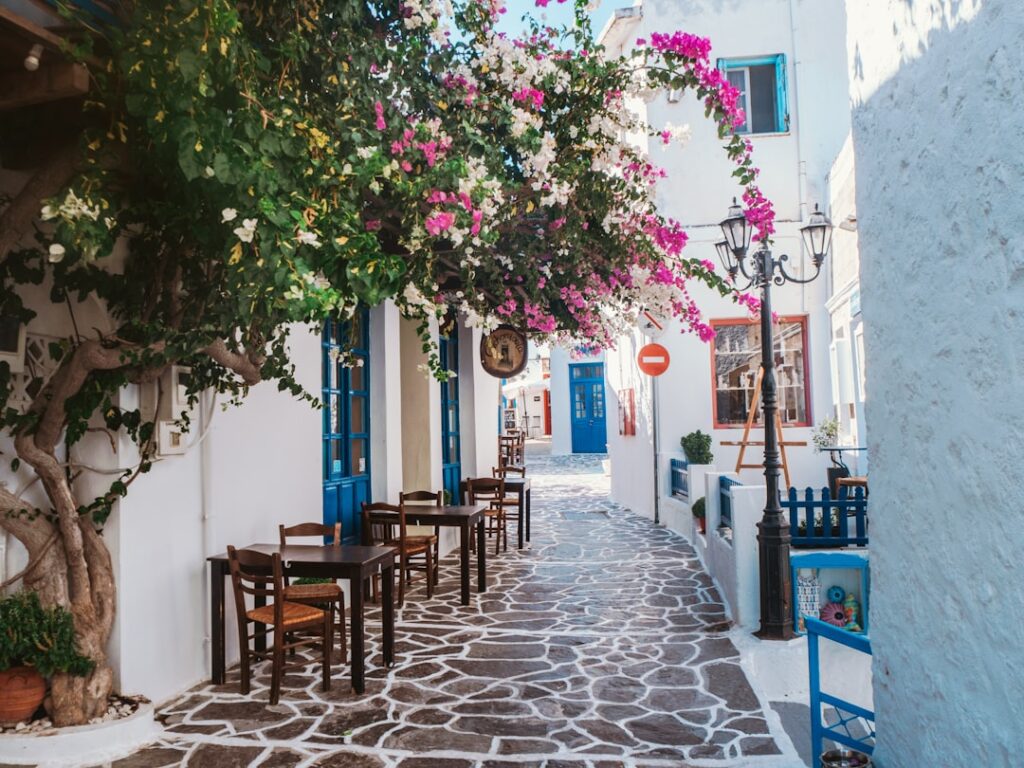
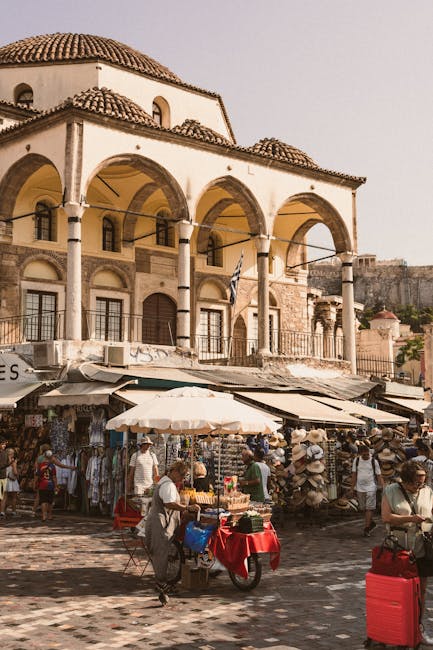
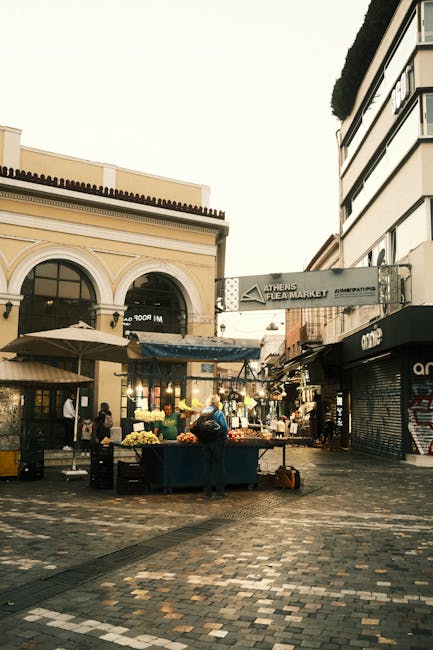
Continue to Monastiraki Square (Plateia Monastiraki, Athens 10555), home to a permanent flea market and souvenir stalls. Don’t miss the Sunday flea market if your trip lines up: it’s full of vintage finds and handmade items. Covered market (Varvakios Agora) address: Athinas 42, Athens 10551 — the central market is open early morning through mid‑afternoon; it’s the ideal place to taste mezzes and watch lively trade.
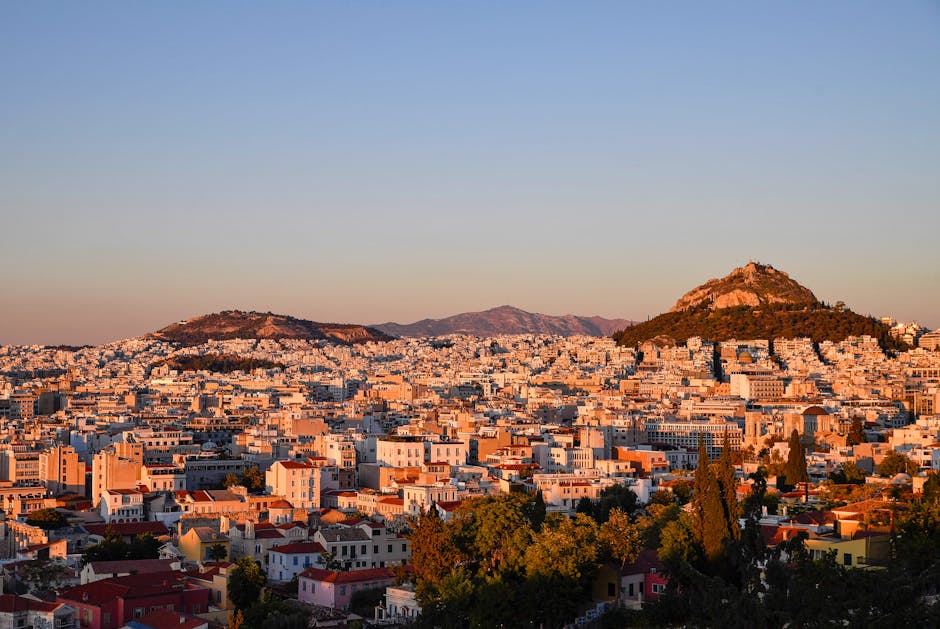
For sunset, head up Philopappos Hill (Filopappou Hill) or Lycabettus (Mount Lycabettus) for panoramic views. Lycabettus funicular address: Aristippou 2, Athens 106 73 (the funicular climbs to the Lycabettus theatre). Funicular hours vary, often 09:00–23:00; return fare around €7–8. Alternatively, hike up Philopappos on foot for a quieter, free walk. The Parthenon bathed in sunset light is unforgettable.
Click here to enjoy an Acropolis sunset tour
Evening: head back toward Psyrri (Psiri) or Gazi for dinner. Psyrri (center: Karaiskaki Square) is known for lively tavernas and bars; Gazi (near Keramikos) has a trendier scene with clubs. For a classic meal, try O Thanasis (Mitropoleos 69, Monastiraki), famous for its souvlaki (roughly €3–6 per sandwich). For dessert, hunt down a loukoumades stall or a small café serving a frappé (€2–3).
Day 2 — Morning: Roman Agora, Ancient Agora and the National Archaeological Museum
Start your second day at the Ancient Agora and the Roman Agora: civic spaces that speak to the political and commercial life of the city in antiquity. Ancient Agora address: Adrianou 24, Athens 10555. Hours: often 08:00–15:00 in low season and 08:00–20:00 in high season. Admission: about €8–10; combined tickets with other archaeological sites may be available. Explore the Temple of Hephaestus, one of the best‑preserved ancient temples.
Click here to book a guided Agora tour with a skip‑the‑line ticket
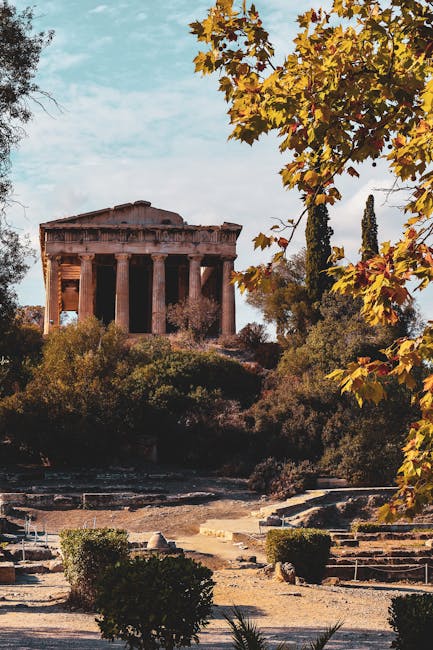
Next, head to the National Archaeological Museum. Address: 44 Patission Street, Athens 10682. Hours: typically 08:00–20:00 (seasonal; closed some holidays). Admission: about €10 (student reductions available). This museum houses Greece’s most important ancient collections: statues, frescoes, gold artifacts and a famous selection of Mycenaean masks and jewelry. Allow 2–3 hours for a satisfying visit; prioritize the sections that most interest you if short on time.
Click here to explore the National Archaeological Museum with a guide
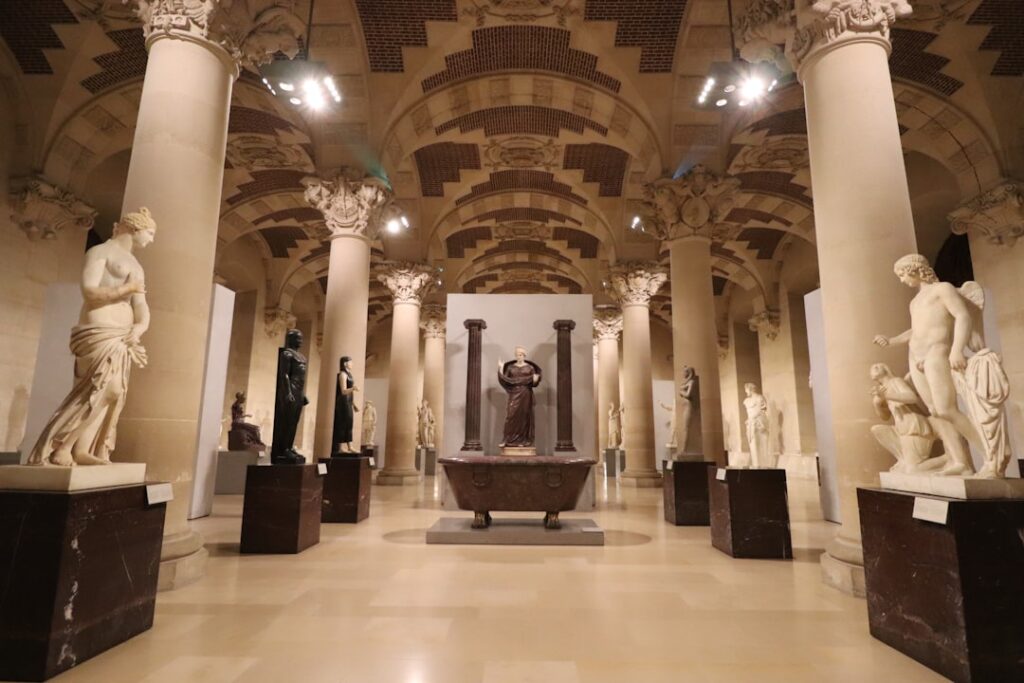
Practical tip: use the metro (Line 2 « Metaxourgeio » or Line 1 « Victoria ») to reach the museum; Athens metro is efficient and safe. Plan a coffee break in the museum café or a quick lunch at the central market if you want a taste of local food — roast chicken, mezzes and fresh fish are easy to find.
Day 2 — Afternoon and Evening: Kerameikos, Mets and Local Nightlife
In the afternoon, explore Kerameikos (Kerameikos Archaeological Site and Museum), a quieter but historically rich site linked to ancient cemeteries and pottery. Address: Ermou & Kerameikou, Athens 10555. Hours: about 08:00–17:00 (seasonal). Admission: €6–8. The small on‑site museum displays grave steles and funerary objects that tell the story of ancient Athenian rites and society.
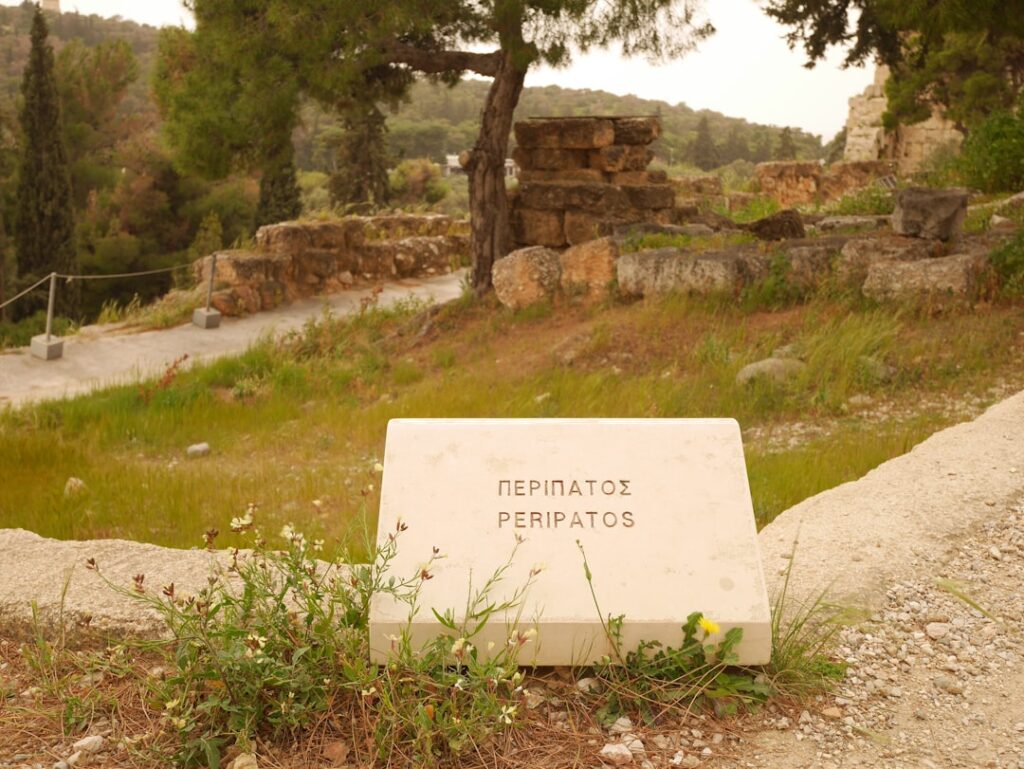
A few steps away is the residential neighborhood of Mets, a quiet corner with family tavernas and peaceful lanes — perfect for a break away from tourist crowds. Try a local taverna for a hearty dinner: recommended dishes — moussaka, gemista (stuffed vegetables), grilled calamari. Typical taverna example: To Steki tou Ilia (local example, check current address); dinner budget: €12–25 per person depending on choices.
For the evening, check out Gazi’s bars and cafés (Technopolis area) or head back to Psyrri for a more authentic vibe. If you want a night with views, the Acropolis Museum Restaurant terrace offers dinner overlooking the ruins — reservations recommended. Terrace restaurant prices: mains €15–30, wine €6–10 per glass. End your night with a stroll through Plaka’s lit streets, where marble and façades take on an almost magical glow.
Click here to join a mosaic workshop in the Gazi neighborhood
Practical Tips for 48 Hours: Transport, Tickets and Local Tricks
Transport:
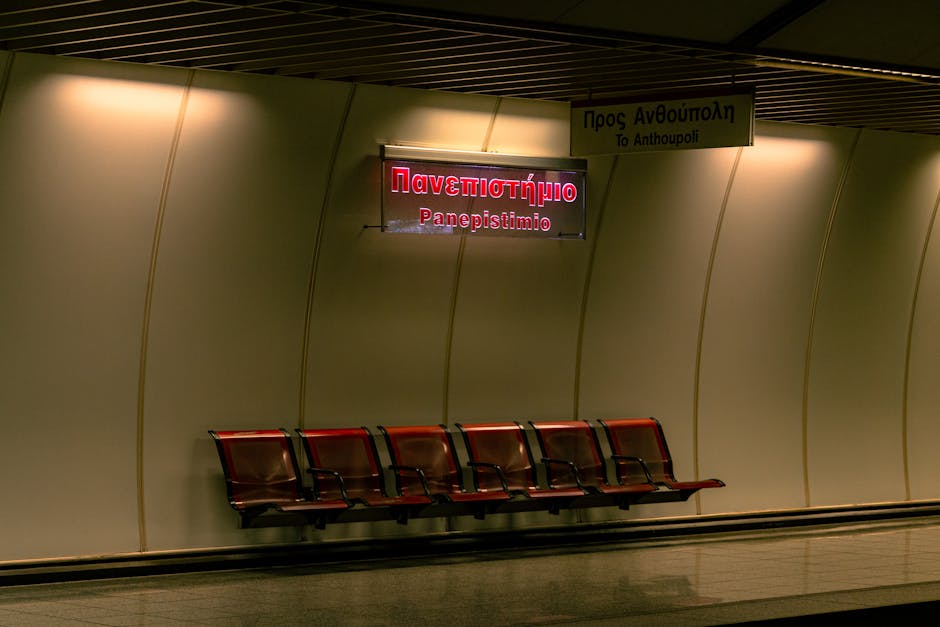
– Metro: the fastest option; Syntagma (Syntagma Square) and Monastiraki are two convenient hubs. Single metro ticket: about €1.20 (time‑limited), 24h pass: around €4.10 (check current fares).
– Bus/tram: useful for getting to the waterfront (Piraeus, Flisvos Marina).
– Taxi: fairly affordable in the early/late evening; typical booking line: Radio Taxi Athens +30 210 92 92 000.
– On foot: many sites are close together — walking is often the best way between the Acropolis, Plaka and Monastiraki.
Tickets and opening times:
– Buy Acropolis and Acropolis Museum tickets online (official sites) to avoid queues.
– Always double‑check opening hours: they change by season and public holidays (e.g. some museums close on Mondays).
– Combined tickets exist for the Acropolis + other archaeological sites; they can be more economical if you plan to visit multiple locations.
Safety and comfort:
– Athens is generally safe for visitors, but watch out for pickpockets in busy tourist zones (Monastiraki, metro during rush hours).
– Drink plenty of water, especially in hot months; the city is sunny and dry.
– Respect archaeological sites: don’t climb on the ruins or touch sculptures.
– Dining hours: Greeks often eat late (20:30–23:00). To avoid crowds, plan dinner before 19:30 or after 21:30.
Exact Addresses, Prices and Opening Hours — Quick Reference
Here’s a handy summary of the places mentioned, with addresses, typical hours and prices (seasonal variations apply — always check online before your visit):
– Acropolis (Parthenon, Erechtheion, Propylaea) — Address: Acropolis, Athens 10558. Typical hours: 08:00–20:00 (Apr–Oct), 08:00–17:00 (Nov–Mar). Price: ~€20 adult (high season), €10 reduced.
– Acropolis Museum — Address: Dionysiou Areopagitou 15, Athens 117 42. Hours: 08:00–20:00 (seasonal). Price: ~€10–12.
– Ancient Agora of Athens — Address: Adrianou 24, Athens 10555. Hours: 08:00–15:00/20:00 depending on season. Price: ~€8–10.
– National Archaeological Museum — Address: 44 Patission Street, Athens 10682. Hours: 08:00–20:00 (seasonal). Price: ~€10.
– Kerameikos Archaeological Site & Museum — Address: Ermou & Kerameikou, Athens 10555. Hours: 08:00–17:00 (seasonal). Price: ~€6–8.
– Varvakios Agora (Central Market) — Address: Athinas 42, Athens 10551. Hours: early morning until about 16:00 (busiest early morning).
– Mount Lycabettus funicular — Boarding address: Aristippou 2, Athens 10673. Hours: often 09:00–23:00. Funicular price: ~€7–8 return.
Conclusion: Two Full Days — and a Desire to Return
In 48 hours in Athens you can capture the essence of a layered city: the Parthenon’s perfect lines, the insight of museum collections, neighborhood life in Plaka and Psyrri, and quieter moments in Anafiotika or at the central market. The addresses and hours here are meant to save you time and help you make the most of a short stay without sacrificing the experience. Remember that balancing major sites with local discoveries is key — a cultural morning can be followed by a simple, delicious street lunch, a short siesta, then an aperitif on a terrace facing illuminated ruins.
Book tickets in advance, wear comfortable shoes, stay hydrated and embrace the Greek rhythm: sometimes slow, often warm. If the ancient panoramas pulled at you, you’ll want to return to explore nearby islands (Hydra, Aegina) or dig deeper into Athens’ museums and contemporary galleries. And don’t forget your curiosity: it’s what will lead you to family tavernas, hidden artisans and the corners where the city reveals its most tender secrets. Safe travels and kalós táxidi — have a great trip to Athens!
Click here to book a day trip to Hydra