


Introduction
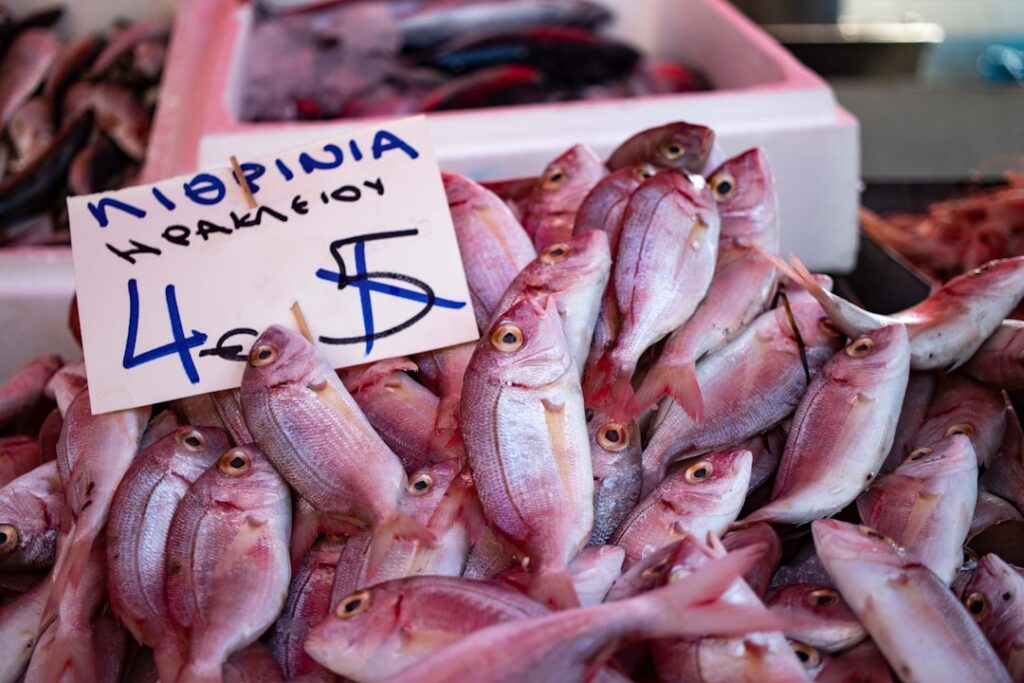
Athens isn’t just a city of ancient monuments and sacred hills — it’s a place where the sea fills your plate. A short distance from the port of Piraeus, fishmongers’ stalls, octopus shacks and family-run tavernas offer an authentic, flavorful and often budget-friendly culinary experience. This guide focuses on the best fish stalls in Athens — whether they’re vendors at the central market, local fishing boats landing the day’s catch at Mikrolimano, or small counters tucked away in lively neighborhoods like Psyrri and Monastiraki.
For curious visitors, exploring Athens’ fish stalls is stepping into a morning ritual: arrivals at dawn, haggling with wholesalers, salty smells and the theatre of the fish trade. Below you’ll find prices in euros, exact addresses, opening hours and practical local tips to help you plan visits, spot the best produce and enjoy seafood like a true Athenian.
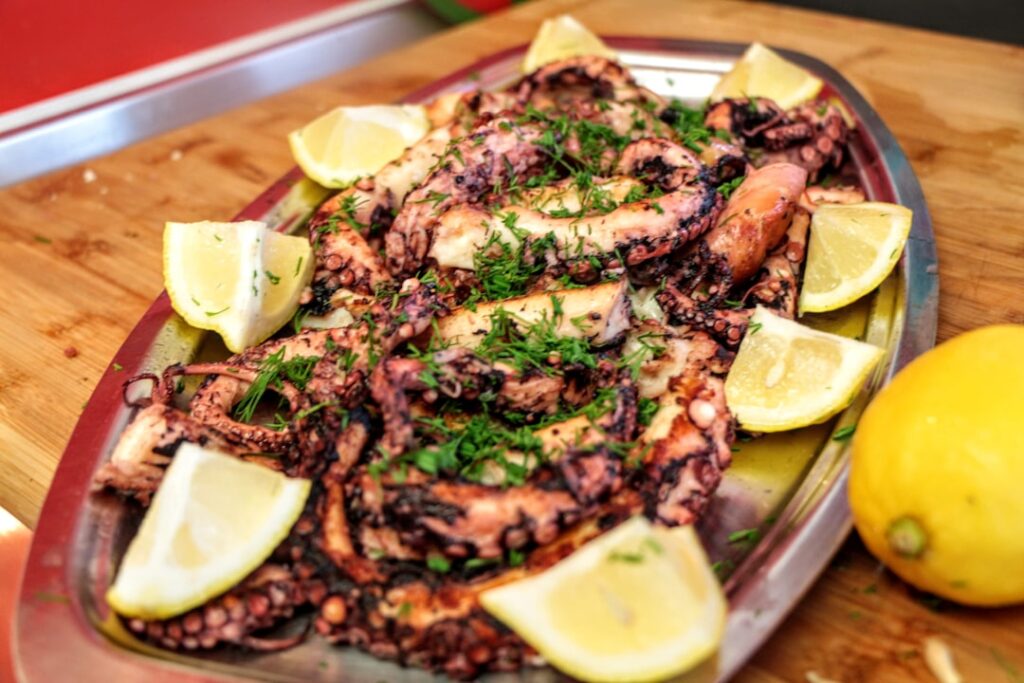
This guide doesn’t just list addresses: it gives routes to reach the most authentic stalls, sensory descriptions (colors, textures, sounds) to better judge freshness, and tips for negotiating, selecting and storing your fish. You’ll also get recommendations for classic preparations (charcoal-grilled, seafood saganaki, roasted octopus) and indicative prices — since the market shifts with season, weather and landings.
Whether you’re a food lover, a foodie photographer, a resident hunting for fresh produce or a hungry tourist after an Acropolis visit, this guide will help you locate the best spots, understand local codes and get the most out of Athens’ seafood scene. We also include health precautions, advice for transporting fish safely and pairing suggestions with wine or tsipouro to go with your purchases. Pack an insulated bag, your filleting knife and a healthy appetite: let’s go discover the stalls where the Aegean meets the Greek capital.
Varvakios Central Market (Agora) — The Beating Heart of Athens’ Fish Trade
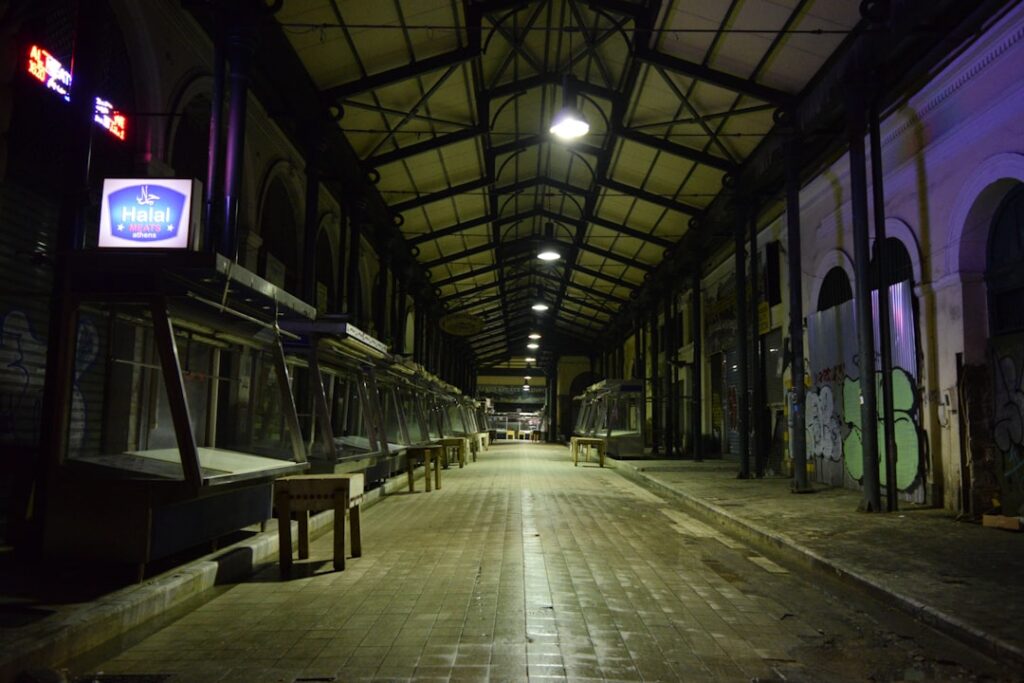
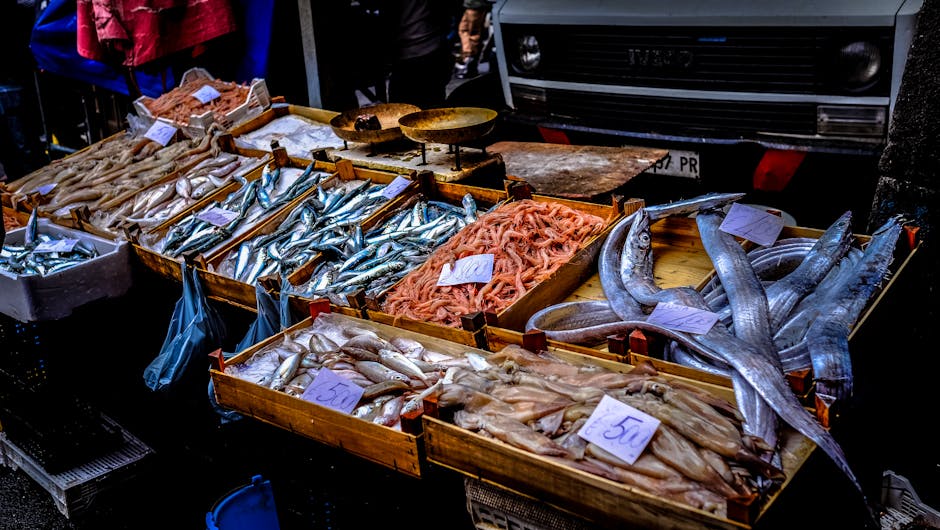
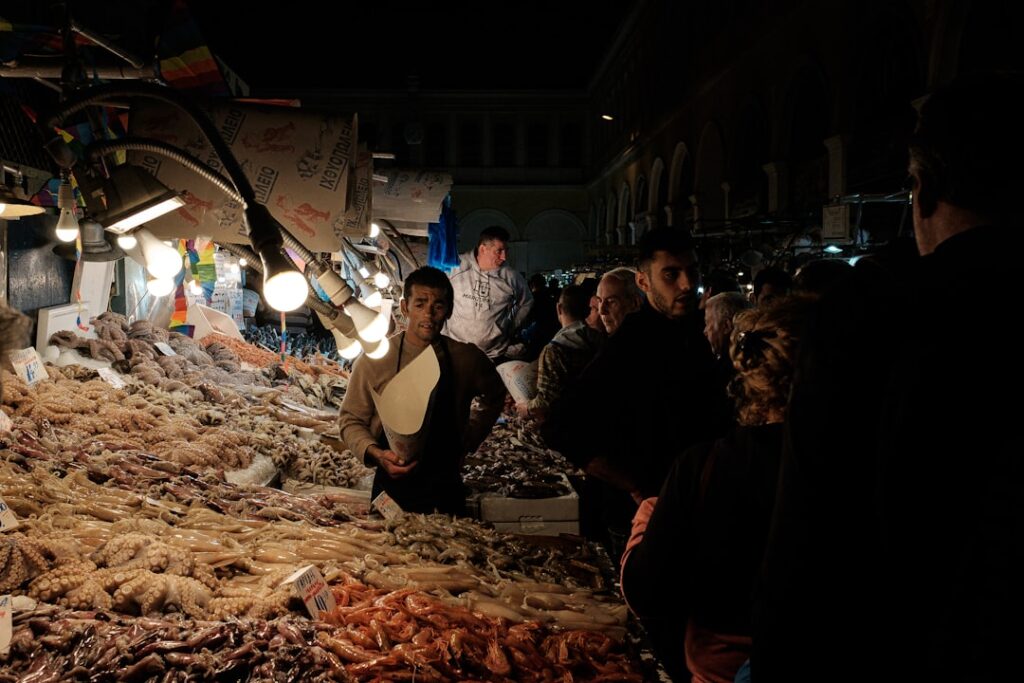
Athens’ central market, commonly called Varvakios Agora, is your first must-stop. Address: Central Market of Athens, 42 Athinas Street, Athina 105 51. Nestled between Omonia Square and Monastiraki, this historic market concentrates fishmongers, seafood stalls and small street kitchens. Hours: most fish stalls open early, generally 06:00–15:00 Monday to Saturday; some wholesale operations start as early as 03:00. The market is closed on Sundays. Indicative prices: fresh sardines €3.50–6.00/kg, mackerel €4.00–8.00/kg, sea bream (dorade) €8.00–18.00/kg depending on size, fresh octopus €12.00–25.00/kg. Prices vary with season and arrivals.
What you’ll find: stalls selling whole fish (sea bream, sea bass, red mullet), crustaceans (shrimp, prawns), calamari and octopus, plus supplies like ice and insulated boxes. The atmosphere is lively: auction shouts, salty air, wet nets hanging and fishmongers ready to clean or fillet your purchase. Many fishmongers will even cook your fish on site — ask for « psari sta karvouna » (fish grilled over charcoal) or for something « xerotopos » (dried/seasoned) at the market’s small kitchens.
Practical tips: arrive before 09:00 to get the best cuts and avoid the summer heat; bring an insulated bag and ice if you won’t eat immediately; be ready to speak a little Greek or to point — vendors are used to tourists. To pick fresh fish: look for clear, bulging eyes, red gills, firm flesh and a clean marine smell (no ammonia). For a full experience, pair your market visit with breakfast in a nearby taverna: a strong Greek coffee and a mezzé of fried calamari is a truly authentic way to start the day.
 Click here to join a cooking class after visiting the market
Mikrolimano (Piraeus) and the Port: Quay Stalls and Fresh Landings
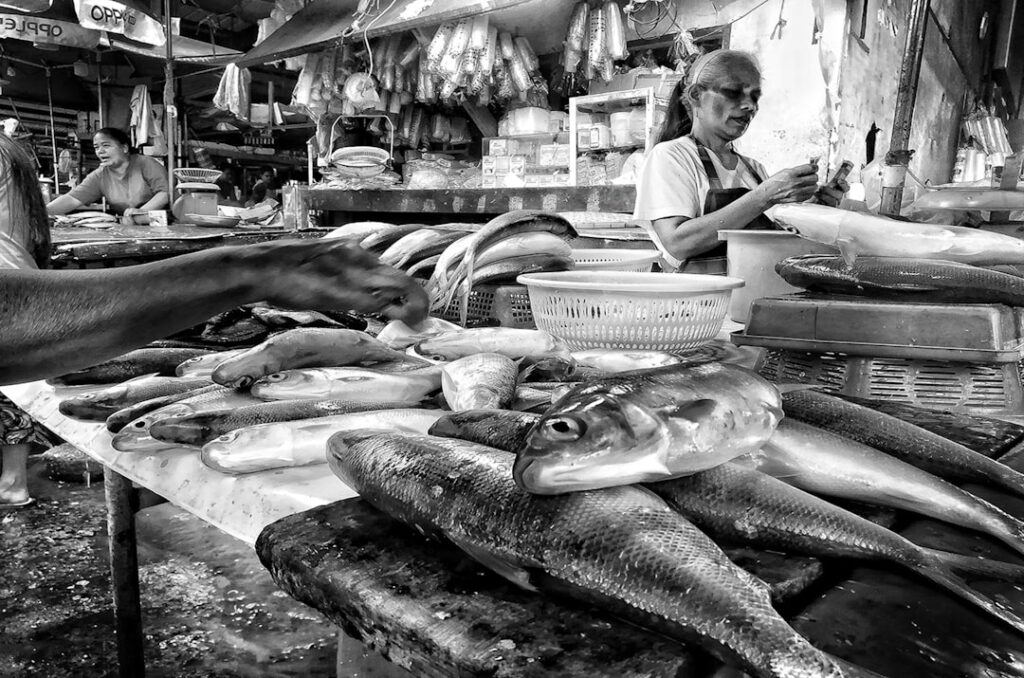
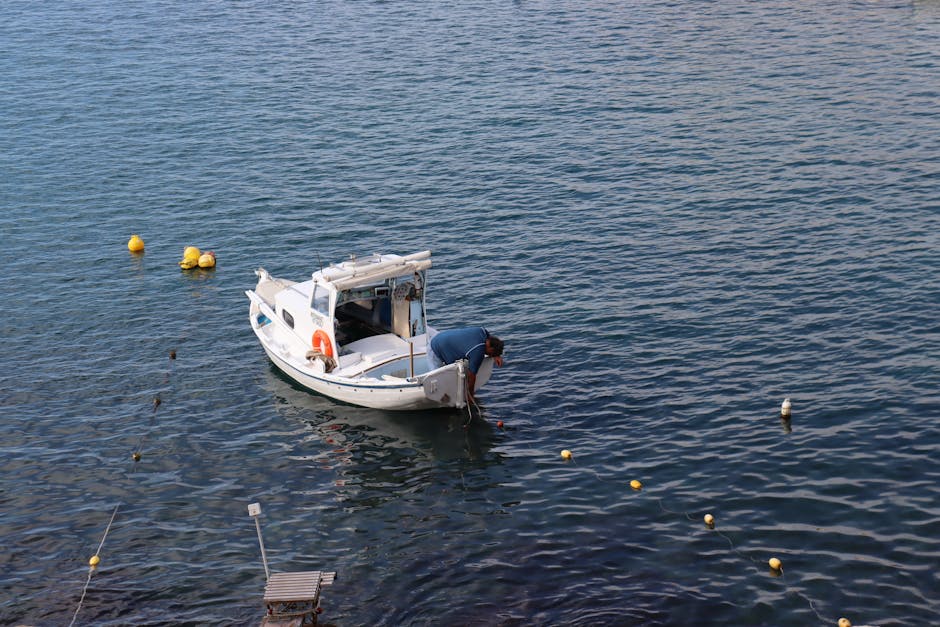
About 15–20 minutes by car or tram from central Athens, the port of Piraeus is the city’s maritime gateway and home to several excellent spots for ultra-fresh fish. Main area: Mikrolimano, Zeas Akti, Piraeus 185 38. You’ll see fishermen landing the day’s catch at the pontoons and tavernas serving fish almost straight from net to plate. Hours: landings take place early (from 05:00–08:00); waterfront tavernas are open 11:00–23:00, some until midnight. Indicative prices: small mezzé plates (calamari, grilled sardines) €6–12, main grilled fish dishes €12–28, seafood platters for two €35–70.
Experience: stroll the quay, inspect nets, enjoy the sea breeze and pick a table with a view of the fishing boats — charcoal grilling is the norm. Popular tavernas in the area serve classics like tsipoura psiti (grilled sea bream), lavraki (sea bass) and mixed platters of local small fish. Informal stalls along the port sometimes offer specialties like smoked fish goods or octopus sandwiches.
Practical tips: for the best value, visit Mikrolimano outside the weekend lunch rush (Sunday midday is the busiest); if you buy raw fish, ask fishermen or wholesalers to show you the origin — some sell « caught today. » If you plan to take a ferry after buying fish, pack it carefully with ice in a soft cooler and check whether your hotel can store it.
Click here to take a cruise to Agistri, Moni and Aegina
Psyrri and Monastiraki Counters — Street Food and Neighborhood Fish Stalls
The Psyrri and Monastiraki neighborhoods, close to the Acropolis and the central market, offer a selection of small counters where fish is served in quick, often delicious portions. Key spots: Monastiraki Square (Monastiraki Square, Athina 105 55) and Miaouli Street (adjacent streets in Psyrri). Hours: most counters open around 11:00 and stay open until 23:00; some street stalls close earlier in the evening. Prices: bites and mezzé €3–10, fish wraps (kalamaki or fish souvlaki) €4–8, portions of roasted octopus €8–15.
What to expect: these counters prioritize speed and flavor: fried calamari, fish skewers, tuna sandwiches, octopus salads. The crowd is a mix of locals in a hurry and tourists drawn by proximity to the main sights. Many counters convert a tiny space into an open kitchen where you can watch fish being breaded, grilled or marinated, served on pita or as a sharing plate.
Practical tips: if you want local flavor at a budget price, go to counters with a local queue (line at lunchtime). Ask « Nyrosto? » or « tin simera? » (is it fresh? / what do you have today?) to check freshness. Be mindful of hot summer hours when preservation is critical — prefer immediate consumption. For a wallet-friendly meal, order mezzé to share and pair it with a glass of tsipouro or a local beer.
Click here to discover Athens street food on a guided tour
Specialist Fishmongers and Takeaway Services — Quality, Filleting and Advice
Beyond markets and quays, Athens has specialist fishmongers offering filleting, cleaning, cooking advice and sometimes delivery. Example reference: Central Market Fish Shops on Athinas Street (various stalls along the Athinas 42 stretch). Hours: typically 06:00–15:00 Monday to Saturday; some modern shops also open afternoons and offer delivery (11:00–20:00). Indicative prices: filleting service €3–8 depending on fish size; prepared and marinated fish ready to cook €8–25 per portion.
Why go: these fishmongers provide a more personalized level of service: they’ll pick the right fish for your recipes, advise on seasoning, offer vacuum-packed options for longer storage and guide you on cooking (temperatures, timings, local marinades). Knowledgeable fishmongers will also tell you what’s in season: for example, sardines shine in spring and summer, while some crustaceans are best in autumn and winter.
Practical tips: always ask for a receipt and check the packaging; for transport, request insulated wrapping and extra ice if you’re traveling. If you’re staying in an apartment or a place with a kitchen, these shops can prepare ready-to-cook dishes (e.g. orata en papillote) — a great option for a homemade Greek dinner. If you plan to bring dried or smoked fish home, check customs rules if you’re flying.
Local Tips for Buying, Cooking and Enjoying Fish in Athens
Choosing the right product: favor fish with bright eyes, red gills and firm flesh. Always ask « poso xana? » (how much does it weigh?) or simply show the size you want — fishmongers will understand gestures if your Greek is limited. For shellfish, check that prawns move and shells feel firm.
Haggling and prices: at the market, a small discount is often possible for bulk purchases or late-morning buys; offering around 5–10% is common, but stay respectful. The prices listed here are guidelines: season, weather and fishing method heavily influence cost.
Preparation and storage: to keep fish for 24–48 hours, pack it on ice in a cooler. If you bring it to accommodation, rinse briefly with cold water, pat dry and store at the bottom of the fridge. For a simple, typically Greek preparation: extra-virgin olive oil, lemon, oregano and a pinch of salt; grill in a pan or the oven (200–220 °C) depending on thickness: 10–15 minutes for fillets, 20–25 minutes for medium-sized whole fish.
Drink pairings: a light retsina, a dry Assyrtiko (Santorini) or a fresh Attica white pairs well with most grilled fish. For mezze and stronger flavors, tsipouro or ouzo make a good match.
Conclusion
Athens offers a mosaic of fish-related experiences: from the authentic bustle of Varvakios Central Market (Central Market of Athens, 42 Athinas Street, Athina 105 51) to the picturesque quays of Mikrolimano (Zeas Akti, Piraeus 185 38) and the lively street counters of Psyrri and Monastiraki. Each spot has its own pace, vocabulary and treasures: from tiny grilled sardines sold by the piece to whole sea breams ready for the grill. Prices vary (a snack for a few euros up to €25–30/kg for premium pieces), but the golden rule remains freshness and seasonality.
To get the most from your visits, plan early-morning trips, bring an insulated bag and a good knife if you intend to prep the fish yourself, and don’t hesitate to ask vendors for advice — they’re often proud to share their expertise. If you prefer to eat at a table, follow the queues to the port tavernas in Mikrolimano or pick a counter in Psyrri for a quick portion. And if you’re staying longer, visit multiple markets to learn seasonality and taste a wider variety of species.
Athens, a maritime capital despite its urban sprawl, knows how to blend history and modern life around a simple fish dish. Between the Acropolis watching over the city and the lit stalls of the central market, the Aegean continues to feed local palates and traditions. Take these tips with you, let your senses guide your choices, and fully enjoy the generous seafood offerings Athens puts within reach. Kali orexi — enjoy your meal!
Click here to explore the Acropolis and the Parthenon with a guide