


Introduction: Olive oil, olives and tradition — food markets for gourmets in Athens
Athens isn’t just a city of marble and ancient myths — it’s a living metropolis where local produce, rustic know-how and culinary traditions meet daily at the markets. For the curious foodie, the journey often starts with a perfectly ripe olive in your hand, a sniff and sip of herb-scented extra virgin olive oil, or a chat with a vendor who’s keeping a family recipe alive. Here, stalls don’t just sell products; they tell stories — of sun-drenched islands, wind-burnished groves, mountain farms and families pressing oil for generations.
In a city where the ancient rubs shoulders with everyday life, markets play a central role. The Kentrikos Dimotikos Agoras Athinon — better known as Varvakeios Central Market — buzzes from dawn: freshly landed fish, bundles of aromatic herbs, local cheeses and bowls of colourful olives. A short walk away, Evripidou Street specializes in spices, medicinal herbs and dried goods that add depth to Greek dishes. Further north, Monastiraki Square and Plaka mix food stalls with small olive-oil shops — perfect for gourmet souvenirs.
This guide aims to help the food-loving traveler in Athens: where to find the best olives, how to spot a genuine extra virgin olive oil, which places offer tastings and which stalls to prioritise at the markets. You’ll find exact addresses, opening hours, price ranges in euros, immersive descriptions of each spot and practical tips for buying, storing and bringing these culinary treasures home. There are also suggestions for planning an ideal market morning, polite bargaining tips and simple recipes to showcase your purchases.
Whether you’re a demanding epicurean, a home cook wanting to elevate your dishes, or a traveller hoping to bring back an authentic taste of Greece, this guide will turn a stroll through Athens into a sensory exploration. Get ready to inhale the scent of dried herbs, bite into plump olives, taste the fresh green notes of new oil, and leave with products whose quality and stories deserve to be shared around your table.

Must-visit Athens markets for olives and olive oil
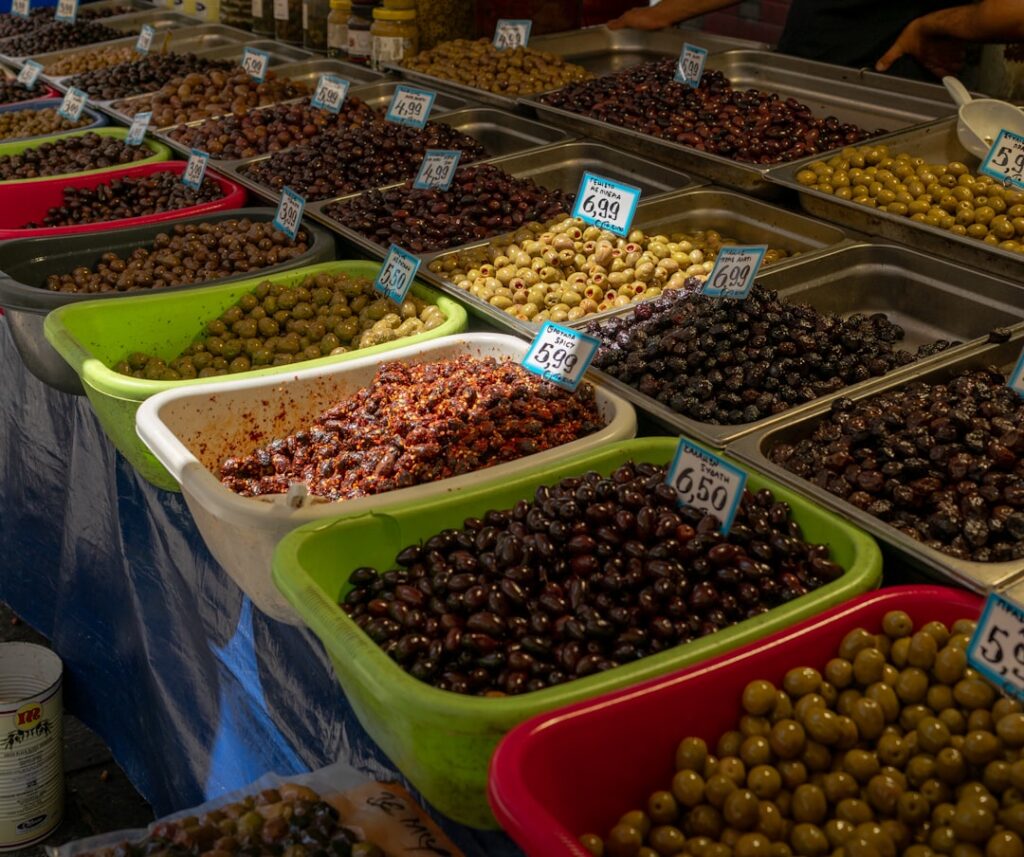
Varvakios Central Market (Kentrikos Dimotikos Agoras) is Athens’ gastronomic heart. Address: 42 Athinas Street (Athinas 42), Athens 10551. Opening hours: Monday–Friday 07:00–17:00, Saturday 07:00–16:00, closed Sunday. Stalls here compete in colour and aroma: Kalamata olives, green Lesvos varieties, semi-cured olives, and olive oils in bulk as well as decorative bottles. Expect roughly €6–12 per kilo for common table olives, and €8–25 per litre for extra virgin olive oil depending on origin and quality (standard oil ≈ €8–12/L, single-varietal or cold-pressed oils ≈ €15–25/L).
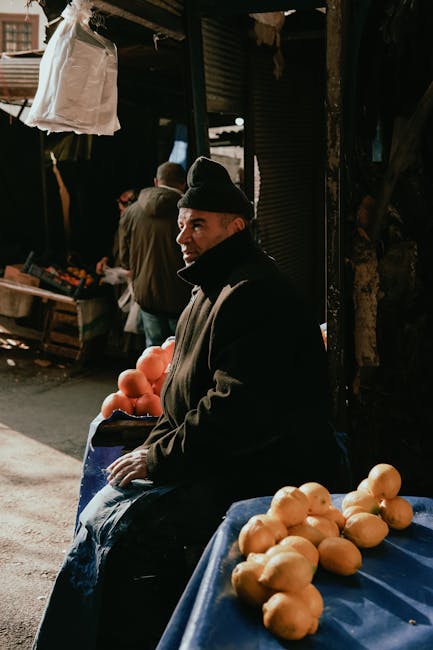
Wandering through Varvakios is to breathe the city’s market life: vendors calling out, customers tasting, the scrape of knives, fish on ice, piles of lemons and peppers. When buying oil, check labels for origin (e.g. Kalamata, Crete, Peloponnese), harvest year (freshness matters), and terms like “extra virgin” or “cold pressed.” Shops will usually accept cards for in-store purchases, though many small stalls prefer cash. Tip: arrive early for the best selection and haggle politely — a 5–10% discount is common if you’re buying multiple litres.
 Click here to discover the ultimate food tour
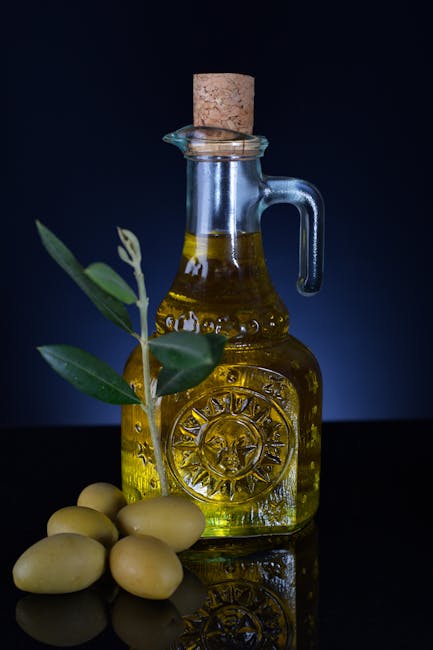
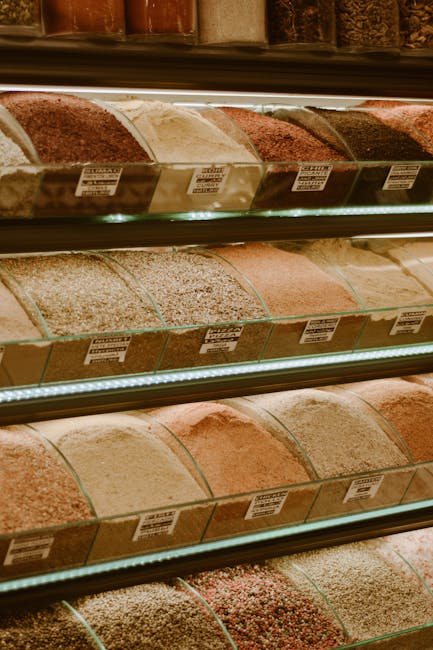
Evripidou Street is Athens’ spice corridor, just east of Monastiraki. Indicative address: Evripidou Street, Monastiraki area, Athens 10555 (the street runs into Ifestou). Opening hours: most shops open 09:00–20:00, though some close for a short siesta between about 14:30 and 17:30. This street is ideal for pairing with olive oil: za’atar, dukkah, wild oregano, sumac and house spice blends. 100 g bags of spices usually cost €1.50–4, while rarer mixes can reach €10–15 per 100 g.
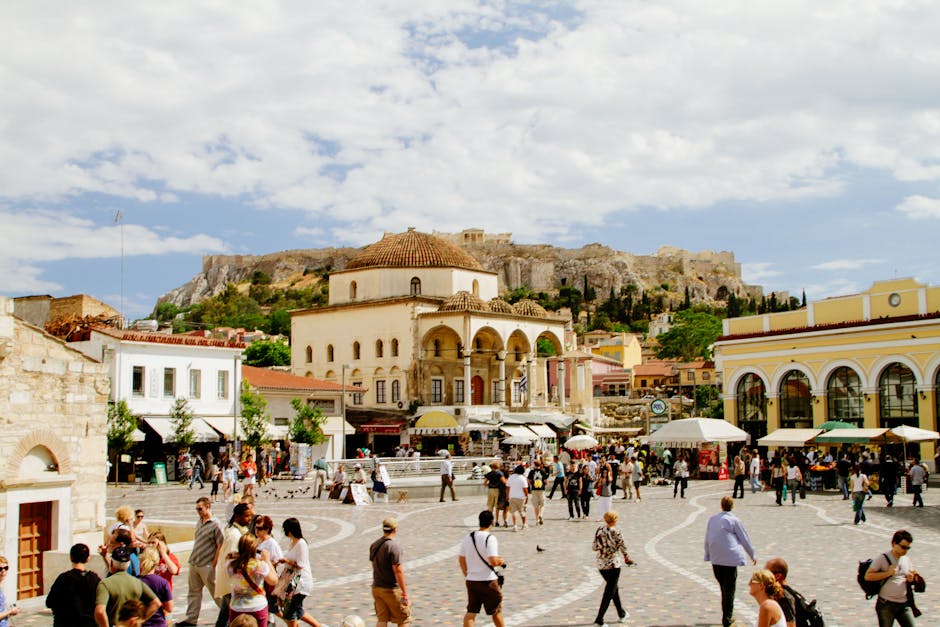
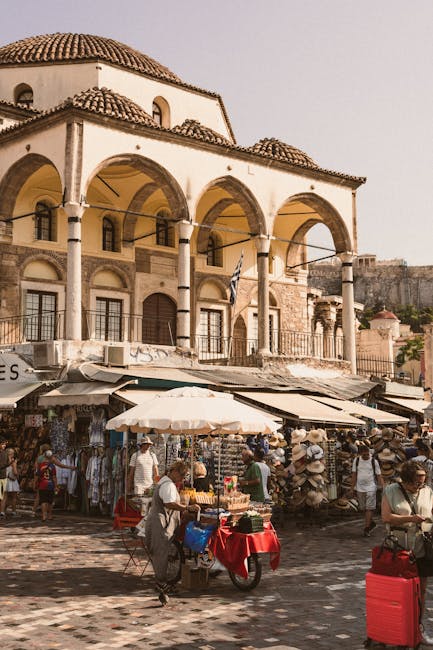
Monastiraki Flea Market (Ifestou Street, Monastiraki Square) is a hybrid place where souvenirs, antiques and food stalls coexist. Address: Ifestou 40 (Ifestou Street), Monastiraki Square, Athens 10555. Hours: market active daily 09:00–20:00, livelier on weekends. It’s a great spot to find small bottles of artisanal olive oil sold by independent producers or bottled by local shops. You’ll also find marinated olives, vacuum-packed cheeses and artisan preserves priced between €3 and €20 depending on packaging.
Don’t overlook neighbourhood markets like Kifissia (Kifissia Central Market, Station Square area) if you venture outside the centre: they often offer organic produce and oils from local craft makers. Common address: Kifissia Market, Plateia Kifissias (approx.), opening roughly 08:00–15:00, closed Sunday. Prices are higher (oil €12–30/L) but quality is often organically certified.
Workshops, tastings and where to buy top-quality olive oil
Tasting olive oil in Athens can be as structured as a wine tasting if you want it to be. Several shops and workshops run guided sessions where you learn to identify acidity, bitterness and pungency — three key sensory profiles. Look for “olive oil tasting rooms” located in Plaka and near the Acropolis Museum. A typical guided tasting costs between €12 and €40 per person depending on length and number of oils sampled (30–90 minutes, 4–8 oils).
One example: a 60-minute session in a Plaka boutique tasting six oils (herb-vanilla notes, green fruitiness, ripe fruitiness, single-varietal Koroneiki, a Cretan blend, and organic cold-pressed). Exact addresses vary, but search for “olive oil tasting Plaka Adrianou Street” to find places open to the public. Opening hours: most workshops operate 10:00–18:00, but book mornings or late afternoons.
Click here to join a market-to-table cooking class
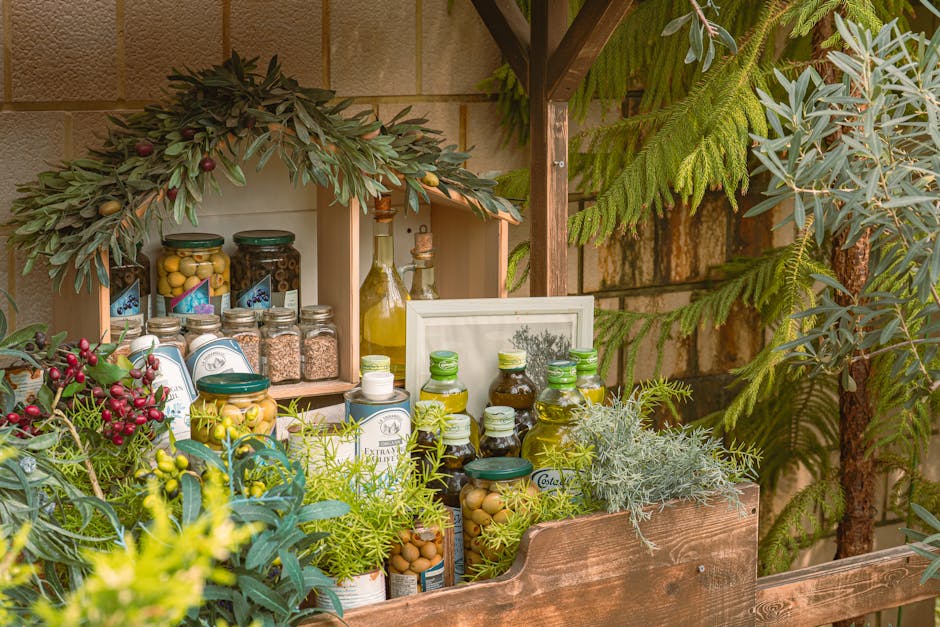
Where to buy well-known brands: for quality commercial bottles, look for official distributors like GAEA or TERRA CRETA — you’ll find them at Varvakeios Market, in supermarkets such as Sklavenitis (Sklavenitis, various locations) and in specialist shops in Plaka and Monastiraki. Price guide: GAEA extra virgin 500 ml ≈ €6–10, Terra Creta 500 ml ≈ €8–14. For small-producer oils expect €15–30 per litre for limited editions, cold-pressed and bottled in dark glass.
Tasting tips: use an opaque glass if possible, note the cold aroma (fruity, grassy, green apple), warm the glass slightly in your hands to release aromas, take a small sip and swirl the oil in your mouth before swallowing. A good oil will show a touch of bitterness and a peppery kick at the back of the throat — a sign of antioxidants and freshness.
Athens’ olives: varieties, storage and savvy purchasing
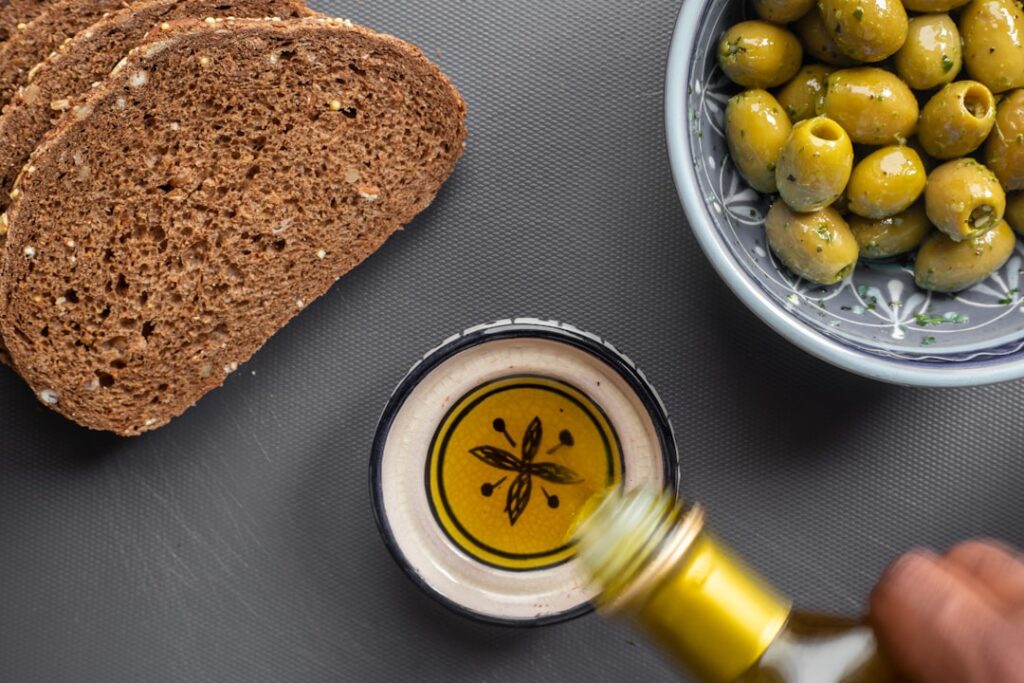
Greece offers a wide palette of olive varieties that differ in shape, flesh and curing method. In Athens you’ll commonly see:
– Kalamata: large, almond-shaped, ranging from deep purple to dark brown — ideal for salads or mezzes.
– Chalkidiki (green): usually preserved whole or brined, meaty and mildly crunchy.
– Amfissa: smaller, mild-flavoured, often served as an appetizer.
Stalls at Varvakeios and delicatessens in Plaka sell these in bulk, marinated with garlic, lemon, rosemary or chili.
Prices: bulk table olives ≈ €6–12/kg depending on variety and preparation. Artisanal jars (500 g) ≈ €4–12. You’ll also find confits and handcrafted tapenades at €3–8 for 200 g. For enthusiasts, a kilo of top-quality Kalamata olives can reach €15 if it’s a limited-production batch.
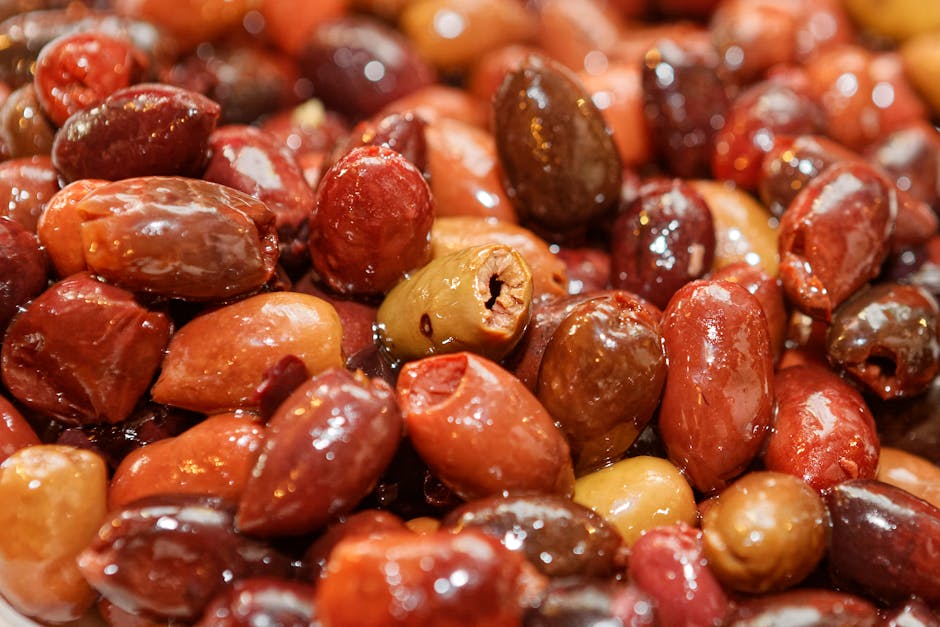
Storage: once opened, jarred olives keep 2–4 weeks in the fridge if kept submerged in their brine. To bring olives home, choose vacuum-sealed jars or sterilised preserves. Practical rule: check expiry dates and ask the vendor how they were prepared. If possible, buy a small quantity to taste before committing to a larger purchase.
Smart buying tips:
– Ask for the harvest year for oils. A current-year oil will usually be worth more than one that’s two years old.
– Buy oils in dark glass bottles for better preservation.
– For gifts, opt for 250–500 ml formats (€12–20) and pack them carefully to avoid breakage in your suitcase.
– For larger purchases (over 3 litres), ask if the seller offers food-grade jerrycans (often 3–5 L, €20–50 depending on quality).
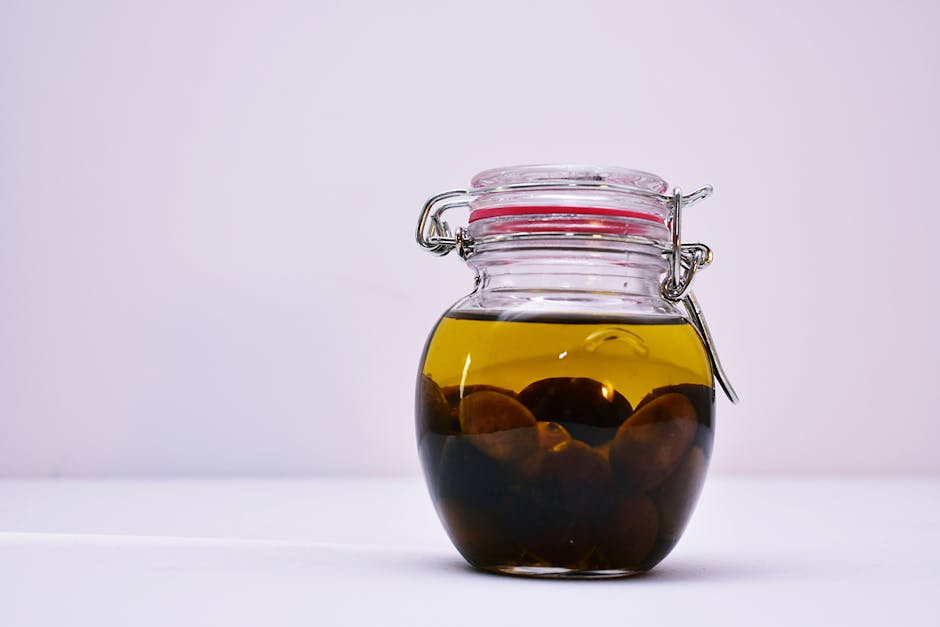
Culinary experiences and simple recipes to showcase your market finds
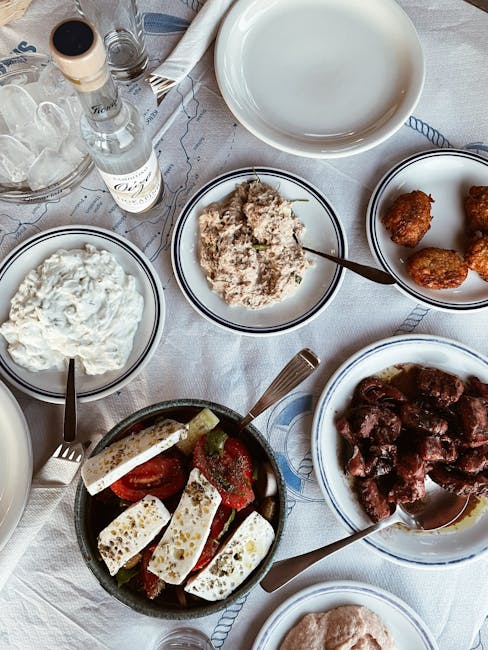
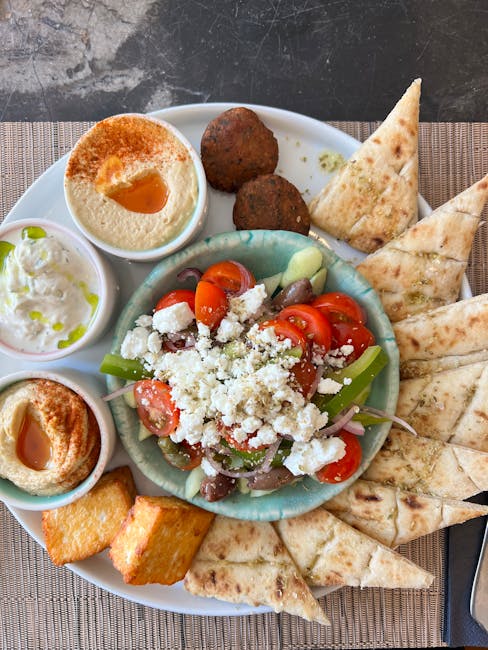
After shopping and tastings, the important thing is to put these products to use. In Athens, traditional tavernas and small kitchens in Plaka teach the art of seasoning sparingly: a drizzle of extra virgin olive oil over ripe tomatoes, a splash over grilled feta, or a finishing touch on baked fish. A simple Greek salad (horiatiki): heirloom tomatoes, cucumber, red onion, Kalamata olives, feta, oregano, extra virgin olive oil and a dash of red wine vinegar. Approximate cost for two: €6–12 for ingredients.
Quick recipe ideas using three market purchases:
– Greek-style bruschetta: toasted bread, garlic rub, crushed tomatoes, olive oil, basil and chopped olives (cost ≈ €4–6 for 4 people).
– Whole grilled fish with lemon and olive oil: sea bream or sea bass (fish €8–15 at Varvakeios), oil, lemon, salt, thyme. Cooking time 12–18 minutes.
– Oven-roasted vegetables: eggplant, peppers, onions, drizzled with olive oil and sprinkled with sumac or oregano (cost ≈ €5–9).
Cooking classes: several Athens cooking schools offer market-to-table sessions. Example itinerary: guided visit to Varvakeios at 09:00 (1h), pick ingredients, then a 3-hour cooking class in a local kitchen. Average price: €70–120 per person (including ingredients, wine and meal). Times: morning departures around 08:30–10:00 to enjoy the market at its freshest and liveliest.
Practical info: transport, packaging, safety and local etiquette
Getting around: Varvakios Central Market sits on Athinas Street, a 10–15 minute walk from Monastiraki metro station (lines 1 and 3). Metro reference: Monastiraki Station, Ifestou / Mitropoleos intersection, Athens 10555. Taxis are affordable around town; a ride from Syntagma to Varvakios usually costs €4–7 depending on traffic. For bulky purchases, consider a small hard suitcase or protective cardboard boxes bought locally for export.
Packaging and international transport: to bring oil home, pack bottles in leakproof wrapping or bubble pouches. Low-cost airlines enforce strict rules on liquids in cabin luggage; check baggage policies and favour checked luggage. For postal shipping, check import rules for your country — some nations limit the entry of edible oils. Estimated postal cost (1–5 kg) from Greece to the EU: €15–40 depending on service.
Safety and hygiene: Athens markets are generally safe, but keep personal items close as you would in any busy tourist spot. Avoid handling open products excessively (especially at Varvakios) without asking; use gloves or napkins when sampling. If you have food allergies, communicate them clearly in English or Greek (allergies = « aloergíes », olive oil = « ladi elias »).
Local etiquette: Greeks appreciate politeness and conversation. Greet with « Kalimera » (good morning) or « Kalispera » (good evening), say « Efharisto » for thank you and smile. Bargaining is common, but stay respectful: ask the price, taste if possible, then offer a small discount only when buying in quantity.
Walks and pairings: combine sightseeing with tastings
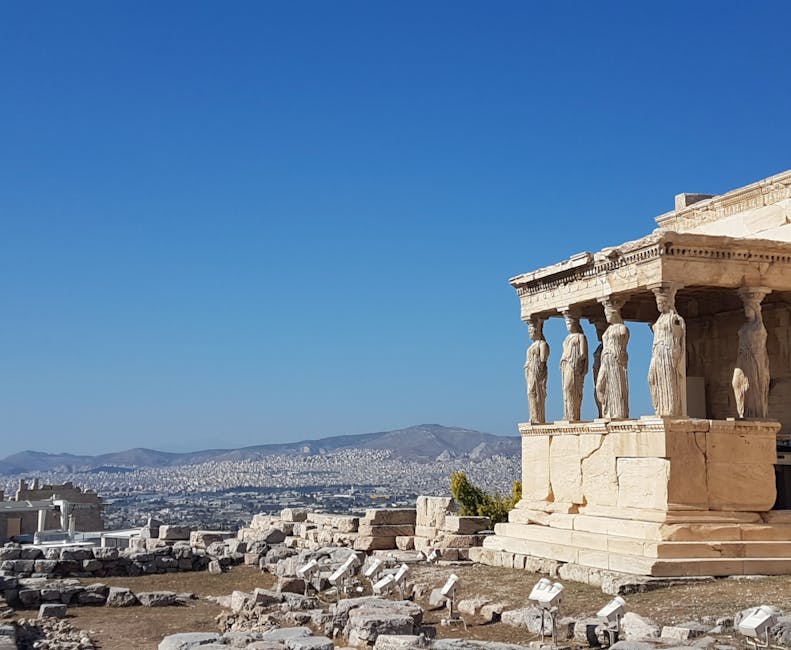
A food-focused route in Athens can easily pair monument visits with tastings. Start at the Acropolis (Acropolis of Athens, Dionysiou Areopagitou 15, Athens 11742). Opening hours: high season 08:00–20:00 (seasonal variations — check online), entrance fee ≈ €20 (discounts for students/EU residents). After the climb and panoramic views, head down to the Acropolis Museum (Acropolis Museum, Dionysiou Areopagitou 15, Athens 11742). Hours: usually 09:00–20:00, tickets ≈ €10–20 depending on temporary exhibitions.
Click here to taste wines, cheeses and olives at the Acropolis
Between these sites and the Plaka neighbourhood you’ll find small shops where you can taste oil and buy olives. Plan a lunch break at a traditional taverna like « Taverna Plaka » (illustrative address: Adrianou 75, Plaka — check the signage locally) where a mezzé with bread, olives, tzatziki and fresh olive oil costs about €10–18 per person. Then stroll to Monastiraki Square (Monastiraki Square, Athens 10555) and its antique market.
A perfect day: depart 08:00 for Varvakios (market), 10:00 visit the Acropolis, 12:30 lunch in Plaka, 14:30 olive oil tasting in a specialist shop, 16:00 wander around Monastiraki. This sequence gives you a taste of product diversity while avoiding the busiest sight-seeing hours.
Conclusion: bringing the taste of Athens home
Athens’ markets offer far more than goods: they pass on a living culinary culture. By exploring Varvakios Central Market, Evripidou’s spice shops and the alleyways of Monastiraki and Plaka, the foodie collects flavours and know-how that will extend the trip long after you return. Buying olive oil and olives in Athens is like choosing a piece of landscape and history — a bottle can hold sun, soil and the labour of passionate producers. Prices vary, but when you pick well (dark glass bottle, harvest year on the label, clearly stated single-varietal or blend), quality justifies the investment.
To bring these products home in good condition, pack them carefully, check import rules and favour sealed jars for olives. In the kitchen, let olive oil shine: as a finishing touch on soup, over fresh cheese, or simply with homemade bread. Athens’ workshops and tastings are there to teach you how to spot fresh oil from stale, and to explain why certain aromas speak to you more than others.
Finally, remember the experience is not only about taste: it’s human. Talk to a vendor, listen to a producer’s story, learn a preservation trick or a family recipe — that’s what turns a purchase into a lasting memory. Between the Acropolis and the markets, Athens offers a rare mix of history and terroir — a playground for food lovers seeking authenticity. Return home not just with bottles and jars, but with stories, recipes and the urge to share the taste of olives and oil that represent the best of Greece.