


INTRODUCTION
Time-travel isn’t just a figure of speech in Athens — it’s an actual, often visual experience. In the heart of the city, archaeological museums offer a sensory journey across millennia, from prehistory through the Bronze Age, the classical splendor, and into Roman and Byzantine times. Each museum functions as a memory chamber where stones, sculptures, pottery and jewelry tell stories of lives, rituals and technical innovations that shaped the Western world. For the curious traveler, that means thoughtfully planned routes, surprise discoveries, and moments when the humblest object becomes a living witness to a densely layered past.
In this article I invite you to follow a carefully considered route through Athens’s main archaeological museums, offering immersive descriptions of their collections and atmospheres as well as practical details — exact addresses, opening hours, ticket prices in euros, and local tips to make the most of your visit. Whether you’re an ancient art lover, a history student, a photographer or a traveler wanting to deepen your stay, I’ll give concrete pointers: when to come to avoid crowds, how to pair two museums in a day, which pieces you shouldn’t miss, and how to put certain objects into context.
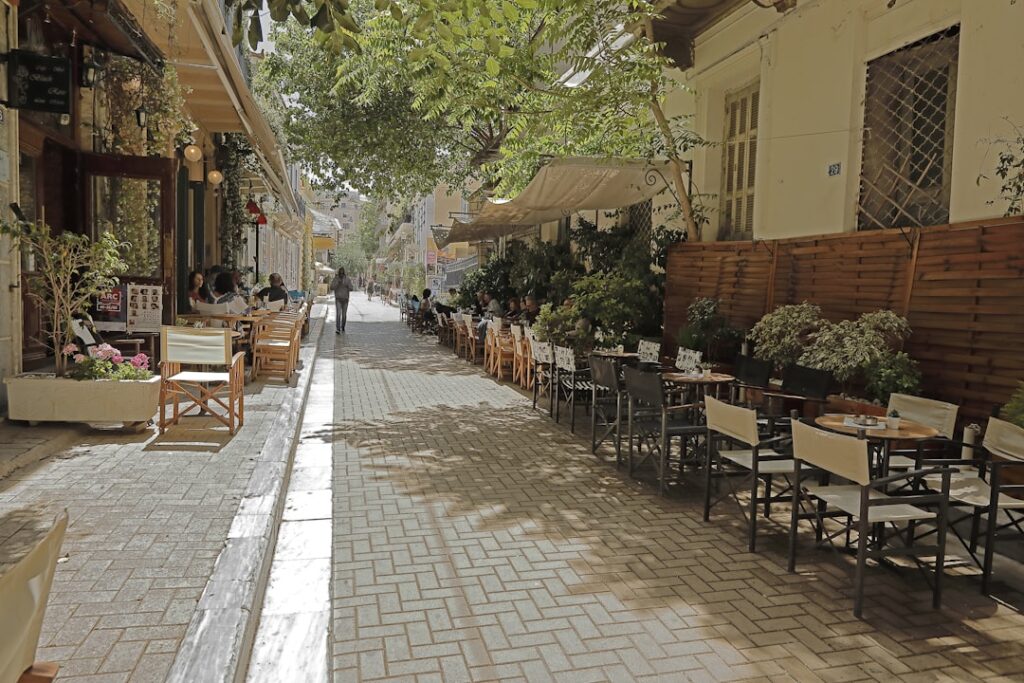
Athens is a city where ancient remains coexist with contemporary rhythms: a Greek café on a terrace can sit side-by-side with an Ionic column a few steps away. The museums in town vary too: some are vast and can easily fill a half-day, others are intimate and invite a calm, reflective visit. Throughout the sections you’ll discover landmarks like the National Archaeological Museum, the Acropolis Museum, the Museum of Cycladic Art, and lesser-known site-museums that deserve attention, such as the Kerameikos Museum or the Byzantine and Christian Museum. I’ll include practical local tips — for example, how to buy skip-the-line tickets, which days offer free admission, and which walking routes to favor so you can combine cooling breaks, photography and visits without wasting time.
Finally, I’ll emphasize the importance of context: understanding an amphora often means understanding Mediterranean trade; reading a carved frieze means grasping a city’s collective myths. Athens’s museums are entry points to ways of thinking about history, and they invite every visitor to become a small archaeologist of the present. Prepare to walk, to lift your eyes to millennia-old reliefs, and to let the city carry you into a story that has been unfolding for centuries.
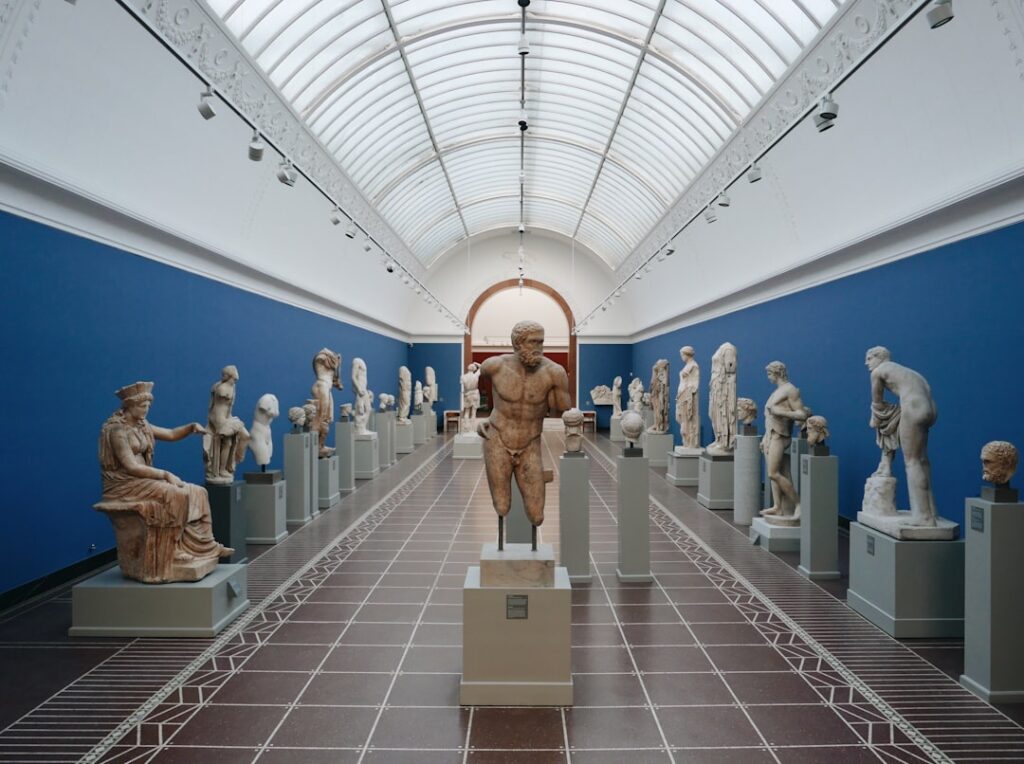
National Archaeological Museum, Athens: A Treasure of Ancient Greece
The National Archaeological Museum is Greece’s largest archaeological museum and one of the richest collections of Greek civilization anywhere in the world. Address: 44 Patission Street, Athens 10682. Its holdings span from prehistory to late antiquity, with standout sections devoted to the Bronze Age, classical sculpture and decorative arts. Highlights include the so-called Mask of Agamemnon, statues from the sanctuary of Artemis Orthia, and masterpieces from archaic and classical sculpture.
Opening hours (indicative — check the official site before you go): Tuesday to Sunday 09:00–16:00; closed Mondays. Tickets: general admission around €12; reduced around €6 (students, EU seniors); occasional free-entry days (national holidays, certain winter Sundays). The museum also offers combined tickets and group discounts. Its grand main hall, with massive sculptures, invites a measured pace: take time to pause before each fragmented roof, each pediment and each portrait to appreciate the evolution of style from the archaic through Hellenistic realism.
Practical tips: arrive at opening to avoid crowds and to catch the natural light that flatters the marbles. The bronze and ivory rooms are particularly light-sensitive; ask staff about the best-lit areas for flash-free photography. The museum has a well-stocked shop and a café, but if you plan a long day bring water and a snack — a visit can easily last two to three hours if you linger in the major sections. For tech-history enthusiasts, don’t miss the display of tools and everyday objects: it’s often there that you see the innovations that transformed daily life in antiquity.
 Click here to book your guided tour of the National Archaeological Museum
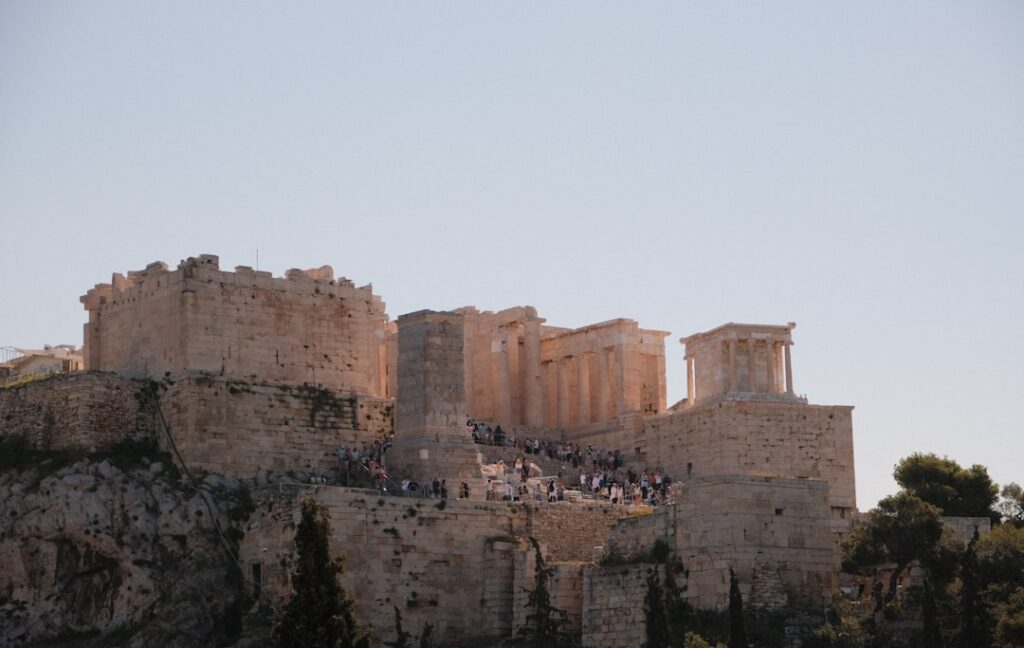
The Acropolis Museum: A Dialogue Between the Hill and Its Treasures
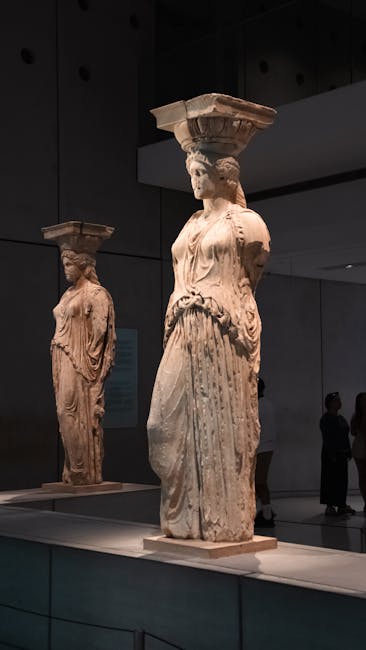
The Acropolis Museum is both a striking contemporary building and a fitting home for the sculptures from the Parthenon and the sanctuaries of the Acropolis. Address: Dionysiou Areopagitou 15, Athens 11742. Designed to frame direct views of the Acropolis hill, the museum presents sculptures in chronological and thematic order so you can understand their architectural and ritual roles. The famous Parthenon marbles, the Caryatids from the Erechtheion (copies here; the originals are kept safe), and sculpted friezes are displayed in light-filled galleries with transparent sightlines across the city.
Opening hours (indicative): April to October 08:00–20:00; November to March 08:00–16:00; sometimes closed on specific holidays — check online. Tickets: standard ticket around €10; reduced around €5; combined Acropolis + museum tickets often offered for about €20 depending on season and promotions. The museum provides multilingual audio guides and well-curated temporary exhibitions that complement the permanent collection.
Practical tips: split your visit if you plan to climb the Acropolis itself. Visit the museum before the hill to get context for the sculptures, or afterward to compare the objects with the ruins in situ. The museum’s upper terrace offers a spectacular view of the Parthenon — perfect at sunset for dramatic photos. Buy skip-the-line tickets online during high season; the site also offers timed entry slots. If you’re a photographer, be aware of tripod restrictions and follow the no-flash rules in the galleries.
Click here to arrange your visit to the Acropolis and the museum
Museum of Cycladic Art & Byzantine and Christian Museum: Contrasts and Continuities
Two Athens museums are worth pairing to appreciate the full chronological range of the region: the Museum of Cycladic Art and the Byzantine and Christian Museum. The Museum of Cycladic Art is at 4 Neofytou Douka Street, Athens 10674, and specializes in the art of the Cyclades — those smooth, abstract marble figurines that reshaped modern readings of so-called primitive art. Opening hours (indicative): Tuesday–Sunday 09:00–17:00; closed Mondays. Tickets: about €8–10 for general admission, with discounts for students and seniors.
The Byzantine and Christian Museum is at 22 Vasilissis Sofias Avenue, Athens 10675. This museum offers another time layer: icons, frescoes, textiles and liturgical objects from early Christian times through the post-Byzantine period. Opening hours (indicative): Tuesday–Sunday 09:00–16:00; closed Mondays. Tickets: general admission around €8; reduced rates available. The interior architecture, often darker, is designed to highlight gold leaf and the deep colors of icons; photography fans will find dramatic compositions in the mosaic and carved ivory rooms.
Practical tips: combine these two visits in one day if you enjoy contrasts — the minimalist abstraction of Cycladic idols followed by the spiritual density of Byzantine icons makes for a fascinating narrative. Both museums are in the Kolonaki neighborhood, handy for a chic café break between visits. Check temporary exhibitions; they frequently propose intriguing pairings (for example: Eastern influences on Cycladic sculpture or iconographic continuities from late antiquity to the Byzantine era). Finally, ask at the ticket desk about English guided tours — they often pay off by illuminating symbolic details hard to spot alone.
Click here to discover Cycladic art and try marble sculpting
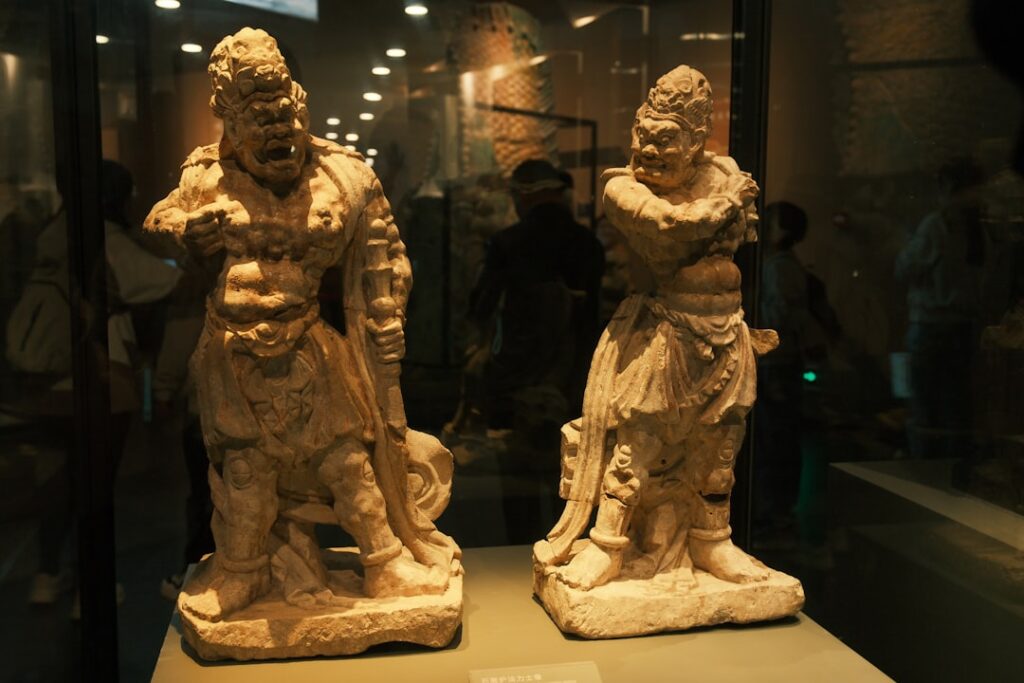
Kerameikos and Site Museums: Open-Air Archaeology
Beyond the major institutions are site museums that offer a more immediate experience of the archaeological terrain. The Archaeological Site and Museum of Kerameikos is near Thissio metro station; orienting address: Ermou & Kerameikos area, Athens 11854. The site was ancient Athens’s cemetery, with stelae, pottery and inscriptions that tell the civic and funerary life of the city. Opening hours (indicative): 08:00–15:00 in winter, 08:00–20:00 in summer; closed on certain holidays. Tickets: generally around €8–10 for the site and the small museum; reduced rates for students and seniors.
The on-site museum displays objects found there, from finely decorated funerary urns to personal ornaments recovered from tombs. A stroll among the ruins of Kerameikos is particularly moving at sunrise or late afternoon, when the light chisels the contours of stones and tombs. The site is mostly outdoors, so bring sun protection, water and comfortable shoes — a walk over uneven ground can take 45 minutes to two hours depending on your pace.
Practical tips: pair Kerameikos with a walk through the Psiri neighborhood for a typical lunch — mezzes and simple Greek dishes at reasonable prices. On-site English information can be limited; download or bring a guidebook or app about inscriptions and Greek funerary rites. If you’re into architectural and texture photography, favor late afternoon for longer shadows. Also note that in winter the site may close earlier some days: always double-check seasonal hours.
General Practical Tips for Visiting Athens’s Archaeological Museums
To get the most out of your archaeological immersion in Athens, here are practical tips based on local experience and common museum practices:
- Skip-the-line tickets: buy tickets in advance for the Acropolis Museum and the National Archaeological Museum, especially in high season (May–Sept). Timed entry avoids losing hours in queues.
- Free days: several museums offer free-entry days (for example the first Sunday of each month outside high season or certain national holidays) — check schedules if you’re traveling on a tight budget.
- Transport: most museums are reachable by metro or tram; line 3 (the blue metro) connects the airport to the center, and the Acropolis metro station is the most convenient for the Acropolis Museum. Get a rechargeable transport card (Ath.ena card) if you’ll be doing many trips.
- Quiet hours: arriving early in the morning or after 16:00 often helps you avoid tour groups. Air-conditioned museums are also a good refuge during the hottest part of the day.
- Respect the rules: no flash, no tripods without permission, and respect barriers around fragile works. Audio guides and explanatory panels in English are usually available.
- What to wear: choose light layers, but bring a scarf or light jacket for air-conditioned rooms. If you visit outdoor sites (Acropolis, Kerameikos), wear closed, comfortable shoes.
- Photography: most museums allow personal, non-flash photography, but check signs at the entrance of each gallery.
CONCLUSION
Time-traveling in Athens means accepting the continuity of a civilization through its objects: pots, statues, inscriptions, plants and jewelry become narrators of an extraordinarily vivid past. Athens’s archaeological museums complement the ruins you see around the city; they structure the historical narrative, add depth to the stones, and place each fragment within a readable chronology. From the expansive, encyclopedic National Archaeological Museum to the Acropolis Museum, closely tied to the sacred hill, through the Museum of Cycladic Art and the Byzantine and Christian Museum, each site offers a different perspective on what it has meant to be Greek across ages.
Take the time to plan your visits, buy tickets in advance when needed, and choose the best hours for photographing or avoiding crowds to ensure a richer, less stressful experience. Site museums like Kerameikos provide a direct encounter with the archaeological ground — ideal for those who want to feel the same soil beneath their soles as past inhabitants did. Above all, remember that behind each display case are human stories: craftsmen, soldiers, consecrated women, merchants — lives the museums restore a voice to.
In short, visiting Athens’s archaeological museums is both a history lesson and an invitation to contemplation. It sharpens your gaze, ties objects to narratives, and teaches you to read the signs left by successive generations. Whether you’re on a quick stopover or a longer stay, let curiosity lead you, take notes, chat with curators when you can, and above all give yourself moments of silence in front of the works: that’s often when the time-travel experience becomes deepest.