


Introduction: Dive into Apokries — Athens’ carnival between tradition and modern life
Every year at the tail end of winter, Athens bursts into color, music and unapologetic exuberance: it’s Apokries, the Greek carnival. More than a string of parties, Apokries is a cultural season blending folk rites, social satire, music and food. In Athens, where Ancient history sits alongside a bustling urban life, the carnival takes many shapes — from elegant costume balls in downtown clubs to loud street parades and urban reinventions of rural traditions. For the curious traveler, it’s the perfect moment to see how pagan and Christian rites overlap: people celebrate freedom before Lent, poke fun at the powerful, follow the smoky scents of grilled meats and launch kites to welcome spring.
Apokries in Athens typically unfolds over three weeks, each with its own tone: the first is family-friendly and playful, the second focuses on meat and feasts (the famous Tsiknopempti, or « Barbecue Thursday ») and the final week is more spiritual, culminating in a symbolic cleansing on Kathara Deftera (Clean Monday), when families head outdoors for kite-flying and simple fish-and-vegetable meals. In the capital, neighborhoods like Psyrri, Plaka, Monastiraki, Exarchia and Koukaki stage their own events: costumed markets, group karaoke, street performances, and nights dancing to rebetiko or Greek pop.
What draws visitors to Athens during Apokries is the mix of authenticity and creativity: you might catch a traditional costume parade near the Monastiraki market, grab a souvlaki after a mask-making workshop, then drop into a family-run taverna for moussaka and loukoumades while sitting with locals in costume. To get the most out of it, though, you need to know the right spots, the timing of major events, neighborhood gems and a few local etiquette tips. This guide gives you a full, immersive run-down of Carnival in Athens: popular traditions, must-see parades, places to eat, drink and get costumed, plus practical tips to plan a stress-free trip with exact addresses, rough prices in euros and opening hours to help you navigate on the ground.
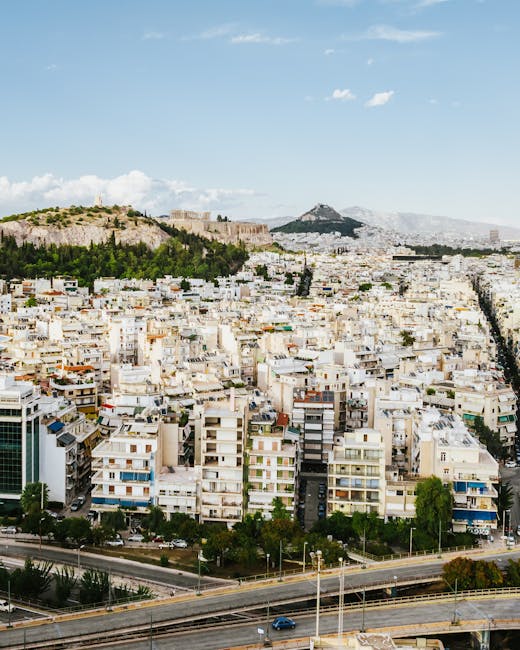
 Click here to explore the Acropolis and the Plaka neighborhood
Traditions and rituals of Apokries: understanding Athenian customs
Apokries (Απόκριες) literally means « getting rid of meat » — a direct nod to the Lent that follows. In Athens, the tradition mixes religious and festive elements, heirs of ancient rites adapted to contemporary city life. The period starts three weeks before Kathara Deftera (Clean Monday) with defined stages: Prophoniki (preparation), Kreatini (meat week) and the final, more spiritual week when people ready themselves for Lent.
Tsiknopempti (Τσικνοπέμπτη), often called « Smoky Thursday » or « Barbecue Thursday, » is one of the highlights. Celebrated on the Thursday of the second week, it’s devoted to grilled meats — central streets and squares like Adrianou Street (Adrianou 24–28, 10555 Athina) or Monastiraki Square (Monastiraki Square, 10555) fill the air with the smell of gyro and souvlaki. Families and friends gather for big meals. Typical hours: tavernas often open from noon and stay lively until 00:30–01:00. Average prices: a souvlaki around €2.50–€4, a shared meat platter €8–€18 depending on the taverna.
The final day of Apokries, Kathara Deftera, marks the start of Lent. Traditionally Athenians head to the seaside or parks for a symbolic « cleansing » and to fly kites (a deeply rooted habit). Nearby beaches like Kavouri Bay (Kavouri Beach, Vouliagmeni) or the Glyfada peninsula turn into playgrounds for families. Foods served that day are typically meat-free: taramosalata (fish roe dip), lagana (flatbread, notably sold at Ariston Bakery, Akti D. Eginitis 4, Piraeus 18537), and simply grilled fish. Indicative prices: taramosalata €4–€6, grilled fish €12–€25.
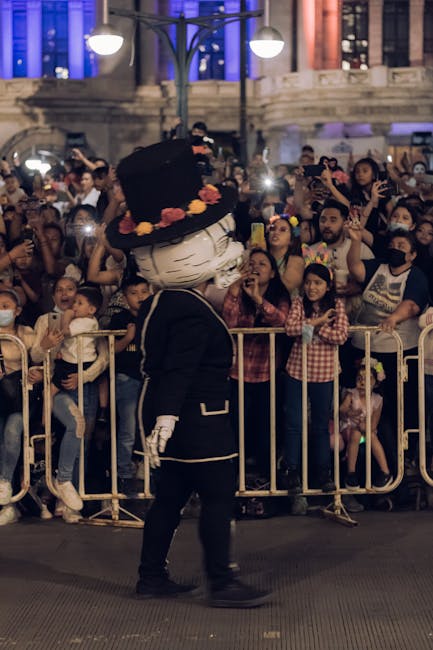
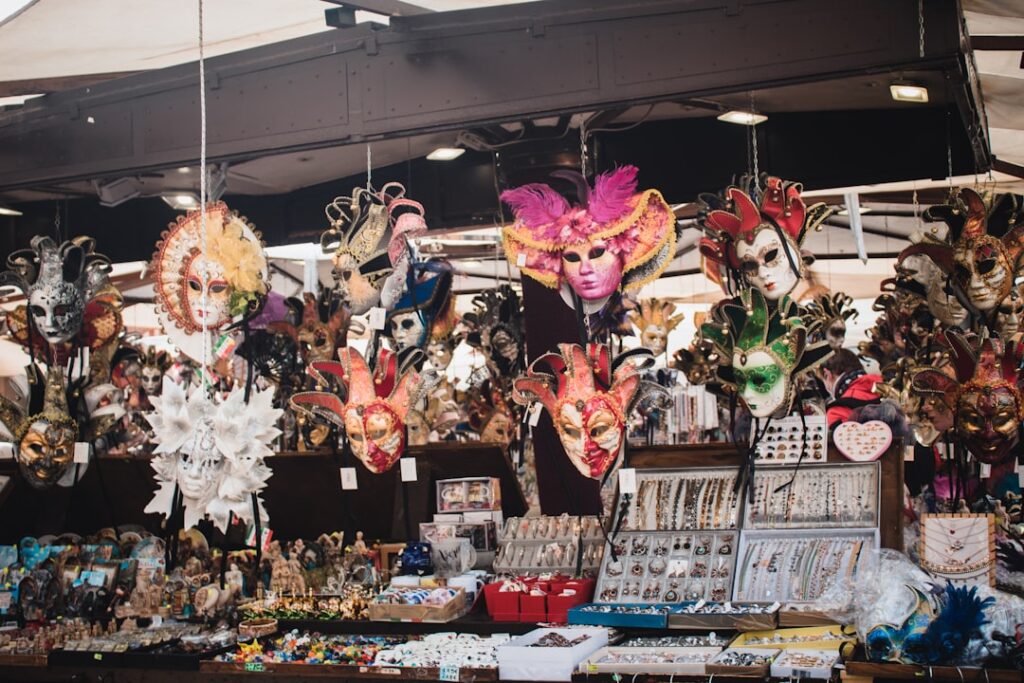
Other customs include masked balls (often hosted in municipal halls, clubs or restaurants), satirical processions and temporary social role reversals — people mock authority, wear masks and swap roles. Mask- and costume-making workshops pop up in places like Athens Crafts Workshop (Drakou 7, Plaka; hours vary by event — check ahead; workshops often run 10:00–18:00, prices €15–€40 depending on length).
Click here to become an ancient sculptor and create a Greek masterpiece
Parades and major events in Athens: where, when and how to join in
If you visit Athens during Apokries, several events draw both locals and visitors. Exact dates change each year (based on the Orthodox Easter calendar), but here are the can’t-miss gatherings and how to get to them. The city center hosts most of the action: Syntagma, Monastiraki, Plaka, Psyrri and Koukaki are the busiest hubs.
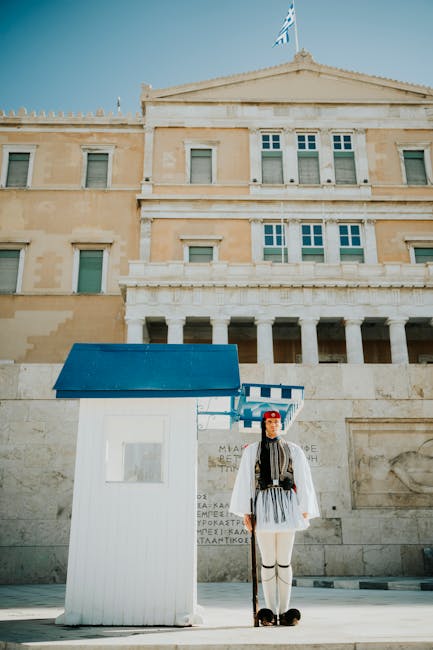
Syntagma and Constitution Square (Syntagma Square, 10563 Athina) often host official events and street shows. Although the square isn’t a commercial address, it’s a key meeting point: aim to arrive early (16:00–18:00) to secure a good spot for late-afternoon parades. Evening shows can run until 22:00. Watching is free, but some private events (costume balls) charge €15–€40 for entry.
Monastiraki and its square (Monastiraki Square, 10555) have a more bohemian vibe: markets, live music and impromptu parades. Around Adrianou Street (Adrianou 1–40, 10555 Athina), shops stay open and restaurants serve special Apokries menus. For a paid but memorable panorama, the Acropolis Museum (Dionysiou Areopagitou 15, Athens 11742) sometimes hosts special evenings with views of the lit-up Acropolis; usual hours: 09:00–20:00 (high season), admission €12–€20 for adults (reduced rates for students and seniors).
Psyrri (Psyrri Square, area around 14 Agias Theklas and Sarri Street) is the nightlife heart. Bars like Brettos (41 Kidathineon, Plaka, 10558) stay open late (11:00–02:00) and serve ouzo, brandy and traditional cocktails. Local tavernas organize nights with live rebetiko and bouzouki music; you’ll find concerts for every budget: free entry with a minimum drink spend €8–€15, or ticketed shows €10–€30 depending on the headliner.
For more family-focused parades, check the Municipality of Athens events page or head to the Stavros Niarchos Foundation Cultural Center (SNFCC, 364 Syngrou Ave, Kallithea 17674), which, in addition to cultural programming and concerts, often schedules kid-friendly activities and costume workshops. SNFCC hours: park open 06:00–22:00, buildings 09:00–22:00 depending on exhibitions; many Apokries events are free but ticketed workshops typically cost €5–€20.
Click here to visit the Acropolis Museum with an expert guide
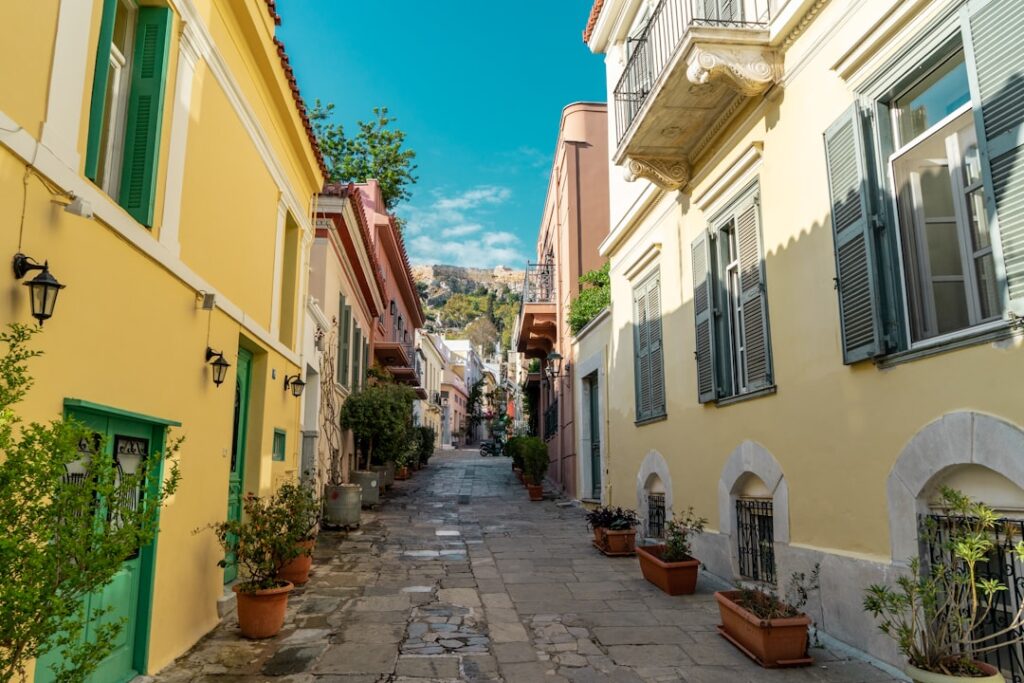
Hidden local spots: cafés, tavernas, workshops and shops to experience Apokries like a local
Athens is full of small places where Apokries is enjoyed in a different, more intimate way. Here’s a curated list of specific venues with addresses, hours and tips for an authentic experience.
- Ta Karamanlidika tou Fani — Sokratous 1, 10552 Athina (Monastiraki). Hours: 09:00–22:00 (closed some Sundays, check ahead). What to expect: a Greek charcuterie and traditional meze served in a restored Ottoman-era shop. Tip: try the prassino soutzoukaki and the shared meze platter (€12–€22 per person depending on dishes). Book ahead for Apokries evenings.
- Kuzina — Adrianou 9, 10555 Athina (Thissio/Monastiraki). Hours: 12:30–23:00. What to expect: a contemporary restaurant with a terrace offering partial views of the Acropolis. During Apokries they run a special festive menu around €25–€40 per person (tasting menu). Practical tip: arrive before 20:00 to enjoy the sunset view.
- Taverna Klimataria — Messologhiou 15, 10561 Athina (Plaka). Hours: 12:00–23:30. What to expect: a classic family-run taverna with live music on some nights. Typical dishes: moussaka €8–€12, grilled fish €14–€26. Tip: ask for a table near the music corner for a more immersive atmosphere.
- Brettos Bar — Kidathineon 41, 10558 Athina (Plaka). Hours: 11:00–02:00. What to expect: the city’s oldest distillery-bar, decorated with colorful bottles. Specialties: ouzo-based cocktails and house liqueurs, drinks from €4. Tip: for a tasting, order a flight of small glasses (about €10–€15).
- Athens Crafts Workshop (mask workshop) — Drakou 7, Plaka (workshop schedule varies). Hours: workshops often 10:00–18:00 during Apokries. Price: €15–€40 depending on duration and materials. What to expect: hands-on sessions to make masks and accessories, great for families. Pro tip: sign up online in advance to avoid cancellations.
- Ariston Bakery — Akti D. Eginitis 4, Piraeus 18537. Hours: 07:00–20:00. What to expect: famous for lagana (the traditional flatbread of Clean Monday). Price: a lagana around €3–€6 depending on size. Tip: buy your lagana the morning of Kathara Deftera and enjoy a seaside picnic.
For costumes and accessories, head to the shop « Carnival » (example address: Evripidou 10, 10554 — Evripidou street is famous for spices and festive shops) or the pop-up markets in Psyrri where local makers sell handcrafted masks (prices €10–€60 depending on quality). For food souvenirs, look for canned sardines and jars of bitter orange marmalade in the delicatessens of Plaka and Monastiraki.
Click here to discover Greek cuisine with a food tour
Practical tips to prepare your trip to Athens during Carnival
Visiting Athens during Apokries is a fantastic idea, but a few practical tips will help you enjoy it without surprises. Here’s a practical guide covering transport, safety, budget and small gestures to respect local customs.
Transport: Athens’ metro is efficient and handy. Key stations: Syntagma (Syntagma Square), Monastiraki (Monastiraki Square), Acropolis (between Syngrou-Fix and others). Hours: the metro generally runs 05:00–01:00 (times may be extended for events). Fare: single ticket €1.20–€1.40 (check current rates), day passes €4.50–€9 depending on the option. Buses and trams complete the network and are useful for reaching beaches or the Stavros Niarchos Foundation Cultural Center (SNFCC).
Budget and payments: carry small bills and coins for markets and neighborhood tavernas; most places accept cards, but some stalls and small shops prefer cash. Indicative prices: a coffee in the center €2–€4, a beer €4–€6, a simple meal €8–€18. Expect to add 10–15% in touristy restaurants near the Acropolis.
Safety and crowds: carnival events draw crowds. Keep valuables close (bag in front) and avoid very tight alleys during large gatherings. In an emergency call 112 (European emergency number). If attending a big parade, pick a meeting point and a local contact number for your group.
Respecting local customs: joining in is great; imposing your own rules less so. If you’re invited to a taverna or neighborhood party, accept the hospitality with humility, taste and share. Avoid throwing items during satirical processions (throwing confetti is usually OK, but check local practice). For Kathara Deftera picnics, be respectful: don’t leave litter, use public bins and favor local produce.
Logistics and accommodation: book early. Convenient neighborhoods: Plaka for historic charm, Monastiraki for market and metro access, Koukaki for neighborhood restaurants, Psyrri for nightlife. Price ranges: hostels €15–€35/night, 2–3 star hotels €60–€100, 4-star hotels €120–€220 depending on season. During Apokries expect a slight price bump if major events are scheduled.

Conclusion: between popular celebration and cultural immersion — planning your Apokries in Athens
Apokries in Athens is an invitation to see the city through a lively, popular lens. Between age-old traditions, shared meals and spontaneous performances, the carnival offers experiences for both curious travelers and families seeking fun. To make the most of your visit, mix attending official events (parades, workshops, concerts) with exploring neighborhood gems — family-run tavernas, historic bars like Brettos, mask workshops and bakeries that specialize in lagana. These often low-key places are where the most authentic memories are made.
Plan ahead: check Apokries dates for the year you’ll travel (they vary with the Orthodox calendar), book accommodation and restaurants if you plan on concerts or private balls. Set a flexible budget to sample specialties like the meze at Ta Karamanlidika tou Fani (Sokratous 1, 10552) or a dinner with a view at Kuzina (Adrianou 9, 10555). Use the metro and tram to avoid traffic, and always carry some change for street purchases.
Respect local customs: Athenians love to celebrate but they also value tradition and heritage. Don’t leave rubbish at Kathara Deftera picnics, be tolerant during noisy moments and, when invited into a neighborhood taverna, embrace conviviality and sharing. Above all, let yourself be surprised: around a Plaka corner or in Monastiraki Square you might stumble upon an impromptu band, a maker selling handmade masks or an unexpected parade — moments that make the Athens carnival truly magical.
In short, for a successful Apokries in Athens: research events in advance, favor local neighborhood spots for meals, book when needed and keep an open heart for encounters. The city, where millennia of history meet contemporary life, will welcome you with warm colors and lively energy — where every costume tells a story and every meal becomes a celebration of Greek taste. Safe travels and Καλή Ανάσταση (if the season applies) — and most of all, καλό καρναβάλι (happy carnival)!