


Introduction: Discovering Greek Cheeses in the Heart of Athens
Athens is a city where ancient history rubs shoulders with everyday modern life: cobbled lanes, neighborhood tavernas and — above all — markets that pulse with the rhythm of the city. For cheese lovers, the capital is a destination in its own right. From the stalls of the Central Municipal Market (Varvakios) to the bustling alleys around Monastiraki Square and the small artisan groceries scattered through the historic neighborhoods, you’ll find an astonishing variety of cheeses — from rustic farmhouse wheels to finely aged specialties — that tell the stories of their home regions (Naxos, Crete, Aegina, Lesvos, Tinos…) and of Greek culinary life.
This guide offers a sensory, practical immersion into Athens’ markets so you can spot, taste and buy the most emblematic Greek cheeses. It lays out where to go, exact addresses, times to avoid the lull, realistic price ranges in euros, plus precise descriptions — texture, flavor, how to store — for each recommended cheese. You’ll also find local tips: how to haggle with a vendor, how to ask for a tasting portion, which cheeses travel well in your carry‑on, and how to build a truly Greek cheeseboard to enjoy at your hotel or on a picnic in an Athenian garden.
Athens’ markets are living spaces where voices rise, where you breathe in thyme and olive oil, and where the clink of scales and the vendors’ smiles are all part of the scene. You’ll spot stacks of graviera wheels, barrels of feta soaking in brine, small spicy cured cheeses (kopanisti) and warm local ricotta (mizithra) still steaming. Beyond the products themselves, this guide helps you decode labels (PDO/ΠΟΠ, island origin, fresh vs. aged) and choose cheeses by use — cooking, salad, spread, tasting board.
To make your route easier, I’ve included visual reference points  and full addresses to get you started. Whether you’re a quick visitor wanting a house platter for an evening on a terrace with an Acropolis view, an amateur chef hunting a rare aged cheese, or a curious traveler bringing home a local specialty, this guide will walk you step‑by‑step through the best Greek cheeses to discover in Athens.
1. Varvakios Central Municipal Market (Athinas Street): A Temple of Authentic Cheeses
The Central Municipal Market, commonly called Varvakios Market, is the first stop for anyone wanting to explore Greek cheeses. Address: Central Municipal Market, 42 Athinas Street, Athens 10551. Opening hours: open Monday to Saturday, typically from 06:00 to 15:00 (some stalls close earlier — aim for a visit between 08:00 and 11:00 to get the freshest selection). Indicative prices: feta in brine from €8–18/kg depending on quality and designation, graviera €9–20/kg, kefalotyri €12–22/kg. Traditional stalls often list prices per kilo and sell olives, olive oil and local charcuterie alongside the cheeses.
Immersive description: Right from the entrance, the salty scent of feta mixes with the aroma of fish and spices. Warm‑gold graviera wheels with thin rinds sit next to baskets of fresh mizithra and creamy manouri. Sellers — often third‑generation — will offer you a slice of cheese drizzled with olive oil and dusted with oregano. Textures vary: traditional feta is crumbly and salty, graviera has a firmer, slightly sweet paste, and fresh mizithra is grainy and milky.
Practical tips: Always ask for “μισό κιλό” (miso kilo — half a kilo) to start so you can taste several cheeses before committing to a larger purchase. To preserve feta bought at the market, ask the vendor to put it in clean brine — it will keep for several days in the fridge. Early hours guarantee produce from the day’s milking, especially for mizithra and manouri.
Buying recommendations by use: for a classic Greek salad (Horiatiki), buy a block of firmly pressed feta, suggested weight 250–500 g (≈ €2–5 per serving). For cooking (briam, saganaki), opt for kefalotyri or graviera (200–500 g ≈ €2–10). For dessert or a milder board, choose manouri (400–800 g ≈ €4–14).
 Click here to book a market visit and cooking class
2. Monastiraki Flea Market and Surrounding Alleys: Cheese Curiosities and Street Tastings
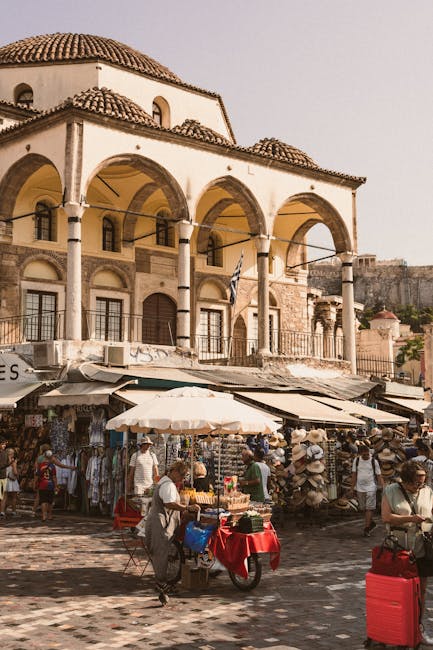
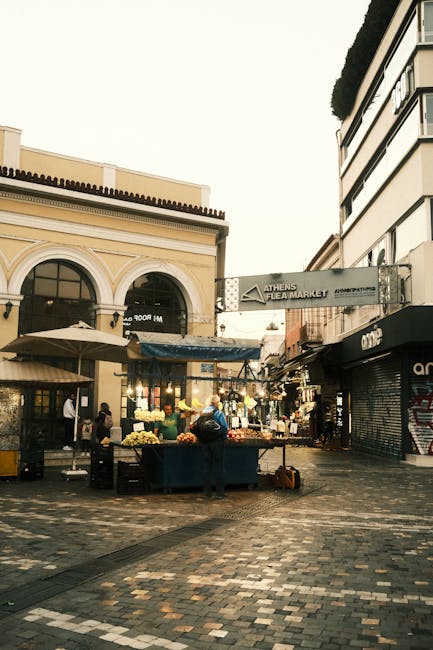
The Monastiraki neighborhood has a different vibe: less wholesale and more retail, focused on ready‑to‑eat specialties and small fine food shops. The main axis is Ifestou Street, which runs along Monastiraki Square (Monastiraki Square, Athens 10555). Hours: most shops and kiosks open between 09:00 and 10:00 and close around 20:00; the flea market is lively all day and quieter early in the morning. Prices: grilled cheese snacks (saganaki) sold at small stalls range €3–8 per portion; bags of marinated feta cubes €4–10 depending on weight.
Immersive description: Wandering Monastiraki you’ll see ready‑to‑eat cheese platters made for strolling: slices of halloumi or grilled kefalotyri seared on the hot stone, skewers of marinated feta cubes, little pots of manouri drizzled with honey. The small local shops also sell olive tapenades, thyme honey and fig preserves — perfect accompaniments for an impromptu plate. Stalls tempt passersby with samples, a friendly way to appreciate the difference between a sheep feta and a mixed sheep‑goat feta.
Local tips: taste before you buy, especially with marinades (chili, roasted pepper, herbs). Ask « Δοκιμάζω; » (Dokimazo? — May I taste?) — most vendors will happily offer a small bite. For bringing cheeses back to Europe, pack hard, aged cheeses (graviera, kefalotyri, kasseri) rather than brined cheeses, or buy vacuum‑sealed portions available at some delis.
Suggested route: start your morning with a coffee on Monastiraki Square, walk Ifestou Street toward the flea market, stop at an artisan grocery for a portion of saganaki (€3–6) and finish with a small wheel of graviera (≈ €9–15/kg). If you plan a picnic in Anafiotika (under the Acropolis), you can have a perfect board ready in under 30 minutes.
Click here to discover Greek street food with tastings
3. Artisan Delis and Cooperatives to Know: Local Cheesemakers and Island Specialties
Beyond the markets, Athens hosts fine food shops and cooperatives that select and package Greece’s best cheeses. Landmarks: the Central Municipal Market remains the gateway, but look out for specialist shops in the historic center (areas like Plaka and Psyri, around Mitropoleos and Adrianou — a convenient reference: Adrianou 24, Athens 10555 near the Roman Agora). Hours: most open 09:00–19:00, with some closing mid‑afternoon between 15:00 and 17:00. Prices: artisanal island cheeses (Naxos graviera, Chios ladotyri) can range €12–28/kg depending on rarity and aging.
Immersive description: these shops often offer vacuum‑packed products and PDO (ΠΟΠ) labels, which makes transporting them easier on long trips. You’ll find rare island cheeses such as ladotyri (salted cheese preserved in olive oil, typical of the Aegean islands), fiery cheese pralines (kopanisti from Lesvos) and Aegina’s goat cheeses (kefalograviera or locally aged varieties). Vendors are usually well informed about origin, the type of milk (sheep, goat, cow) and the best culinary uses.
Buying and storage tips: vacuum‑packed cheeses can be left unrefrigerated for a few hours, handy for a day of excursions. For brined cheeses, ask for airtight packaging and a small cooler if you have a long journey. At the hotel, keep feta in its brine in an airtight container and store aged cheeses wrapped in cheese paper or breathable film.
Recommended selections by mood: if you’re cooking — Naxos graviera for gratin; if assembling a board — kopanisti for punch, manouri for creaminess; for a unique souvenir — ladotyri (cheese preserved in olive oil), often sold in small jars for €6–18 depending on size. Ask the vendor to slice a tasting piece with a knife: texture and aroma tell you everything about a cheese’s quality and age.
[[IMAGE:Naxos graviera cheese wheel display Athens shop]]
4. Neighborhood Markets and Practical Tips for Transport and Tasting
After visiting the main markets and specialist shops, explore neighborhood markets for more intimate finds: Koukaki market (Leoforos Veikou area), small groceries in Plaka and weekend organic markets (check local boards for locations and schedules). General reference: Leoforos Athinon and adjacent streets around the central market host many neighborhood shops. Hours and prices: neighborhood markets often open 07:00–14:00 on weekdays, some stay open into the early evening on Fridays; prices are competitive, usually slightly higher than wholesale but better for ready‑to‑eat portions (250–500 g €3–10).
Transport tips: if you’re flying, check your airline’s rules for dairy imports. Aged, dry cheeses (kefalotyri, graviera, kasseri) usually clear customs more easily than brined feta. For short trips within Greece, put your purchases in a soft cooler or insulated bag; many hotels have a fridge where you can temporarily store cheeses.
Tasting on the spot: for an authentically Greek board, pair feta (250 g), graviera (200–300 g), manouri (200 g), a few slices of kopanisti (if available) and some thyme honey. Add Kalamata olives, local bread (bakeries around Monastiraki and Plaka) and a good extra virgin olive oil. Serve feta in a block, graviera in thin slices, manouri shaped into quenelles with honey and walnuts. Estimated budget for a board for 2–3 people: €12–25 depending on the selection.
Local bargaining tips: politeness goes a long way. Start with a smile and a “Kalimera” (good morning). Vendors respond well to clear requests: state the weight you want and ask for a pairing suggestion (olive oil, honey, or a local wine). For larger purchases (several kilos), bargaining is possible, especially if you pay in cash.
Click here to taste wines and cheeses near the Acropolis
Conclusion: Take Home a Piece of Greece — Final Tips for Your Cheese Hunt in Athens
Athens’ markets offer a full experience for anyone wanting to discover Greek cheeses: from the spectacular Varvakios Market, a true cathedral of fresh produce, to Monastiraki’s cosmopolitan alleys and the small artisan delis in the historic center. Each stop brings its own aromas, textures and regional stories. By following the recommended hours (mornings at the central market, daytime for Monastiraki) and accepting vendors’ invitations to taste, you’ll gain confidence in identifying your favorite cheeses and head home with products suited to your needs — immediate tasting, cooking, or souvenirs.
Practically speaking, remember: favor aged cheeses for long journeys, ask for brine for your feta, wrap items carefully and always request tasting portions before buying. Don’t hesitate to ask for pairing suggestions (olive oil, honey, olives) to create a board that highlights each cheese. For the complete experience, pair your shopping with lunch at a taverna near the market: a fresh Greek salad will show you instantly how feta behaves in its natural setting.
Finally, be curious: ask where a cheese comes from, how it’s made, and if possible note the cooperative or producer’s name. These details enrich every bite because they tell of terroir, season and ancestral know‑how. Athens, with its vibrant markets and lively streets, is the perfect place to learn about Greek cheeses — and to take home, in your bags and memories, a true piece of Greece.
Click here to explore Athens on a food tour