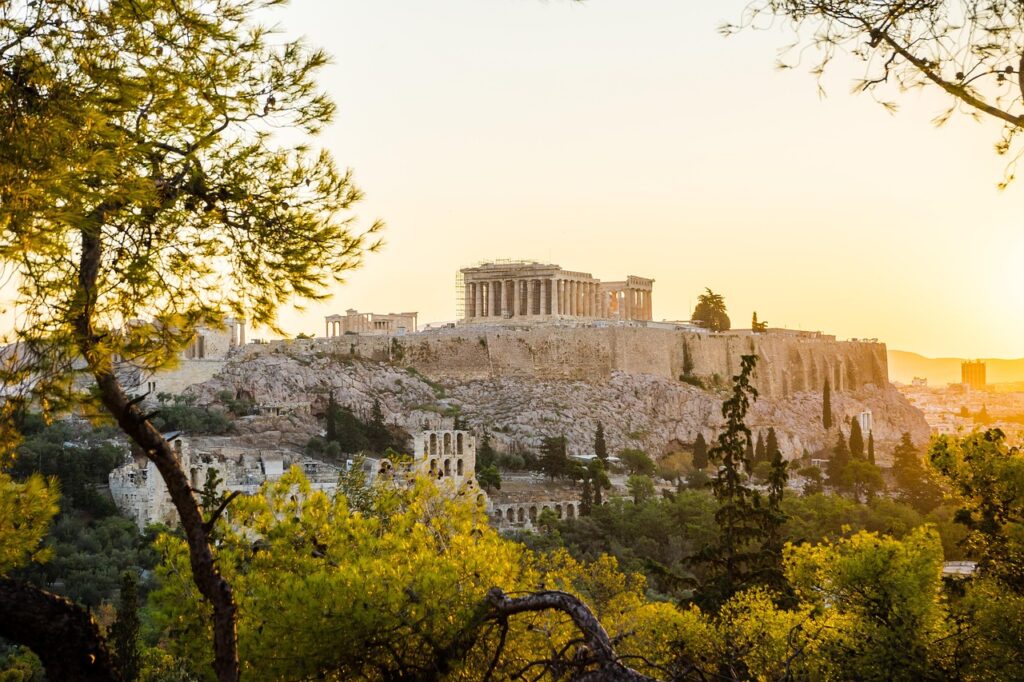


Introduction: A cultural day in Athens — museum itinerary
To dive into Athens in a single day is to take a walk across three millennia of history, art and daily life. This city — the cradle of Western democracy — packs an impressive number of museums that tell the long story of ancient, Byzantine and modern Greece. The itinerary I propose here is aimed at discerning travelers who want to make the most of a day devoted to museums: a compact route, mindful of time, but rich in meaningful visits. It mixes major must-see institutions, lesser-known thematic museums and practical tips to optimize transfers, ticket buying, breaks and local food discoveries.
The day starts at the foot of the Acropolis, in one of Europe’s most modern museums, continues toward Athens’ civic heart — the Agora — then calls for a tram ride or short taxi trip to the National Archaeological Museum. Late afternoon brings a detour to cycladic and Byzantine collections to round out the picture: from monumental marbles to religious icons, from stylized figurines to everyday objects, each museum offers a different angle on Greek culture. The plan takes opening hours, prices, location and recommended visit length into account, plus local tips — best times to avoid crowds, where to grab a quality coffee, and how to get around using Athens’ metro.
This guide is practical and immersive. Each section provides the exact address, prices in euros (standard and reduced rates when known), and typical official opening hours so you can plan your day precisely. Detailed descriptions will help you understand why each museum deserves a longer visit: the masterpieces not to miss, often-overlooked sections that are nonetheless worth seeing, as well as visiting tips (audio guides, luggage accessibility, café and museum shop locations).
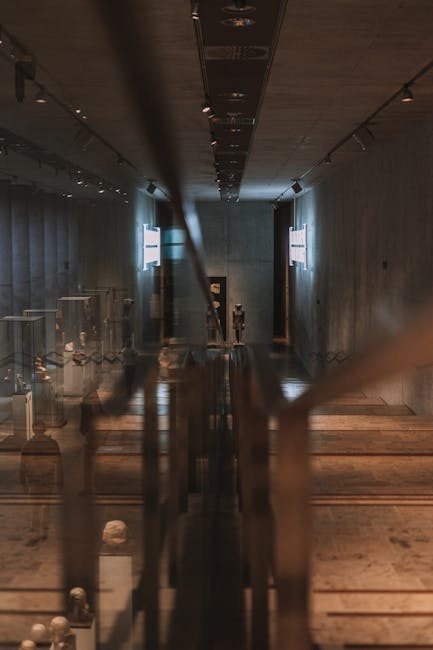
Also, since a day in Athens is a search for beauty, I offer visual cues via suggested images to insert if you use this text online or in print. These visual markers correspond to concrete scenes, for example “Acropolis Museum interior glass walkway” or “Ancient Agora Stoa of Attalos museum facade”, to illustrate the experience and give an immediate visual preview. Treat these images as suggestions to enhance the immersion of your article, website or brochure.
Pack comfortable shoes, a reusable water bottle (public fountains are common), and a transport card for the day: follow this itinerary to experience a full cultural day in Athens, where every museum room becomes a passage between past and present. This guide accompanies you step by step, with practical details and precise local recommendations so you can get the most out of your day.
1) Morning — Acropolis Museum: stepping into history beneath the sacred hill
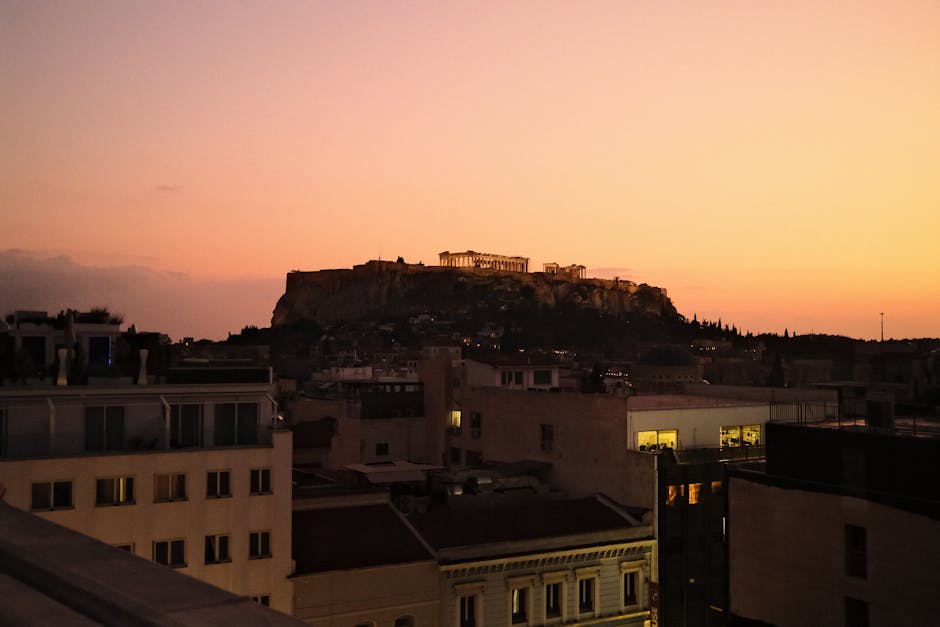
Start your day at the Acropolis Museum, located at the foot of the Acropolis. Address: Acropolis Museum, Dionysiou Areopagitou 15, Athens 11742. It’s the ideal entry point to understand the historical and artistic meaning of the monuments you can see from the hill. The museum is designed to dialogue with the Acropolis: large glass bays, terraces and a layout that recreates the placement of friezes and sculptures.
Opening hours: typically April–October: 08:00–20:00, November–March: 08:00–16:00. Closed January 1st, December 25th and some public holidays; hours may vary by season and day, so check before you go. Admission: full price ≈ €10 (reduced ≈ €5 for students and certain categories). Temporary exhibitions may cost extra; combined tickets with the Acropolis archaeological site are sometimes available depending on the season.
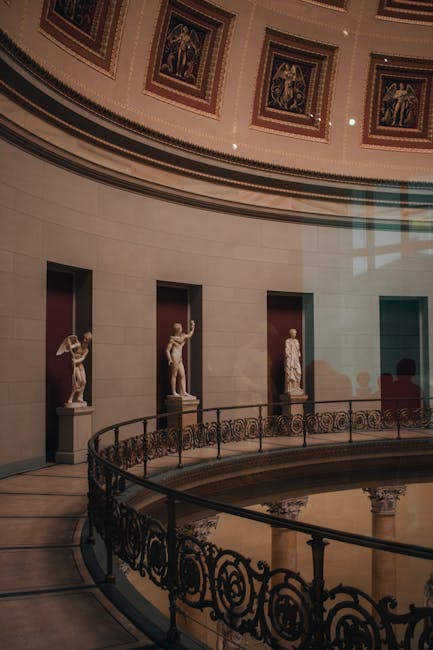
What to see? The museum’s collections are spread over three levels. The top floor houses the Parthenon Gallery, where the Parthenon marbles are displayed in a circular arrangement, bathed in natural light with views of the Acropolis. The middle floor presents sculptures, reliefs and rich inscriptions that narrate Athens’ civic, religious and artistic life in the Classical period. The lower level contains funerary furniture, archaic artifacts and a sizable collection of everyday objects found on the Acropolis.
Local tips:
- Arrive early (or right at opening) to avoid the crowds and enjoy the morning light that gives the marbles a warm tone.
- Skip-the-line ticket: if you visit in high season, buy your ticket online in advance to save time. The museum often operates a timed-entry reservation system.
- Visit length: 1.5–2 hours is a good compromise to see the highlights without rushing. Allow more time if you’re passionate about classical sculpture.
- Café with a view: the museum café/restaurant has a panoramic terrace overlooking the Acropolis — perfect for a break with Greek coffee or a light salad.
 Click here to book a guided tour of the Acropolis and museum
Highlights and works not to miss
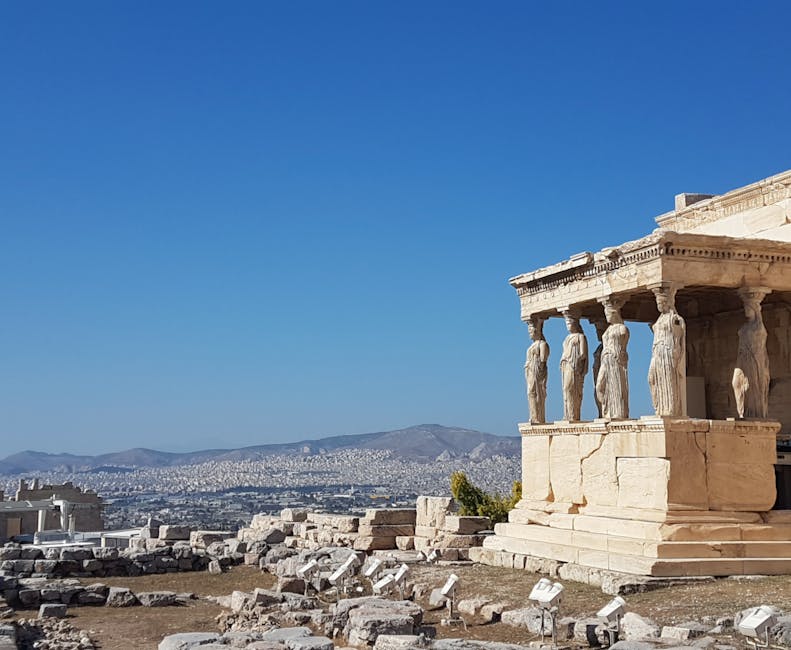
Don’t miss the Parthenon frieze, the Caryatids of the Erechtheion (replicas — originals are at the British Museum/kept in storage for conservation) and the archaic kouroi. The explanatory panels are multilingual (French often available) and the audio guide is recommended for rich historical context.
2) Late morning — Museum of the Ancient Agora (Stoa of Attalos) and a stroll through the Agora
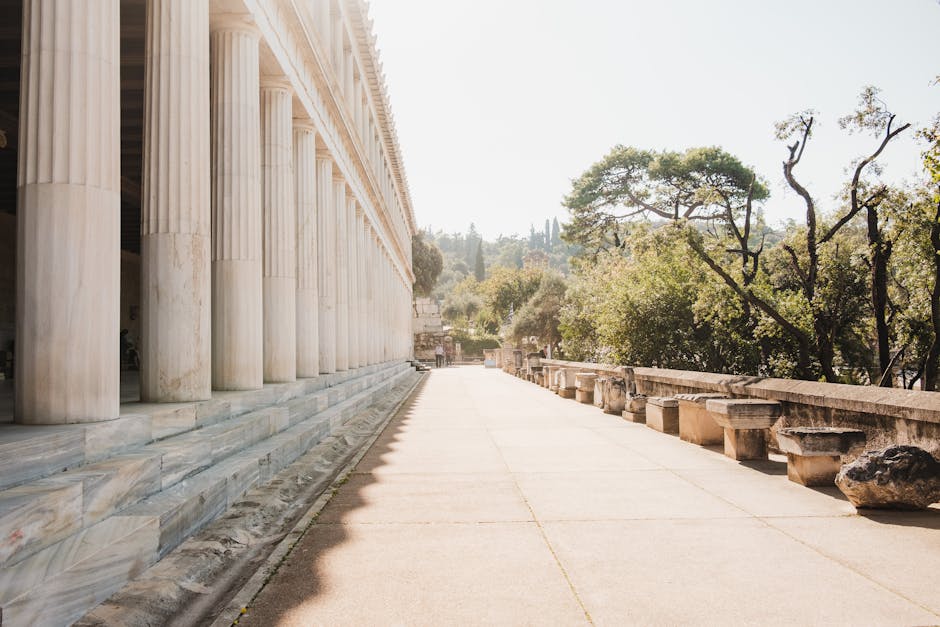
After the Acropolis Museum, head down to the Ancient Agora, the heart of political and commercial life in ancient Athens. The museum is called Museum of the Ancient Agora / Stoa of Attalos Museum and its address is: Adrianou 24, Athens 10555 (entrance via Adrianou, close to Monastiraki). Ruins of the Agora are everywhere, but the museum — housed in the superb reconstruction of the Stoa of Attalos — contains sculptures, steles, inscriptions and civic and religious objects that illuminate how the polis functioned day to day.
Opening hours: generally 08:00–20:00 in high season, with reduced hours off-season; sometimes closed on Mondays, so check before you leave. Price: the combined ticket for the Agora including the museum and archaeological site is around ≈ €10 (reduced ≈ €5). The site is often included in multi-site combined tickets for central Athens attractions depending on the season; ask at the tourist office or check online.
The museum showcases items that tell the story of life in the Agora: public inscriptions, tablets, engraved stones, statues of gods, votive offerings, coins and household elements. Reconstructions and display cases reveal the variety of civic uses — meeting places, courts, merchants. The very architecture of the Stoa of Attalos, with its restored Ionic columns, conveys the scale of a public building: a perfect complement to the Acropolis Museum because it shows the spots of daily life, debate and marketplace activity.
Visiting tips:
- Stroll before or after: wander through the Agora — it’s an open-air site, so bring sun protection in summer.
- Recommended time: 1–1.5 hours for the museum and an extra 30–45 minutes for a quick walk among the ruins.
- Monastiraki: right next door, Monastiraki square has an antiques market and cafés where you can have lunch. It’s also a good area to buy authentic souvenirs.
- Access: Monastiraki metro station (lines 1 and 3) is the closest and makes connections to the Acropolis Museum and other destinations easy.
Click here to book a guided tour of the Ancient Agora
3) Afternoon — National Archaeological Museum: the treasures of ancient Greece
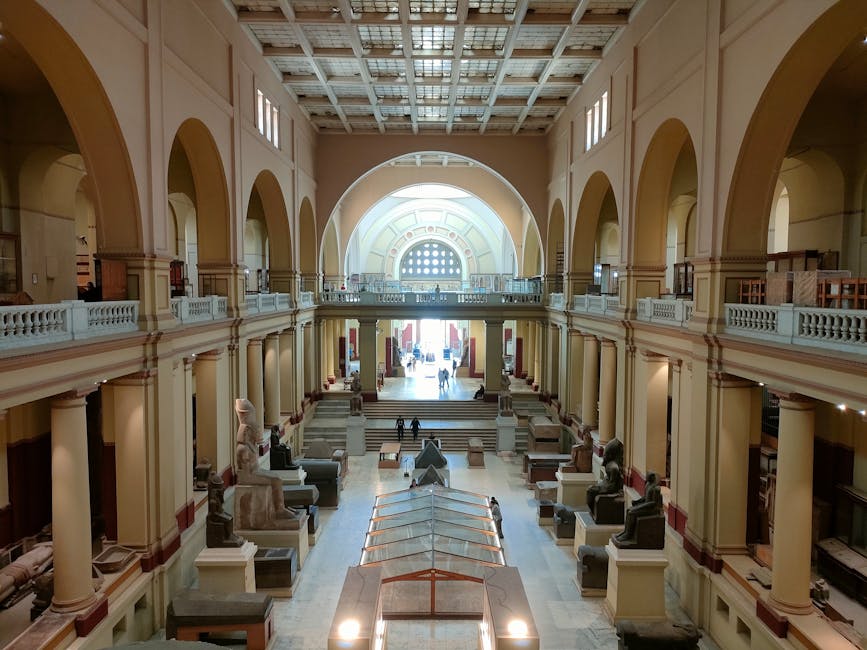
For the afternoon, head to the National Archaeological Museum (Εθνικό Αρχαιολογικό Μουσείο), the country’s largest and one of the richest archaeological collections. Address: National Archaeological Museum, 44 Patission St, Athens 10682. This museum is a must for anyone seeking a broad, chronological overview of Greek civilizations from prehistory through late antiquity.
Opening hours: typically 09:00–20:00 Tuesday to Sunday (closed Mondays), with seasonal variations possible; check the official site for holidays and special exhibitions. Price: full fare ≈ €12, reduced ≈ €6 for students and specific categories. Temporary exhibitions may require a separate ticket.
What’s inside? The collection is vast: monumental statues (the famous “Winged Victory” of Samothrace is not here but there are many other masterpieces), the Mycenaean gold masks (including the so-called Mask of Agamemnon), the treasure of the Cyclades, jewelry, bronzes, frescoes and everyday objects. The prehistoric section (Neolithic and Bronze Age) is outstanding, featuring items like Mycenaean gold artifacts. Galleries are organized by period, making it easy to follow a historical narrative from Minoan/Mycenaean civilization to the Classical era.
Practical tips:
- Allow time: to enjoy it properly, plan at least 2 hours; enthusiasts can easily spend half a day.
- Must-see rooms: the bronze galleries, the Mycenaean collection and the archaic section should be prioritized.
- Accessibility: the museum is adapted for visitors with reduced mobility; ask at the ticket desk about wheelchairs and elevators.
- Break: the museum café offers a calm pause — useful for recharging before finishing your visit.
Click here to book a guided tour of the National Archaeological Museum
4) Late afternoon — Museum of Cycladic Art and a short stylistic detour
In the late afternoon, switch the mood with the Museum of Cycladic Art, a gem for understanding the pure forms and primitive aesthetics that deeply influenced modern art. Address: Museum of Cycladic Art, 4 Neophytou Douka St, Athens 10674. The museum focuses mainly on Bronze Age Cycladic civilizations (insular Greece), Cypriot art and contemporary exhibitions in dialogue with the ancient collections.
Opening hours: generally 10:00–18:00 (extended hours on certain days), closed Mondays; hours vary by season and temporary exhibitions. Price: standard entry ≈ €8–10, reduced ≈ €5. Temporary shows or special events may have separate fees.
Why visit? The famous Cycladic figurines — minimalist silhouettes carved from marble — fascinated modern artists such as Picasso and Modigliani. The museum presents these objects in calm, minimalist galleries that make reading their shapes and proportions especially clear. You’ll also see funerary items, jewelry and ceramics — elements that tell the story of island life and Mediterranean interactions during the Bronze Age.
Tips:
- Atmosphere: the venue often hosts contemporary temporary exhibitions in conversation with the ancient collections — ideal if you enjoy cross-period dialogues.
- Short visit: 1 hour is often enough to see the main pieces; 1.5 hours if you like reading labels and exhibition texts closely.
- Shopping: the museum shop offers carefully made reproductions of figurines and specialist books on Cycladic art.
- Combine: nearby, several contemporary art galleries and design shops are worth a look if you have time to spare.
Click here to discover Cycladic art and craft your own creation
5) Evening — Byzantine and Christian Museum and practical tips for the end of the day
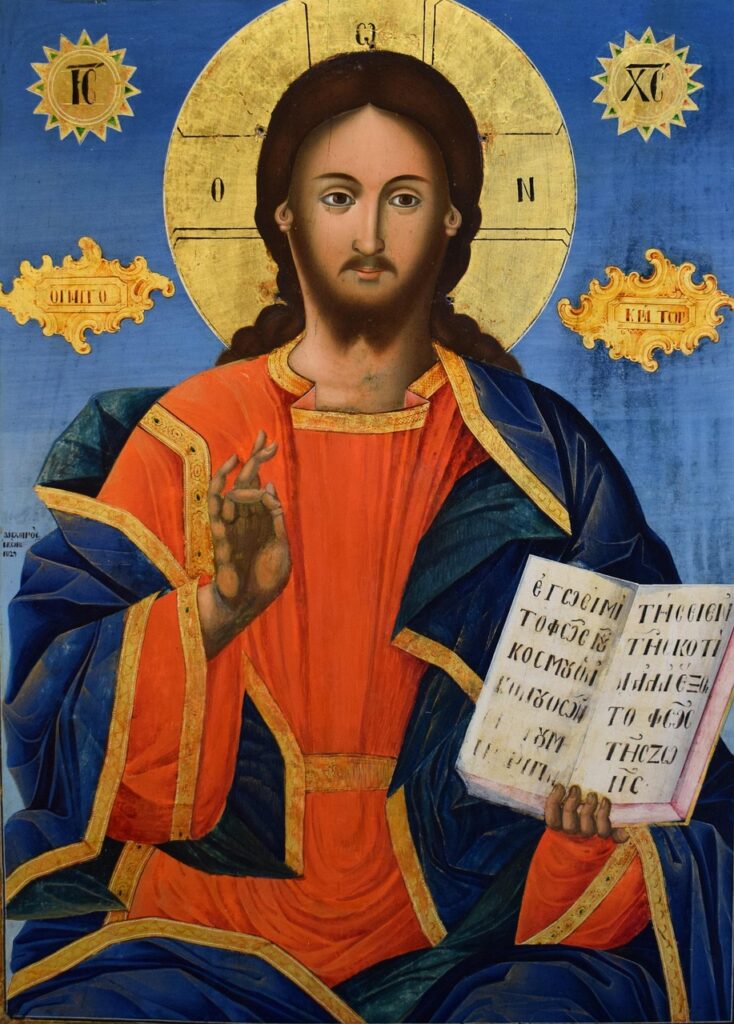
To end the day on a contemplative and spiritual note, visit the Byzantine and Christian Museum, which offers perspective on religious art and Greece’s cultural continuity. Address: Byzantine and Christian Museum, 22 Vassilissis Sofias Ave, Athens 10675. The museum brings together icons, frescoes, textiles, liturgical objects and sculptures that tell the story of the Byzantine Empire and the medieval Christian period in Greece.
Opening hours: usually 09:00–17:00 or 10:00–18:00 depending on season; often closed on Mondays, so check the exact day before visiting. Price: full fare ≈ €8–10, reduced ≈ €4–5. Temporary exhibitions may carry separate charges.
This museum offers a striking contrast to classical marbles and bronzes: here color, gold leaf brilliance and theological imagery dominate. Rooms dedicated to Byzantine icons reveal stylistic evolution and spiritual richness, while the collection of liturgical objects unveils religious and artistic life over many centuries.
End-of-day tips:
- Quiet and contemplation: late afternoon visits work particularly well because the interior lighting highlights the gold and pigments of the icons.
- Duration: 1–1.5 hours is sufficient to appreciate the major pieces and the mosaic room.
- Transport: Evangelismos metro station is nearby, and several bus lines run along Vassilissis Sofias — handy for returning to your hotel or heading out for the evening in Kolonaki.
- Dinner: the Kolonaki neighborhood, close to the museum, has quality restaurants for a contemporary Greek meal; opt for a mezze-style dinner to try several local dishes.
Conclusion: optimize your museum itinerary and final recommendations
Finishing a museum day in Athens means returning home with a deeper understanding of Western cultural roots and the artistic continuity around the Mediterranean. This itinerary, designed to be feasible in a single day, combines major institutions (Acropolis Museum, National Archaeological Museum) and thematic treasures (Museum of the Ancient Agora, Museum of Cycladic Art, Byzantine and Christian Museum) to give you a rounded reading: from politics to religion, from monumental to domestic, from island to mainland.
Some final recommendations to make the most of your day:
- Plan your tickets: buy or reserve online when possible, especially for the Acropolis Museum and the National Archaeological Museum during high season (May–Sept). This lets you avoid long queues and stick to a tight schedule.
- Hours and seasons: adapt your visits to seasonal hours; many museums extend their opening times in summer. Always check official sites the day before for any exceptional closures or holiday hours.
- Transport: the Athens metro is reliable and links Monastiraki, Syntagma and Omonia efficiently. Get a day travel pass if you expect several trips; short walks between certain museums are often the best way to discover the city.
- Meals: plan a short but quality lunch (mezze, Greek salad, grilled fish) near Monastiraki or in Plaka. Museum cafés (Acropolis Museum, National Archaeological Museum) offer quick and comfortable options if you need to stay on schedule.
- Comfort: wear comfortable shoes, bring a hat and a water bottle: even if you spend a lot of time indoors, transfers between museums and archaeological walks require energy.
- Go deeper: for a more thorough experience, consider spreading this itinerary over two days so you can dedicate more time to specialized sections (pre-Hellenic, numismatics, Byzantine arts) and high-quality temporary exhibitions.
In short, Athens lends itself wonderfully to an intensive but balanced museum day: a bright classical morning at the Acropolis, a civic immersion at the Agora, a rich afternoon at the National Archaeological Museum, a stylistic pause at the Museum of Cycladic Art and a contemplative evening at the Byzantine and Christian Museum form a coherent and exciting trajectory. Follow these practical tips to optimize your time, avoid common tourist pitfalls and leave with a more nuanced understanding of Greece beyond the postcards: a living, layered and surprisingly contemporary culture. Happy cultural travels and enjoy your discoveries in Athens!