


Introduction
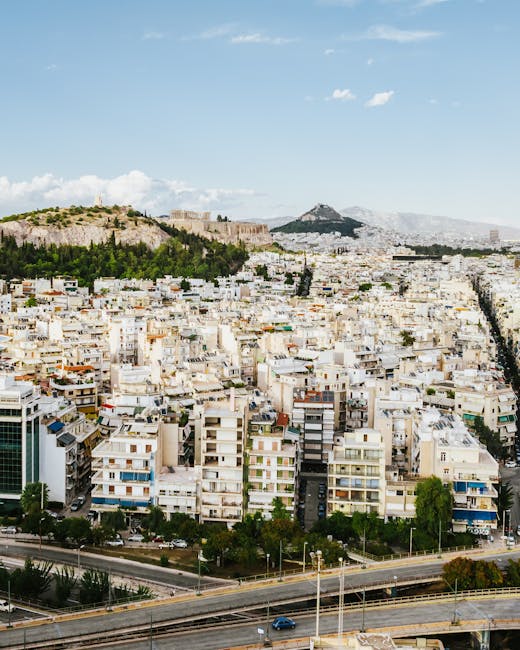
Athens is a city where history greets you on every corner: from the ancient ruins crowning the Acropolis to bustling squares where cafés, markets and Byzantine remnants mingle. For history lovers, Athens is more than a string of outdoor monuments — it’s a constellation of museums that tell, explain and put into context millennia of Greek and Mediterranean history. These institutions hold archaeological treasures, numismatic collections, glittering Byzantine works, everyday objects that make ancient life tangible, and contemporary exhibitions that keep the conversation between past and present alive.
This article highlights the 10 must-visit museums in Athens for anyone passionate about history. The goal is twofold: to provide immersive, practical descriptions of each museum, and to give the concrete details you’ll need to plan your visit (exact addresses, opening hours, indicative prices and local tips). Whether you’re prepping a weekend break or a longer trip, these institutions will help you understand the historical continuity that makes Athens such a remarkable European capital.
You’ll find museums dedicated to deep antiquity, like the National Archaeological Museum, which lays out the major phases of Greek civilization; places focused on specific themes, like the Museum of the Ancient Agora or the Numismatic Museum; and institutions that explore periods less familiar to the general public, such as the Byzantine and Christian Museum or the Jewish Museum of Greece. Each venue offers its own staging, lighting and sometimes distinct architectural viewpoints that enrich the experience. You’ll also get practical advice: when to visit to avoid crowds, how to combine tickets and sites, which transport to favor, and which galleries not to miss in each museum.
Finally, because the museum experience is also sensory and visual, I’ve dotted this article with visual cues 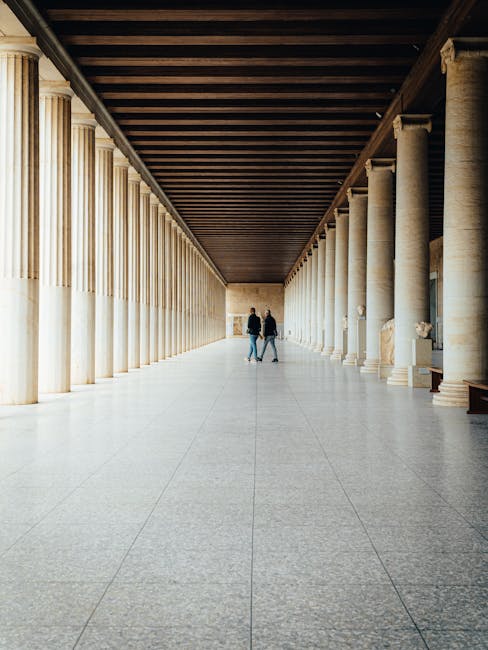 and photographic angles to help you spot the moments worth photographing. Get ready to travel through stone, coins, icons and archives, and to come away from each museum with a deeper understanding of Athens and Greece.
The 10 Must-Visit Museums in Athens
1. Acropolis Museum (Acropolis Museum)
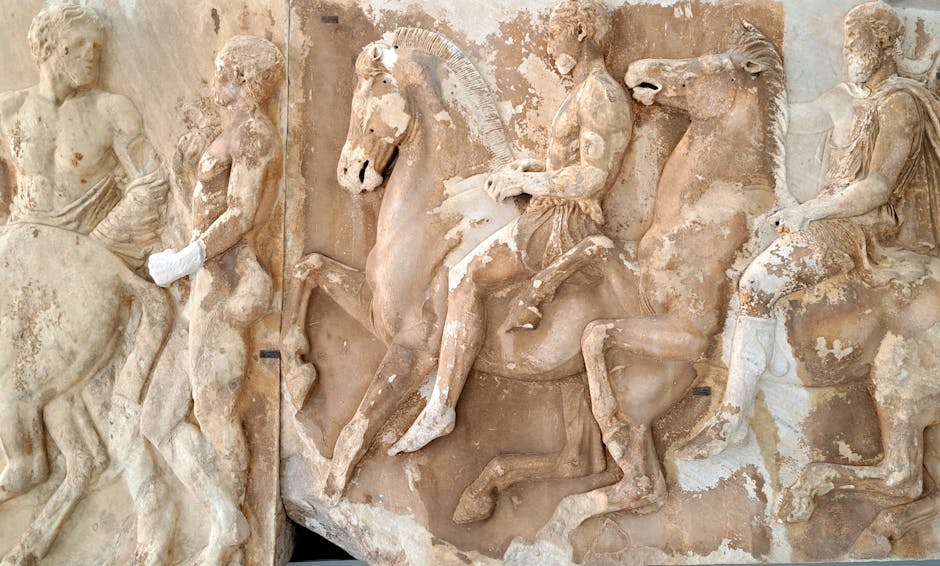
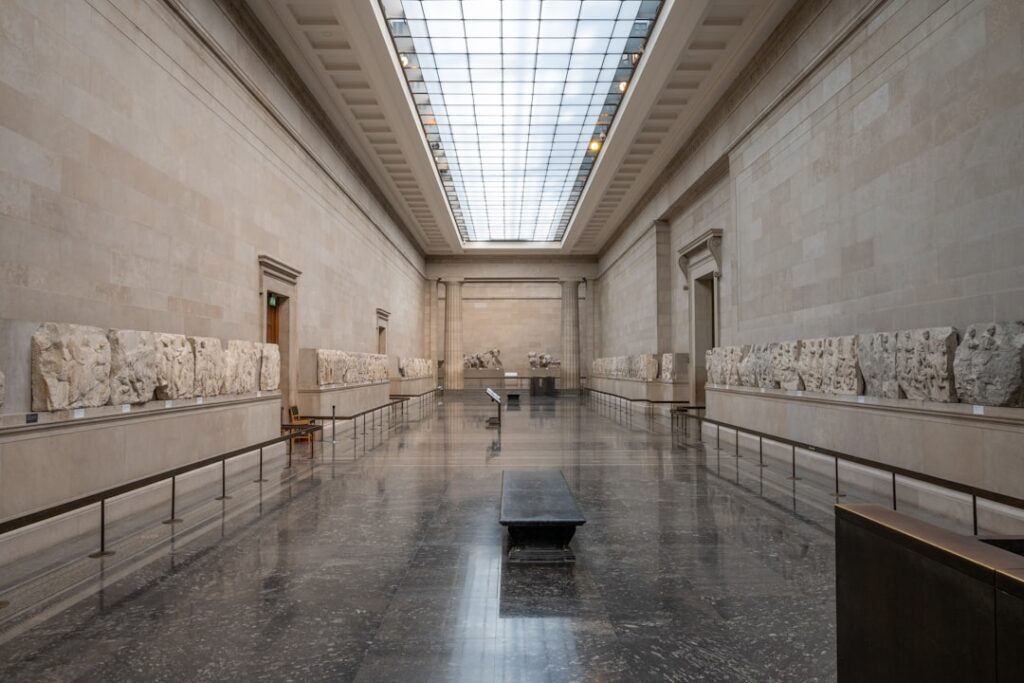
The Acropolis Museum is one of Athens’ most famous modern archaeological museums. It was designed to display objects found on the Acropolis and its slopes, offering a chronological and thematic reading of Archaic and Classical remains. The building’s contemporary glass-heavy architecture frames views of the Acropolis itself, creating a constant dialogue between the ruins outside and the objects on display. The upper galleries showcase the Caryatids and a reconstruction of parts of the Parthenon frieze, while the lower rooms house pre-Classical sculptures and everyday items.
Address: Dionysiou Areopagitou 15, 11742 Athens.
Opening hours (indicative): Open daily except January 1 and December 25. High season (April–October): 08:00–20:00; low season (November–March): 08:00–17:00. Check the official site for special hours and extended-evening openings.
Price (indicative): General admission €10–20 depending on season and temporary exhibits; reduced rates for EU students, seniors and children; combined Acropolis + museum tickets sometimes available.
Don’t miss: the Caryatid Hall, the largely reconstructed Parthenon frieze, and the display of archaic votive offerings. Practical tip: arrive early to avoid cruise-ship groups and take advantage of morning light to photograph the glass walkway. The museum has a terrace café with Acropolis views — perfect for a break after your visit. If you plan to climb the Acropolis itself, buy a combined ticket to save time and money; otherwise, purchase tickets online in advance to skip the line.
 Click here to book your guided tour of the Acropolis and museum
2. National Archaeological Museum (National Archaeological Museum)
The National Archaeological Museum of Athens (Ethniko Arheologiko Mousio) is the country’s premier institution for the material history of ancient Greece, covering prehistory through late antiquity. Its vast collection includes major sculptures, wall paintings, bronzes, jewelry and pieces comparable in importance to famous works like the Venus de Milo (which is in the Louvre). The neoclassical building itself is worth noting: it reflects the era when the young Greek nation was shaping its identity by showcasing its antiquities.
Address: 44 Patission Street (28is Oktovriou 44), 10682 Athens.
Opening hours (indicative): Open most days except certain public holidays; typically 08:00–20:00 in summer and 08:00–16:00 in winter. Check the official site for exact days and times.
Price (indicative): General admission around €10–12; reductions for EU students and seniors; free entry on certain international days.
Don’t miss: the Bronze Gallery (though the famous Riace bronzes are in Reggio Calabria, the bronze section here contains masterpieces), the Alexander mosaic, the Mycenaean collection and notable archaic bronze heads. Allow several hours for your visit — the displays are dense and it’s easy to spend the whole day wandering the halls. Practical tip: grab a map at the entrance and prioritize the collections that interest you most; there’s a good café and a well-stocked shop.
Click here to book a guided tour of the National Archaeological Museum
3. Benaki Museum – Main Collection (Benaki Museum)
The Benaki Museum, housed in an elegant neoclassical mansion, holds an extensive collection spanning Greek history from prehistory to the 20th century, including Byzantine and Islamic objects, costumes, ceramics and modern art. The main collection, located at Koumpari 1 in Kolonaki (with several annexes elsewhere), is ideal for understanding Greece’s cultural and stylistic continuity. The museum emphasizes national narratives and regional diversity: you’ll find Ottoman-era objects, textiles and everyday items that bring history to life.
Address: Benaki Museum – Main Building, Koumpari 1, Kolonaki, 10674 Athens.
Opening hours (indicative): Generally open Tuesday–Sunday, 10:00–18:00; closed Mondays. Check the hours for the museum’s annexes (Islamic Collection, Museum of Modern Greek Art, etc.).
Price (indicative): General admission €9–12; reduced rates for students and seniors; combined tickets available for multiple Benaki sites.
Don’t miss: the Byzantine icon collection, the costume and folk textile galleries, and the Islamic art rooms. The layout lends itself to themed visits — for example, devote a half-day to the Ottoman period and another to the modern/neoclassical era. Local tip: Kolonaki is full of cafés and small galleries — stop for lunch at a nearby bistro after your visit. 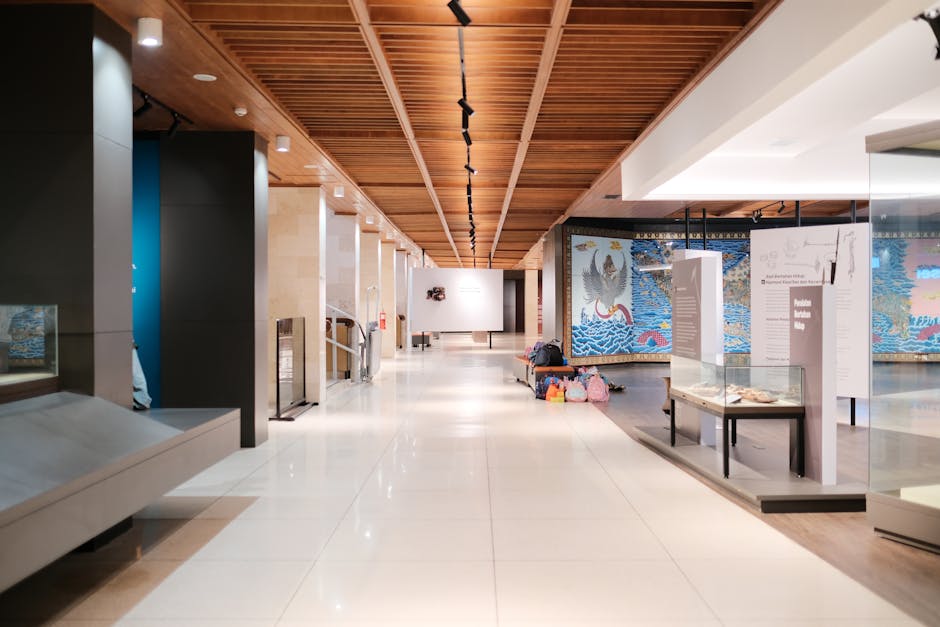
4. Museum of Cycladic Art (Museum of Cycladic Art)
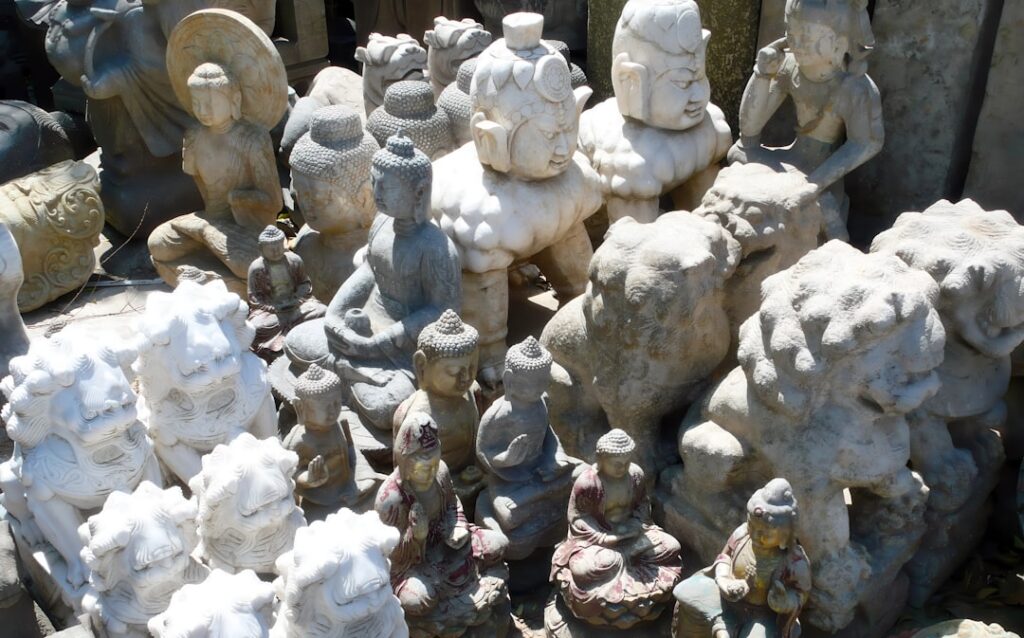
The Museum of Cycladic Art specializes in Cycladic art, known for its pared-down, abstract marble figurines. These small sculptures influenced generations of modern artists and represent one of the most striking aesthetic moments in Aegean prehistory. The museum also hosts temporary shows that often set ancient and modern works in conversation, offering a fresh perspective on formal development across the Mediterranean.
Address: 4 Neofytou Douka Street, 10674 Athens (near Kolonaki).
Opening hours (indicative): Open Tuesday–Sunday, 10:00–18:00; closed Mondays. Extended hours some evenings for special exhibitions.
Price (indicative): General admission €7–12; reduced rates for students and seniors; ticketing varies by temporary exhibition.
Don’t miss: the permanent collection of Cycladic figurines, marble objects, jewelry and Minoan/Mycenaean pottery. For photographers, the formal simplicity of the pieces lends itself to close-up shots — bring a macro lens if you can. Practical tip: pair this visit with the Acropolis Museum or a stroll through Kolonaki for a refined cultural afternoon.
Click here to discover Cycladic art and carve a marble-inspired piece
5. Byzantine and Christian Museum (Byzantine and Christian Museum)
The Byzantine and Christian Museum is Athens’ go-to place for the Byzantine era and Orthodox Christian art. Its collections include icons, mosaics, sculptures and liturgical textiles that narrate the long story of the Byzantine Empire and Orthodox spirituality in Greece. The museum offers a thematic and chronological route that helps visitors grasp the complexities of cultural continuities after antiquity.
Address: 22 Vasilissis Sofias Avenue, 10675 Athens.
Opening hours (indicative): Generally open Tuesday–Sunday, 10:00–18:00; closed Mondays. Some evenings feature guided tours or cultural events.
Price (indicative): General admission €6–10; reduced rates for students and seniors.
Don’t miss: icons dating from the 11th to the 19th centuries, mosaics and reconstructed wall paintings. The temporary exhibitions are often well-documented and worth visiting. Practical tip: the museum sits on an elegant avenue lined with neoclassical buildings and parks — after your visit, stroll to the Benaki Museum or enjoy a coffee in one of the neighborhood’s salons. 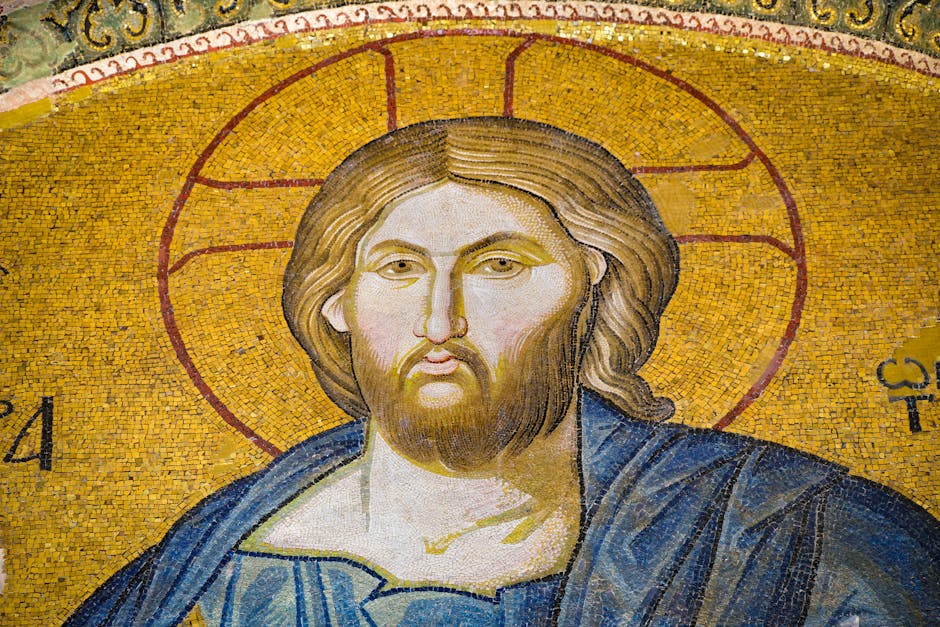
6. Numismatic Museum of Athens (Numismatic Museum of Athens)
The Numismatic Museum occupies an elegant mansion on Panepistimiou Street and displays thousands of coins, medals and tokens charting the monetary history of Greece and the wider Mediterranean. For historians, numismatics is a powerful key: each coin can reveal information about ancient economies, politics, propaganda and civic iconography.
Address: Panepistimiou 12, 10561 Athens (Paireos/Panepistimiou area).
Opening hours (indicative): Open Tuesday–Sunday, 09:00–17:00 or 09:00–18:00 depending on season; closed Mondays.
Price (indicative): General admission €4–8; student reductions available.
Don’t miss: archaic city-state coinage, Byzantine gold pieces and Hellenistic sets. The museum also offers themed presentations that help explain the symbolism of portraits and deities on coins. Tip: this visit is perfect for anyone who enjoys linking iconography, economics and political history — take time to read the labels to understand each coin’s issuance context. 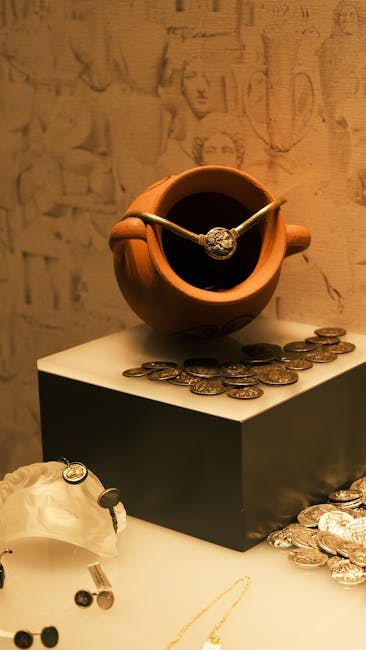
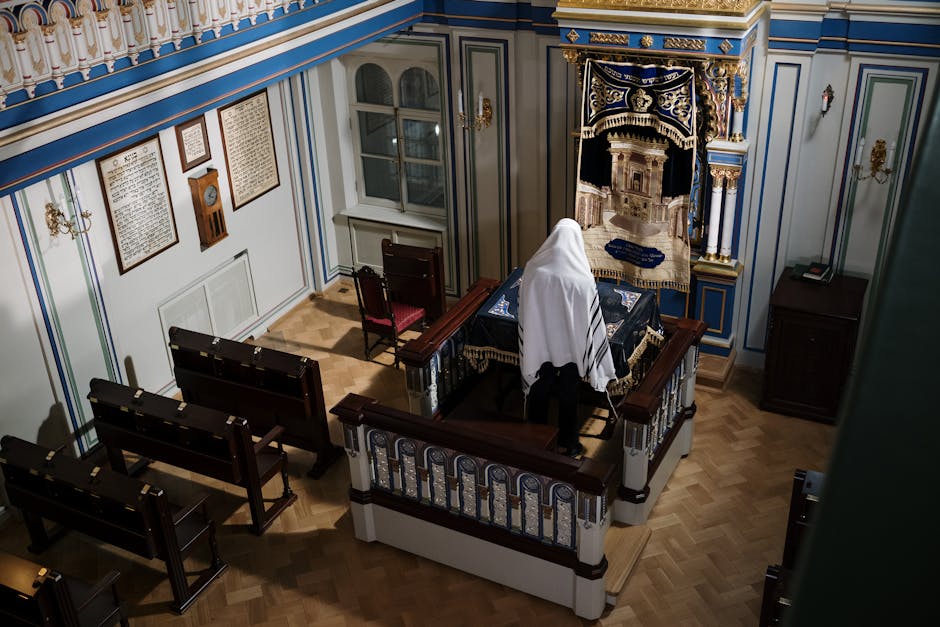
7. Jewish Museum of Greece (Jewish Museum of Greece)
The Jewish Museum of Greece traces the millennia-long history of Jewish communities in Greece, with special attention to the Sephardic community of Athens and the tragedies of the 20th century. Through photographs, documents, religious objects and personal testimonies, the museum offers an essential human and historical panorama to understand Athens’ cultural diversity.
Address: 39-41 Nikis Street, Plaka, 10557 Athens.
Opening hours (indicative): Generally open Tuesday–Sunday, 10:00–17:00; closed Mondays and certain Jewish holidays.
Price (indicative): General admission €5–8; reduced rates for students and groups.
Don’t miss: postal archives, ritual objects, family testimonies and the exhibition on the Holocaust in Greece. Practical tip: located in the tourist neighborhood of Plaka, combine this visit with a stroll through the lanes and lunch at a traditional taverna. Prefer a morning visit for a reflective experience before the area fills with visitors.
Click here to book a private tour of the Acropolis and Plaka
8. Museum of the Ancient Agora (Museum of the Ancient Agora)
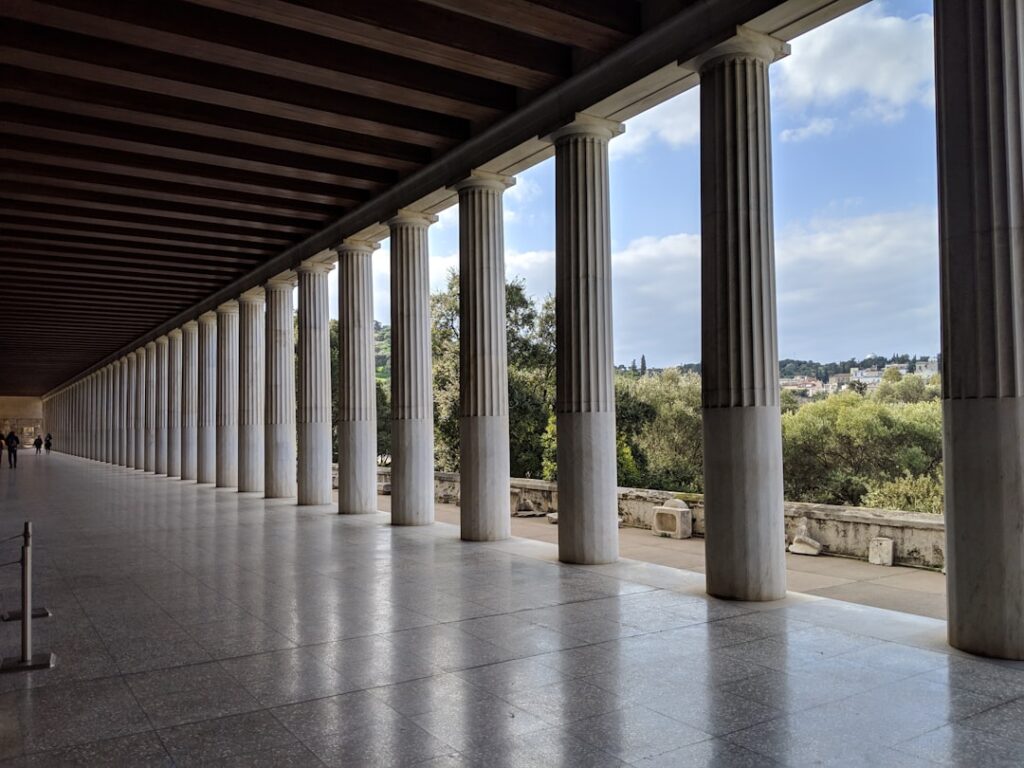
The Museum of the Ancient Agora sits on the actual site of the Agora, the political and social heart of ancient Athens. Housed in the restored rooms of the Stoa of Attalos, it displays statues, inscriptions and objects that illuminate daily life, democratic institutions and religious practices in Athens. The museum highlights finds from the site and, when you exit, you can walk on the same stones once walked by ancient Athenians.
Address: Adrianou 24, Ancient Agora, Monastiraki, 10555 Athens.
Opening hours (indicative): Open daily; hours vary by season (often 08:00–19:00 in summer, reduced in winter). The archaeological site may have different opening times.
Price (indicative): Combined admission with the Agora and other archaeological sites varies; single museum ticket around €6–8; check combined tickets (Acropolis + other sites).
Don’t miss: public inscriptions, statue bases, the altar of Ares and objects tied to political life. Practical tip: visit the museum first to get the context, then explore the archaeological site later in the day when the light softens. The museum often offers guided tours in English and Greek — ask at the entrance.
Click here to book a guided tour of the Agora with skip-the-line access
9. Hellenic War Museum (War Museum)
The Hellenic War Museum documents Greece’s military history from antiquity through modern conflicts, with collections of weapons, uniforms, medals and archival documents. It’s essential for anyone seeking to understand the military and diplomatic forces that shaped modern Greece, and the memories of the Balkan Wars, World War II and the civil war.
Address: 2 Rizari Street, 10672 Athens (near the Panathenaic Stadium).
Opening hours (indicative): Usually open Monday–Friday 09:00–16:00, and some Saturdays; check specific hours depending on exhibitions.
Price (indicative): General admission €5–8; reduced rates for students and groups.
Don’t miss: the collection of armor and uniforms, historical maps and the 20th-century galleries. Local tip: combine this visit with a walk around the Panathenaic Stadium (Kallimarmaro) and the nearby National Garden — the area is easy to reach from Syntagma and Panepistimiou stations. 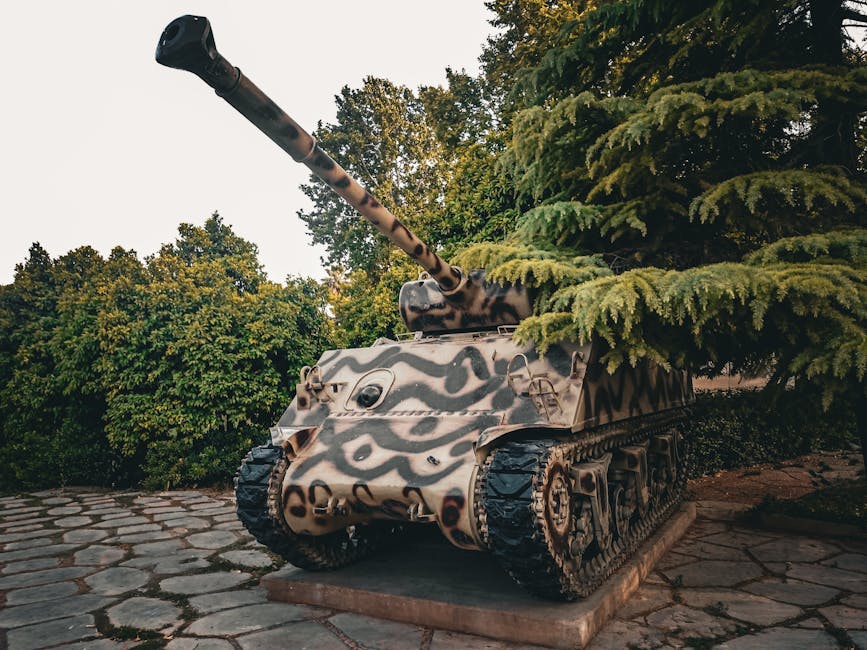
10. Museum of the City of Athens – Vouros‑Eutaxias Museum (Museum of the City of Athens)
The Museum of the City of Athens (Vouros-Eutaxias Museum) offers a deep dive into the city’s urban history from the Ottoman era to modernity: maps, photographs, everyday objects and municipal archives that tell the story of Athens’ transformation into a modern capital in the 19th and 20th centuries. For enthusiasts of urban history, the museum reveals how policies, architecture and migration shaped the city you walk through today.
Address: Kydathineon 13, Plaka, 10558 Athens (or at various branches/annexes; check the address of temporary exhibitions).
Opening hours (indicative): Open Tuesday–Sunday, 10:00–17:00; closed Mondays.
Price (indicative): General admission €3–6; reduced rates for students and groups.
Don’t miss: historic plans of Athens, street and façade photographs, and exhibitions on neoclassical architecture and urban development. Practical tip: this museum is perfect to complement archaeological visits — it places objects and monuments within an urban and social timeline. After the visit, stroll through Plaka to feel the historical layers described in the galleries. 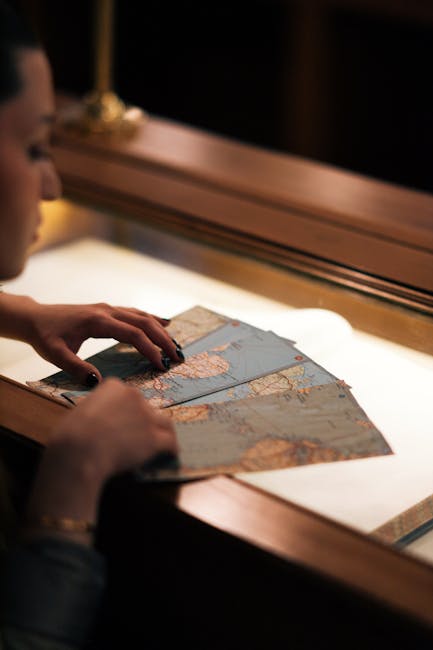
Conclusion
Athens offers an outstanding museum itinerary for any history enthusiast: from world-famous archaeological collections to specialized institutions that explore specific facets of Greek and Mediterranean memory. Visiting these ten museums gives you a multi-layered reading of the past — archaeology, numismatics, urban history, religious traditions, Jewish memory, military history and more. Each museum brings a different approach: some emphasize monumental sculpture, others everyday objects, coins or archives, but all contribute to a fuller understanding of Athens.
To organize your visits efficiently: plan around opening hours and closed days (many museums close on Mondays), buy tickets online when possible to avoid queues, and favor mornings or late afternoons off-season to dodge peak times. Consider combined tickets for archaeological sites (Acropolis, Agora, etc.) and check discounts for students, seniors and families. On the ground, use public transport — metro, buses and tram —: Syntagma, Monastiraki and Acropoli stations serve most of the museums listed.
Finally, leave time for moments outside museums: get lost in Plaka’s lanes, enjoy a coffee in Kolonaki, or watch the Acropolis at sunset — these experiences complete the historical visit. Athens’ museums do more than display objects: they tell stories of lives, exchanges and transformations. When you leave, you’ll not only have seen masterpieces, you’ll also have understood the successive layers that shaped the identity of one of Europe’s oldest capitals. Enjoy your cultural journey in Athens, and may each museum give you a new key to read the city and its history.