


INTRODUCTION
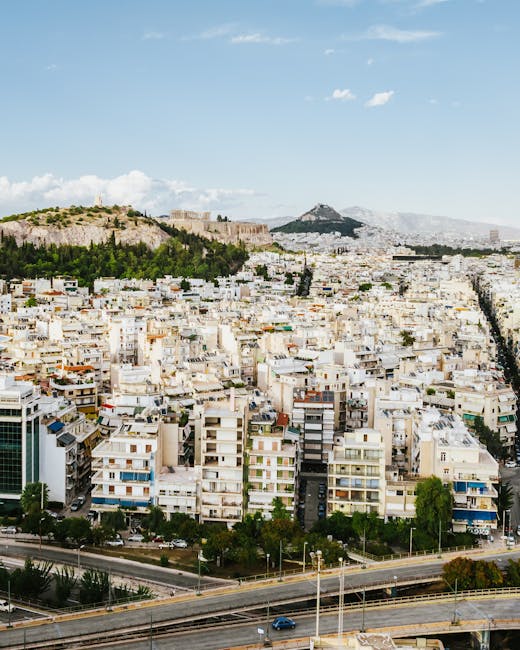
Athens is a city where history hangs in the air, and the Acropolis is its beating heart. For travelers who want to go beyond the columns and the panoramic views, the museums surrounding the Acropolis offer an essential deep dive into antiquity, daily life, art and archaeology. This quick guide focuses on the must-see museums within immediate reach of the Acropolis: from classic collections to lesser-known treasures, and modern exhibition spaces that present archaeological finds in contemporary settings.
Visiting these museums complements a trip up to the Acropolis itself: here you’ll find restored fragments of the Parthenon, tools from everyday Athenian life, archaic and classical sculptures, and votive and funerary objects that tell human stories. The museum approach in Athens balances respect for the objects with clear, user-friendly interpretation — multilingual panels, scale models, 3D reconstructions, and often direct sightlines to the ruins thanks to strategic museum layouts. In these rooms, even a broken stele can become a vivid narrative.
This guide gives practical details: exact addresses, prices in euros, opening hours, immersive descriptions and local tips to make the most of your visit (when to buy tickets, which days to avoid, how to combine visits with walks). The museums listed are all within about a 25-minute walk from the Acropolis. Whether you have an hour or half a day, you’ll know which spots to prioritize based on your interests: sculptures and friezes, funerary furniture, Cycladic minimalism, or Agora reconstructions.
Before you go, note that Athenian museums often adjust opening hours with the seasons and for cultural events. Prices can vary (reduced rates for students and seniors, some free days). I’ve included the most up-to-date and reliable info available, but I always recommend checking official sites or buying tickets online to save time. This guide is peppered with visual cues and evocative images to help you picture the rooms, views and highlight pieces before you arrive.
Musée de l’Acropole (Acropolis Museum)
Address: Dionysiou Areopagitou 15, Athens 11742.
Opening hours: generally Tuesday–Sunday 09:00–20:00 in high season (April–October) and 09:00–17:00 in low season (November–March). Closed on Mondays (check for special holiday hours).
Price: standard adult ticket €10 (indicative), reduced €5 (EU students, seniors), free admission on some days (first Sunday of the month in low season and other national days; check exact dates). Combined Acropolis + museum tickets are often available separately.
Immersive description: located at the foot of the Acropolis, the Acropolis Museum is designed to speak directly to the sacred hill. The large Parthenon gallery displays the frieze, metopes and caryatids in carefully controlled light, placing sculptures on modern plinths that allow 360° reading. Display cases hold votive offerings, inscriptions and statues of Athenians, bringing ceremonies and religious life in classical Athens to life. Glass walls provide targeted views of the Acropolis, creating a visual continuity between the artifacts and their original setting.
Practical tips: arrive early (or late afternoon) to avoid crowds; online ticketing lets you enter at a set time. Allow at least 1.5–2 hours for a serious visit; more if you want to see temporary exhibitions and enjoy the museum café-terrace with its Acropolis view. Audio guides in multiple languages are available and very helpful for thematic routes. The museum has a cloakroom and a well-stocked shop selling catalogs and replicas.
 Click here to visit the Acropolis Museum with an expert guide
[[IMAGE:Interior of the Acropolis Museum showing Parthenon frieze]]
Practical tips: arrive early (or late afternoon) to avoid crowds; online ticketing lets you enter at a set time. Allow at least 1.5–2 hours for a serious visit; more if you want to see temporary exhibitions and enjoy the museum café-terrace with its Acropolis view. Audio guides in multiple languages are available and very helpful for thematic routes. The museum has a cloakroom and a well-stocked shop selling catalogs and replicas.
Musée de l’Agora Antique (Stoa d’Attale / Museum of the Ancient Agora)
Address: Adrianou 24, Athens 10555 (entrance near the Roman Agora).
Opening hours: generally 08:00–19:00 in high season (hours vary by period), often reduced in low season. Closed on some public holidays; check before you go.
Price: standard adult ticket €8 (indicative), reduced €4 (EU students / seniors).
Immersive description: housed in the reconstructed Stoa of Attalos, the Museum of the Ancient Agora displays sculptures, inscriptions and objects unearthed on the Agora site — the civic and commercial heart of ancient Athens. Walking through the galleries you’ll find statue bases, portraits of magistrates, funerary stelae and oil lamps that illustrate the range of social and political life. The showcases are arranged to evoke Agora life: philosophical debates, craftsmen at work, and everyday rituals.
Click here to explore the Ancient Agora with guided tour and entrance
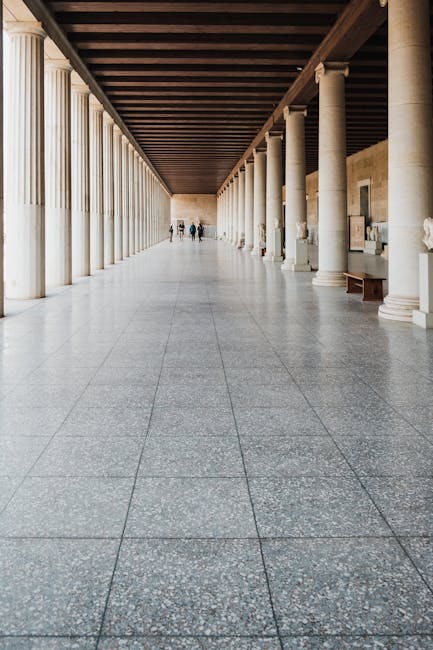
Highlights: the inscriptions room is a treasure for epigraphy fans — you can read laws, lists of citizens and decrees that structured the city. The closeness of the archaeological site means you can alternate indoor visits with a stroll among the ruins: the Agora’s open area, with its columns and foundations, is accessible with the same ticket or a combined ticket depending on the season.
Practical tips: pair this visit with the Roman Agora Museum and the Areopagus hill on the same morning for a themed itinerary. Wear comfortable shoes: outdoor areas feature gravel paths and uneven stones. If political history fascinates you, focus on the explanatory panels about ancient institutions — they’re often less crowded than major city-center galleries.
Roman Agora et Tour des Vents (Roman Agora & Tower of the Winds)
Address: Adrianou & Polignotou, Athens 10555 (Roman Agora area, access from Adrianou Street).
Opening hours: often 08:00–19:00 in high season, reduced hours in winter. Site and small structures may open or close depending on ongoing excavations and conservation work.
Price: access to the site / small museum and remains €6 (indicative), possible combination with the Agora Museum.
Immersive description: the Roman Agora, built under the Roman Empire, illustrates Athens’ layers of history. At its center stands the Tower of the Winds (Horologion of Andronikos), an octagonal marble structure that served as a sundial, water clock and wind gauge. Inside and out you’ll find inscriptions and other architectural fragments that tell of the Roman adaptation of the Greek city, trade and cultural exchange.
Click here to discover Athens’ philosophy and democracy on foot
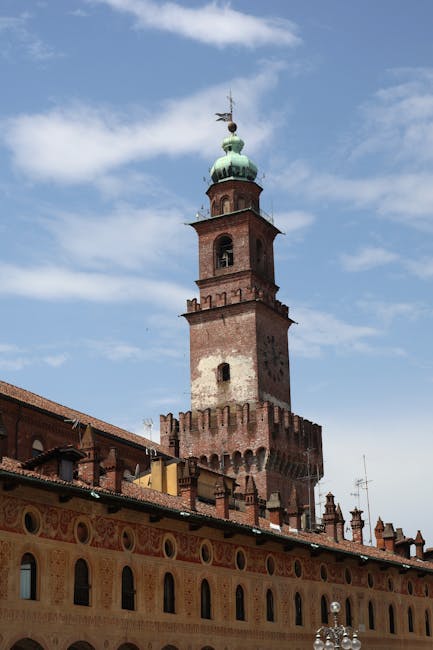
Atmosphere: the Roman Agora feels more intimate than the Acropolis, with scattered columns, altars and remains of market stalls. It’s easy to imagine the bustle of sellers, display cases of wares and daily debates. The Tower of the Winds is especially photogenic at sunrise or sunset when the stones warm to amber tones.
Practical tips: combine the site with a coffee break in the winding streets of Monastiraki right next door. Bring a hat and water in summer — shade is limited. If ancient engineering interests you, take time to read the panels explaining the tower’s hydraulic mechanism.
Musée des Cyclades (Museum of Cycladic Art)
Address: Neofytou Douka 4, Athens 10674 (Kolonaki / Pagrati area depending on the entrance).
Opening hours: generally 10:00–18:00 (closed Mondays, times can vary for temporary exhibitions); extended hours some Thursdays. Check the online calendar before you visit.
Price: standard adult ticket €7.50, reduced €4–€5 (depending on conditions).
Immersive description: the Museum of Cycladic Art houses an outstanding collection of marble and terracotta objects from the Cycladic islands — streamlined, anthropomorphic figurines, jewelry and ceramics that inspired modern artists. The sparse vitrines and minimalist lighting encourage contemplative viewing, where each graceful silhouette has striking presence. The iconic small white marble female figures reveal an abstract, archaic aesthetic that resonates across centuries.
Click here to discover Cycladic art and sculpt your own marble-inspired piece
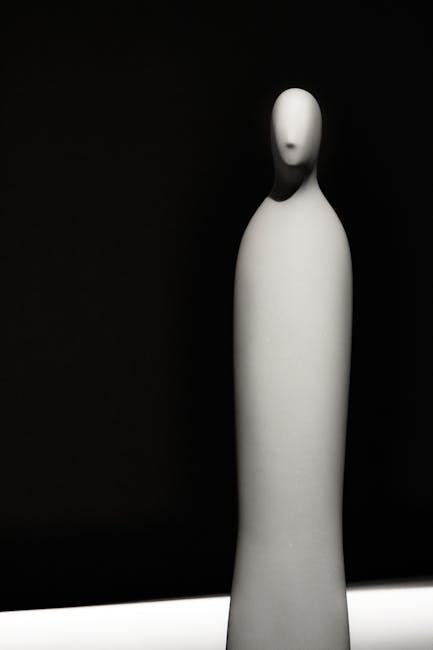
Perks: beyond the permanent galleries, the museum hosts temporary exhibitions exploring links between ancient art and modern artists (Picasso, Modigliani and others were inspired by these forms). The small auditorium and museum shop offer rare catalogs and editions on Cycladic art.
Practical tips: the museum is a 15–25 minute walk from the Acropolis depending on your pace and route (the Kolonaki climb is steep if you’re coming up from the Acropolis). Enjoy the chic cafés in the neighborhood after your visit. Families will appreciate occasional educational trails and workshops — ask at the reception.
CONCLUSION
Around the Acropolis, museums are a toolbox for understanding not just the monuments but the lives, religion, economy and crafts of the people who inhabited Athens. Starting at the Acropolis Museum makes sense: it restores the Parthenon and its friezes to context and gives a strong visual introduction. Moving on to the Stoa of Attalos / Agora Museum helps you grasp civic life: laws, inscriptions and portraits of citizens. The Roman Agora and the Tower of the Winds remind you of the city’s layered history, while the Museum of Cycladic Art widens the view to the islands and forms that influenced modern art.
Suggested routes: if you have half a day, combine the Acropolis Museum + Stoa of Attalos + a walk through the Agora and the Roman Agora. For a full day, add the Museum of Cycladic Art and finish in Plaka or Kolonaki to eat and digest your discoveries. Buy tickets online when possible, arrive early to enjoy the highlights without the crowds and check reductions (students, seniors, cultural cards). Also plan alternatives for heatwaves — air-conditioned museums are cool havens.
Click here to explore the Acropolis and the Plaka neighborhood privately
Finally, remember that the objects you’ll see in these museums came from real lives: offerings, marks of belonging, artistic gestures. Athenian museums aren’t just showcases of antiquities; they’re places that tell human stories of conflict, belief and innovation. By combining site visits and museums, you’ll leave with a richer, more nuanced understanding of Athens well beyond the iconic images. Safe travels and enjoy uncovering the treasures at the foot of the Acropolis.