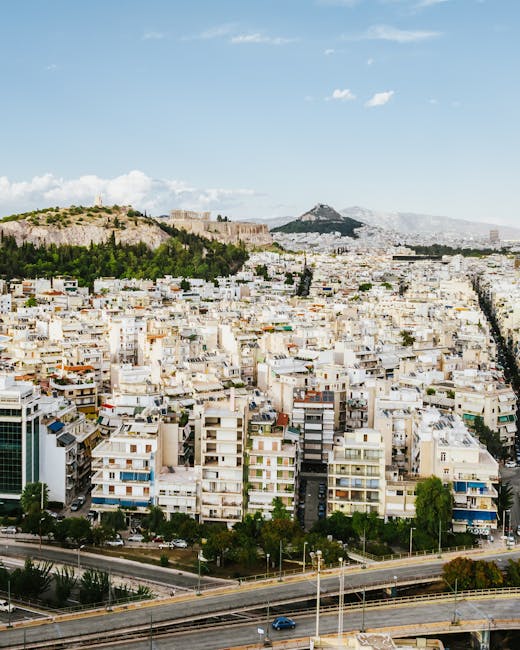



Introduction: Why Explore Athens’ Modern Museums
Athens isn’t just a city of antiquities — it’s a lively, ever-evolving hub where contemporary art debates, resonates and shines. Over the past twenty-five years new spaces have opened that reinterpret Greek and international modernity: converted national museums, bold private centers, international foundations and major galleries. For the curious traveler, visiting these places gives you a fuller picture of a metropolis in transition — its political, social and cultural conversations, and the aesthetic concerns of new generations of Greek and international artists.
This guide will lead you off the well-worn archaeological track and straight into the present and future of creative practice. We’ll not only list the major institutions with exact addresses, but also provide entrance fees in euros, up-to-date opening hours, immersive descriptions of permanent collections and temporary shows, plus practical tips to make the most of your visit: best time slots, accessibility, transport and nearby cafés for post-visit reflection.
Athens offers a particular mix: rehabilitated industrial buildings — relics of 20th-century industry — sit beside minimalist contemporary architecture. That juxtaposition creates museums where the visitor’s experience is as much spatial as intellectual: light, materials and volume interact with the artworks. Expect immersive installations, experimental video, monumental sculpture and multidisciplinary research projects. Many institutions also run educational programs, screenings and evening performances — great ways to extend a visit beyond static exhibitions.
Finally, this guide focuses on practical use: how to buy tickets, which shows to prioritize depending on your interests (video, installation, painting, photography), and how to combine cultural visits with urban strolls. Whether you’re staying in Athens for a while or just stopping by for a day, the city’s modern museums map out a rich, stimulating portrait of contemporary art that reflects a society in flux. Get ready to discover a bubbling creative scene, meet passionate curators and leave with a fresh image of Athens.
<img width="940" height="613" src="https://ue.is/wp-content/uploads/sites/58/2026/06/emst-museum-exterior.jpg » class= »aligncenter » alt= » » loading= »lazy » />
1. National Museum of Contemporary Art (EMST) — The Flagship of Greek Contemporary Art
Full name: National Museum of Contemporary Art – EMST (Εθνικό Μουσείο Σύγχρονης Τέχνης)
Address: 44-46 Kallirrois Avenue (the former FIX brewery building), 116 35 Athens, Greece.
Opening hours: Tuesday to Sunday 10:00–18:00; closed Mondays. Extended late openings some Thursdays until 21:00 for special events (check the online schedule).
Entrance fee: General admission €8.00 (reduced €4.00 — students and seniors; occasional free entry the first Sunday of the month depending on season). Temporary exhibition fees: €5.00–€12.00 depending on the show.
EMST is the national reference for contemporary creation. Housed in the industrial shell of the former FIX brewery, the museum has transformed its spaces into a highly adaptable platform: large halls for sculpture and installations, black-box rooms for video, and research spaces for archives and curatorial practice. The permanent collection sets Greek and international artists in dialogue from the 1960s to today, with an emphasis on critical thought, memory and politics. You’ll encounter full-floor sound installations, relational artworks involving the public, and documentary photography series on urban transformations.
Practical tips: arrive early to avoid crowds and enjoy softer light in the galleries. Take time to check resident projects and scheduled performances: EMST regularly programmes performative interventions and screenings. The museum has a friendly café and a well-curated shop — great for exhibition catalogues and limited editions. Access is convenient by bus and tram from the center; nearest metro: Syngrou-Fix (line 2) — expect a 10–15 minute walk depending on your starting point.
2. Benaki Museum — Pireos 138: An Experimental Platform for Contemporary Art
Full name: Benaki Museum — Pireos 138 (Μουσείο Μπενάκη, Πειραιώς 138)
Address: 138 Pireos Street, Kerameikos, 118 54 Athens, Greece.
Opening hours: Tuesday to Sunday 10:00–18:00; closures vary on Mondays and public holidays. Check the official site before visiting.
Entrance fee: General admission for museum + temporary shows €8.00; reduced €4.00; combi-pass for multiple Benaki sites varies (often €12.00–€15.00).
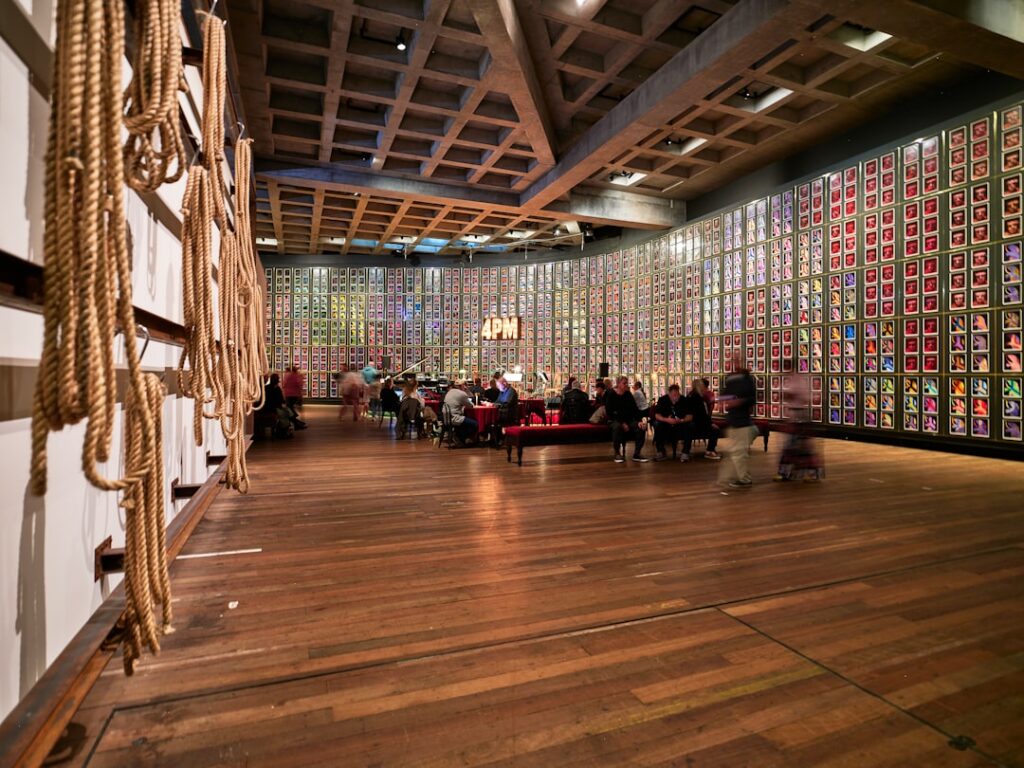
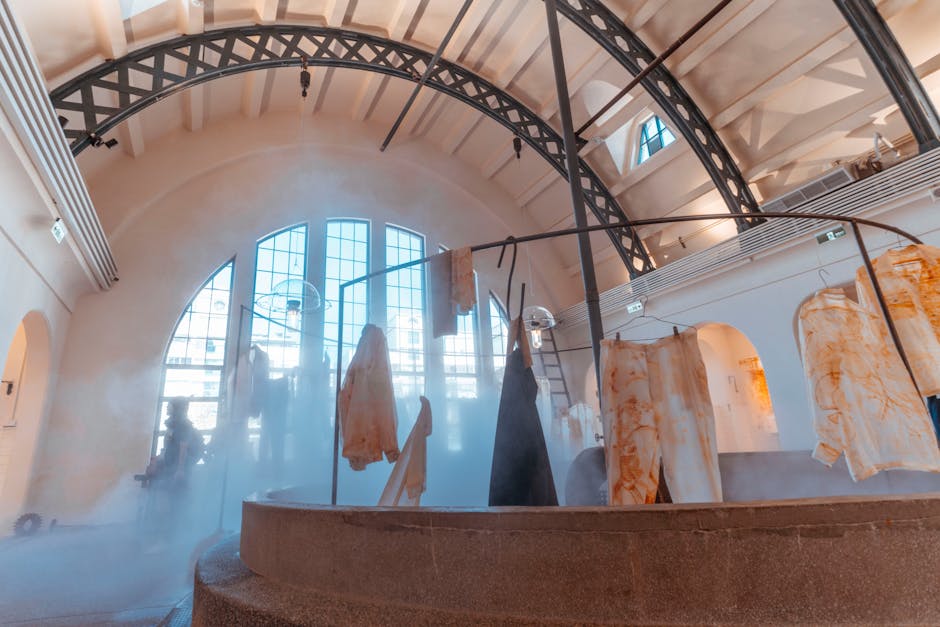
The Benaki Museum, a long-established institution, has expanded across multiple sites and its Pireos 138 branch has recently become the museum’s laboratory for contemporary art, design and experimental exhibitions. Set in a reimagined industrial complex, Pireos 138 hosts thematic shows, solo exhibitions of emerging artists and interdisciplinary programmes blending art, music and new technologies. The rooms retain raw elements of the factory — steel beams, brick walls — creating an industrial backdrop suited to large-scale works and immersive installations.
What to expect: exhibitions change frequently (every 3–6 months), ranging from video installations to curated projects focused on the contemporary Mediterranean. The venue prioritises mediation: talks, workshops and guided tours in English or Greek are regularly on offer. It’s an ideal place to grasp current dialogues between regional traditions and global artistic practice.
Local tips: combine a visit to Pireos 138 with the Kerameikos neighbourhood — graffiti-lined streets, small cafés and an ancient cemetery that sees few tourists. If there’s a sound installation in a basement, don’t skip it: the resonance of the space intensifies the experience. Tram line T3 and buses serve Pireos Street; several metro stations are within walking distance depending on your route.
3. Onassis Stegi — Cultural Center and Contemporary Visual Arts Lab
Full name: Onassis Stegi (Onassis Cultural Center) — Foundation for Culture Onassis
Address: 107-109 Syngrou Avenue, Neos Kosmos, 117 45 Athens, Greece.
Opening hours: Variable depending on programming — exhibitions generally open Tuesday to Sunday 11:00–19:00; evening events and performances some Thursdays/Fridays until 22:00. Check the calendar for ticket office hours.
Entrance fee: Temporary exhibitions €6.00–€12.00 depending on the programme; reduced rates for students and seniors (often €3.00–€6.00). Separate pricing for shows and performances (from €10.00).
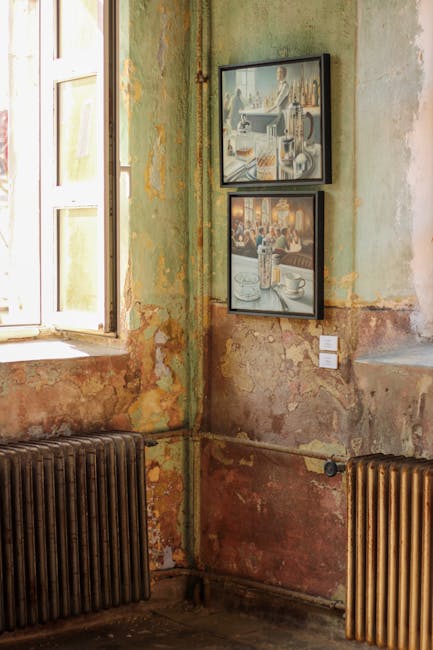
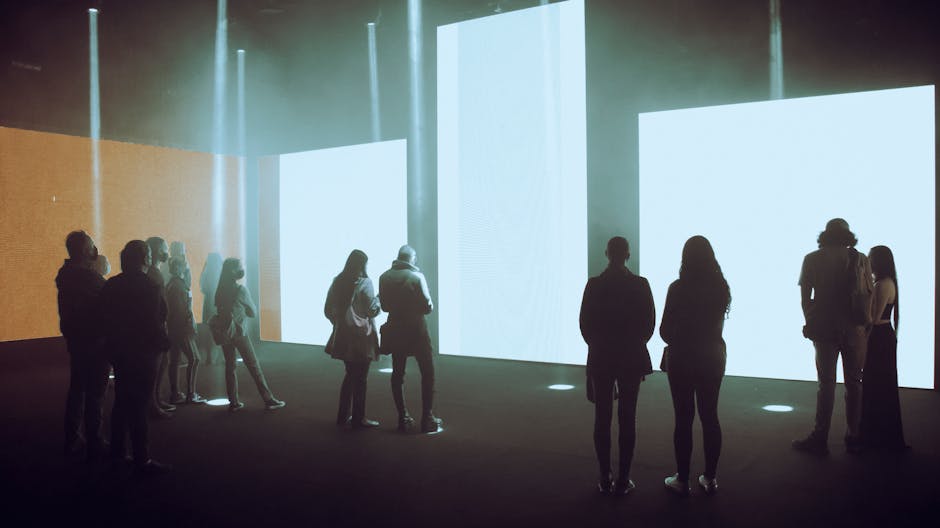
Onassis Stegi is less a traditional museum and more a cultural lab focused on transdisciplinary contemporary creation: visual arts, experimental theatre, contemporary dance, electronic music and digital projects. The building houses several modular exhibition spaces, a small auditorium, a café-stage and research labs. Exhibitions are often conceived as total experiences — large-scale projections, sound pieces and immersive installations that invite public participation.
Immersive description: stepping into Onassis feels like entering a space designed for performance and crossover. Shows often use in-situ formats and multiple narratives, prompting visitors to move, pause and even backtrack. Expect visual mappings, artist film screenings and interactive installations where the artwork becomes a platform for exchange.
Practical tips: book performances and screenings on the website to secure a spot, especially in high season. The centre’s café is a good place for post-visit conversations; the Neos Kosmos area is well connected by metro (Syngrou-Fix or Neos Kosmos stations depending on the entrance) and by bus. If you’re interested in the contemporary performance scene, check the artists-in-residence schedule — many performances are free or low-cost.
 Click here to attend an ancient Greek theatrical performance
4. Museum of Cycladic Art & Neighbouring Spaces — Conversations Between Ancient and Contemporary
Full name: Museum of Cycladic Art (Μουσείο Κυκλαδικής Τέχνης)
Address: 4 Neofytou Douka Street, Kolonaki, 106 74 Athens, Greece.
Opening hours: Tuesday to Sunday 10:00–18:00; late opening on Thursdays until 22:00 (seasonal and programme dependent).
Entrance fee: Permanent collection €9.00 (reduced €4.50); temporary exhibitions often €6.00–€12.00 depending on the curatorship; family combos available.
Although best known for its Cycladic ancient art, the Museum of Cycladic Art is also very active on the contemporary scene: artist residencies, temporary shows that put Cycladic simplicity and form into conversation with modern creation, and international collaborations. Architecturally the museum offers pristine white spaces that highlight both ancient marble works and contemporary installations in natural light. Contemporary exhibitions here often explore themes like identity, the Aegean and formal continuity.
Immersive route: a contemporary show might juxtapose minimalist sculpture, contemplative video and sound pieces inspired by the sea and island landscape. Frequent educational workshops open these dialogues to families, and artist talks unpack creative processes.
Local tips: Kolonaki is an elegant neighbourhood, perfect for continuing your visit with a café terrace. Combine this visit with the nearby National Gallery if you’re interested in modern painting. Plan for a Thursday evening visit for a quieter experience and occasional special events organised by the museum.
Click here to discover Cycladic art and carve a marble piece
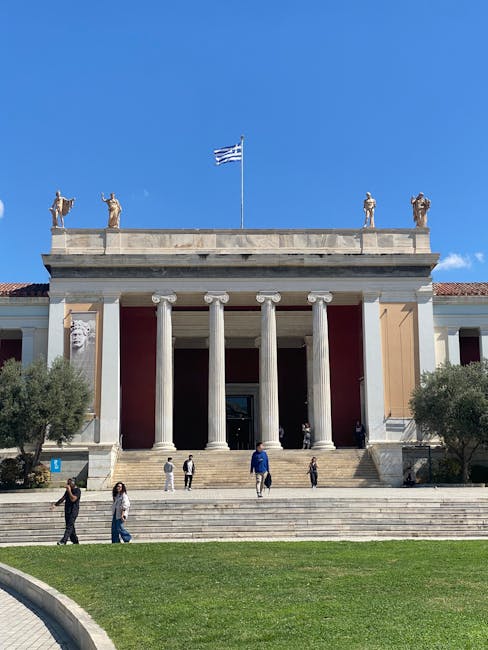
5. Alternative Spaces and Galleries to Watch: Small Venues, Big Projects
Athens is teeming with small curatorial spaces, independent galleries and foundations that play a crucial role in the contemporary art ecosystem. Keep an eye on private foundations, established contemporary art galleries and self-managed art centres that programme short but punchy exhibitions. These places are often the testing ground where young talent emerges and new practices take shape.
Examples and types: you’ll find galleries focused on contemporary photography, spaces dedicated to performance, and studio-galleries converted to host in-situ installations. Opening hours vary (often Wednesday to Saturday, 12:00–20:00), entry is frequently free or symbolic (€2.00–€5.00) and programming leans heavily on openings — the week of an opening is often the best time to meet artists and curators.
Practical tips: follow local cultural social feeds (events pages, foundation newsletters) to spot openings and performances. The neighbourhoods of Metaxourgeio, Kerameikos and Gazi host many of these alternative spaces: wandering those streets you’ll frequently stumble upon pop-up shows, screenings and courtyard installations. Always ask permission before photographing or interviewing — teams are usually warm and welcoming to direct contact.
Logistics tips: cluster your visits — half a day in Metaxourgeio can get you into two or three galleries, an industrial café and sometimes an artist pop-up. If you’re a collector or an art student, don’t hesitate to request viewings of works not on display. And wear comfortable shoes: many venues are in former workshops with uneven floors and frequent drafts.
Click here to join a mosaic workshop in Gazi
Conclusion: Planning Your Route and Final Tips
Exploring Athens’ modern museums requires as much organisation as openness. The major institutions — EMST, Benaki Pireos 138, Onassis Stegi and the Museum of Cycladic Art — form a foundation around which a constellation of galleries and alternative spaces orbit. To get the most from your stay, mix major institutions with spontaneous discoveries: see a monographic show in the morning, grab lunch in a neighbourhood café, then let yourself be surprised in the afternoon by a small experimental space. That hybrid approach gives a fuller picture of an art scene that’s as diverse as it is dynamic.
Ticketing and planning: always double-check hours and prices on official sites right before you go — temporary shows and special events sometimes change opening times and fees. For EMST and Onassis Stegi, book paid events in advance. For independent galleries, take advantage of openings (often free) to talk to artists and curators and learn about upcoming programming.
Transport and accessibility: most museums listed are reachable by metro, tram or bus; budget around €2–4 for a single transport ticket and use Syngrou-Fix, Syntagma and Monastiraki as waypoint references depending on your route. Many venues are partially accessible for visitors with reduced mobility, but some ateliers in old industrial sites may have limited access — call ahead when in doubt.
Final local tips: favour early-morning visits for popular places, and Thursday evenings for late programming. Bring a notebook to jot down names of emerging artists and curatorial references — Athens is full of small publishers and fanzines where gems hide. And leave time after each visit to wander the neighbourhood: often the best finds appear outside museums — a pop-up gallery in a lane, an artist’s open studio or a café hosting readings and performances.
In short, Athens’ modern museums offer a rich, complementary panorama: from large national museums to interdisciplinary cultural centres and independent galleries and labs. They form a lively, unpredictable scene deeply embedded in Greek social context. Whether you love powerful installations, experimental video or engaged photography, Athens promises memorable experiences — if you keep your eyes open and take the time to talk with the people who bring these places to life.
Click here to visit the Acropolis, the Parthenon and the Museum